 Back
BackImmunology: Innate and Adaptive Immune Responses, Disorders, and Viral Infections
Study Guide - Smart Notes
 Tailored notes based on your materials, expanded with key definitions, examples, and context.
Immunology: Innate and Adaptive Immunity
Overview of the Immune System
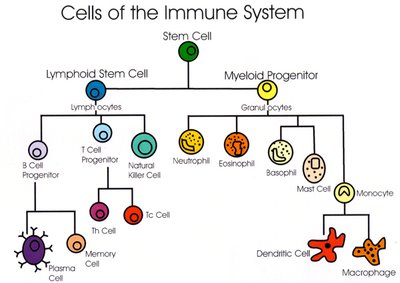
The immune system protects the body from pathogens through a complex network of cells, tissues, and molecules. It is divided into innate (non-specific) and adaptive (specific) immunity, each with distinct mechanisms and cellular components.
Innate Immunity: Provides immediate, non-specific defense against pathogens.
Adaptive Immunity: Provides a targeted response to specific antigens and develops memory for faster future responses.
Innate (Non-Specific) Defense Mechanisms
Physical and Cellular Barriers
Innate immunity includes physical barriers and cellular responses that act as the first line of defense against infection.
Physical Barriers: Skin, mucous membranes, and secretions prevent pathogen entry.
Phagocytic Cells: Macrophages and neutrophils engulf and destroy pathogens.
Interferons: Proteins released by virus-infected cells to inhibit viral replication in neighboring cells.
Inflammatory Response
The inflammatory response is a hallmark of innate immunity, mobilizing immune cells to sites of infection or injury.
Damaged tissues release chemical signals (e.g., histamines) that increase blood flow and attract immune cells.
Phagocytes migrate to the site, engulf pathogens, and release cytokines to amplify the response.
Lymphatic System
The lymphatic system transports lymph, filters pathogens, and houses immune cells such as lymphocytes.
Lymph nodes filter lymph and provide sites for immune cell activation.
Lymphatic vessels return fluid to the bloodstream and facilitate immune surveillance.
Adaptive (Specific) Immunity
Key Features and Components
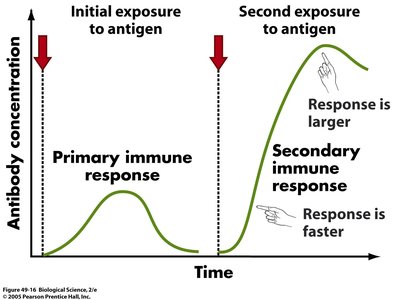
Adaptive immunity is characterized by specificity for antigens and the ability to remember previous encounters, resulting in a stronger secondary response.
Antigens: Foreign molecules that elicit an immune response.
Antibodies: Proteins produced by B cells that specifically bind antigens.
Lymphocytes: B cells (humoral immunity) and T cells (cell-mediated immunity).
Active and Passive Immunity
Active Immunity: Acquired through exposure to antigens (infection or vaccination); leads to memory cell formation.
Passive Immunity: Acquired by receiving antibodies from another source (e.g., maternal antibodies, antibody therapy); does not generate memory cells.
Clonal Selection and Immune Memory
Primary and Secondary Immune Responses
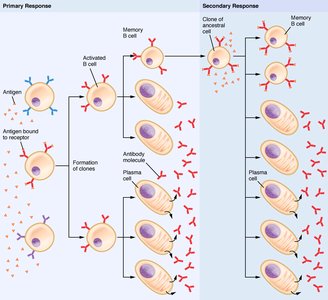
Clonal selection is the process by which specific lymphocytes are activated and proliferate in response to an antigen. This underlies the development of immunological memory.
Primary Response: First exposure to an antigen activates specific B cells, leading to antibody production and memory cell formation.
Secondary Response: Subsequent exposure rapidly activates memory cells, resulting in a faster and stronger antibody response.
Humoral and Cell-Mediated Immunity
Humoral Immunity
Humoral immunity involves B cells and the production of antibodies that neutralize pathogens in body fluids.
B cells recognize antigens, become activated, and differentiate into plasma cells that secrete antibodies.
Memory B cells persist for rapid response upon re-exposure to the antigen.
Cell-Mediated Immunity
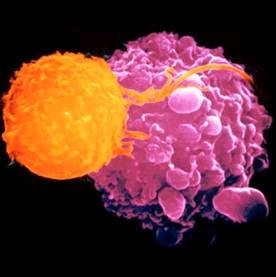
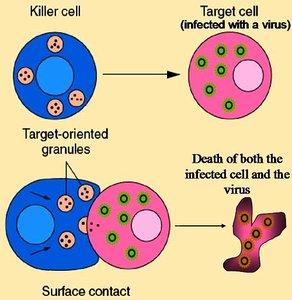
Cell-mediated immunity is mediated by T cells, which target infected or abnormal cells.
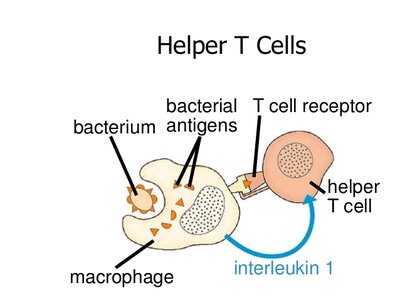
Helper T Cells (Th cells): Activate other immune cells by releasing cytokines and stimulating both humoral and cell-mediated responses.
Cytotoxic T Cells (Tc cells): Destroy infected or cancerous cells by releasing perforin and enzymes that induce apoptosis.
Antibody Function and Antigen Elimination
Mechanisms of Antibody Action
Antibodies facilitate the elimination of antigens through several mechanisms:
Neutralization: Antibodies bind to pathogens or toxins, blocking their activity.
Opsonization: Antibodies coat pathogens, enhancing phagocytosis by immune cells.
Complement Activation: Antibody binding triggers the complement cascade, leading to pathogen lysis.
Immune Disorders
Autoimmune Diseases
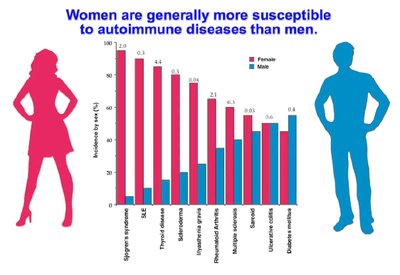
Autoimmune diseases occur when the immune system attacks the body's own tissues, mistaking self-antigens as foreign.
B cells produce antibodies against self-molecules, causing inflammation and tissue damage.
Examples: Systemic lupus erythematosus (Lupus), Multiple sclerosis (MS), Rheumatoid arthritis.
Allergies
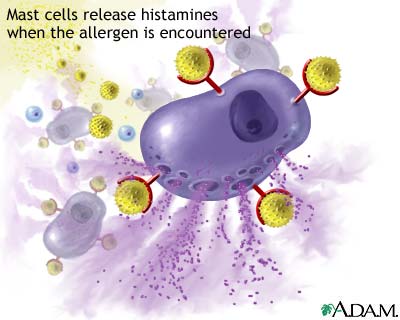
Allergies are hypersensitivity reactions to harmless environmental antigens (allergens).
Initial exposure sensitizes B cells, leading to antibody production (often IgE).
Subsequent exposures cause mast cells to release histamines, triggering inflammation and allergy symptoms.
Immunodeficiency Diseases
Immunodeficiency diseases result from defects in immune cell function, leading to increased susceptibility to infections.
Primary Immunodeficiencies: Genetic defects (e.g., Severe Combined Immunodeficiency Disease, SCID).
Acquired Immunodeficiencies: Result from infections (e.g., HIV/AIDS) or treatments that suppress immunity.

HIV and AIDS
HIV Infection and Immune Suppression
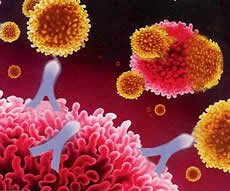
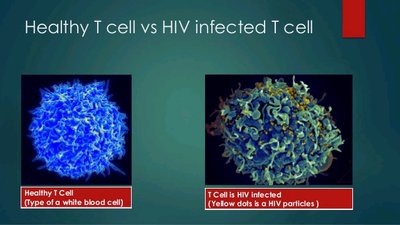
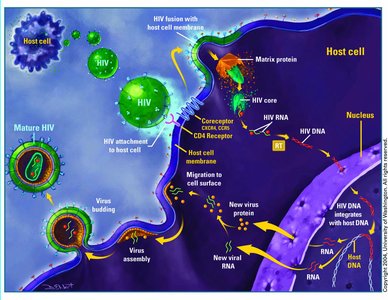
Human Immunodeficiency Virus (HIV) targets and destroys helper T cells, crippling both humoral and cell-mediated immunity.
HIV binds to CD4 receptors on helper T cells, allowing viral entry and replication.
Destruction of T cells leads to immunodeficiency (AIDS), increasing vulnerability to opportunistic infections.
Immune Response to Covid-19 (SARS-CoV-2)
Viral Entry and Pathogenesis
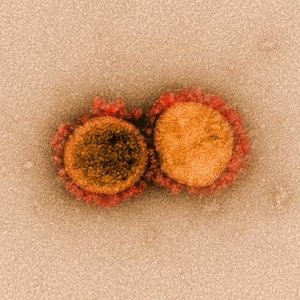
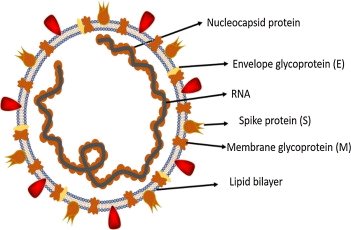
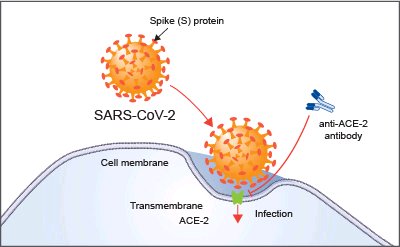
SARS-CoV-2, the virus responsible for Covid-19, infects cells in the respiratory tract by binding to the ACE-2 receptor.
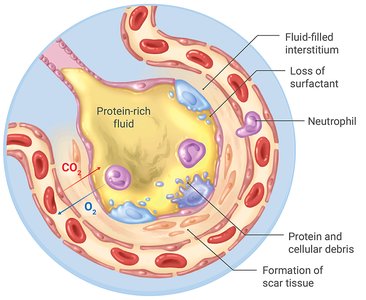
The virus replicates inside host cells, causing cell death and triggering inflammation.
Severe infection can lead to pneumonia, respiratory distress, and a decrease in immune cell counts (B cells, T cells, white blood cells).
Cytokine Storm and Severe Covid-19
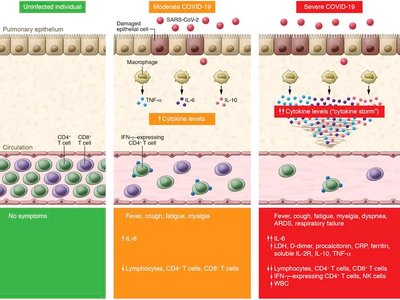
In some patients, an excessive immune response known as a cytokine storm can cause widespread inflammation, blood clots, nerve damage, and organ failure.
Elevated cytokine levels (e.g., IL-6, IL-8) are associated with severe disease, though recent studies suggest not all severe Covid-19 cases have higher cytokine levels than other ICU patients.
Additional info: This guide covers the main concepts of innate and adaptive immunity, immune memory, immune disorders, and the immune response to viral infections, including HIV and Covid-19, as outlined in a typical college-level biology curriculum.
