 Back
BackImmunology: The Lymphatic System and Immune Defense Mechanisms
Study Guide - Smart Notes
 Tailored notes based on your materials, expanded with key definitions, examples, and context.
The Lymphatic System
Structure and Function
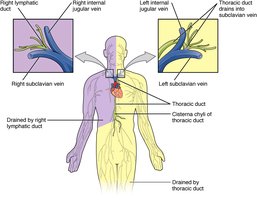
The lymphatic system is a network of vessels and organs that plays a crucial role in immune defense and fluid balance. It absorbs excess tissue fluid, transports lymph, and returns it to the bloodstream, while also facilitating the absorption of fats in the small intestine.
Lymphatic capillaries: Absorb excess tissue fluid (lymph) and fats.
Lymphatic veins: Transport lymph to ducts that drain into the subclavian veins.
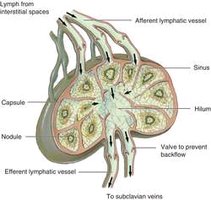
Lymph nodes: Store lymphocytes and filter out foreign invaders.
Lymphatic Organs
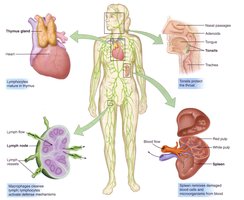
Lymphatic organs include lymph nodes, thymus, and spleen, each contributing to immune function.
Lymph nodes: Filter lymph and house immune cells.
Thymus: Site of T lymphocyte maturation.
Spleen: Removes damaged blood cells and pathogens.
Defense Against Infections
Primary (Innate) Defense Mechanisms
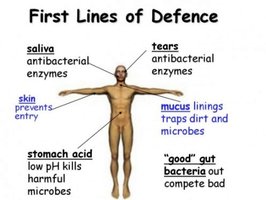
The body's first line of defense prevents infection through physical and chemical barriers.
Skin: Acts as a physical barrier; oil glands secrete chemicals to deter bacteria.
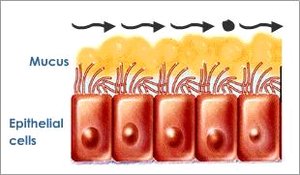
Mucous membranes and cilia: Trap and remove pathogens from passages exposed to the environment.
Acidic pH: Certain body parts (e.g., stomach) have low pH to kill pathogens.
Indigenous bacteria: Compete with harmful microbes for resources.
Saliva and tears: Contain lysozymes that digest microbes.

Secondary (Innate) Defense: Inflammatory Response
When pathogens breach primary defenses, the inflammatory response is activated.
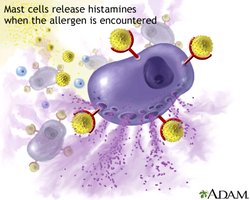
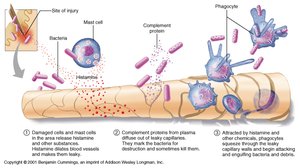
Histamines: Released by damaged cells and mast cells, dilate capillaries and increase blood flow.
Protein complements (chemokines): Attract white blood cells (phagocytes) to the site of infection.
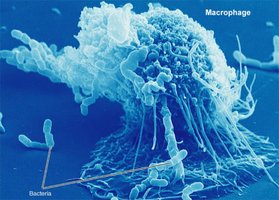
Phagocytes: Engulf microbes and dead cells, cleaning and disinfecting tissue.
Bradykinins: Stimulate nerve endings, causing pain.
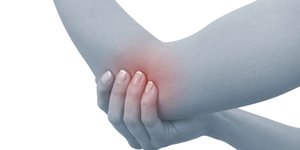
Symptoms: Redness, swelling, heat, and pain at the site of infection.
Specific (Adaptive) Immunity
Lymphocytes: B and T Cells
Specific immunity involves lymphocytes that recognize and respond to particular pathogens.
B lymphocytes: Mature in bone marrow; secrete antibodies for humoral immunity.
T lymphocytes: Mature in thymus; differentiate into helper and cytotoxic T cells for cell-mediated immunity.
Lymphocyte Activation
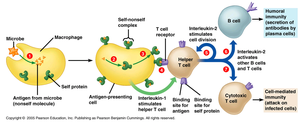
Lymphocyte activation is initiated when macrophages present antigens to helper T cells, which then secrete cytokines to activate other immune cells.
Macrophages: Present "self" and "non-self" complexes to helper T cells.
Helper T cells: Secrete cytokines to activate B cells (humoral response) or cytotoxic T cells (cell-mediated response).
Cell-Mediated Immunity
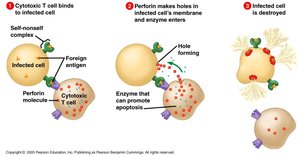
Cytotoxic T cells destroy infected cells by synthesizing toxins such as perforin, which creates holes in the cell membrane, allowing enzymes to enter and promote apoptosis.
Perforin: Forms pores in infected cell membranes.
Apoptosis: Programmed cell death induced by T cell enzymes.
Humoral (Acquired) Immunity
Humoral immunity is activated by exposure to antigens, leading to antibody production and immunological memory.
Antigens: Trigger inflammatory response and antibody production.
Vaccination: Introduces harmless antigens to stimulate acquired immunity.
Immunological memory: Enhances defense against future infections.
Antigens and Antibodies
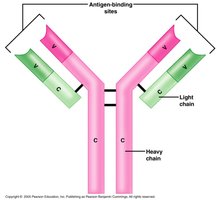
Antigens: Proteins or polysaccharides on foreign cell surfaces; recognized by antibodies.
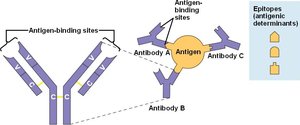
Antigenic determinant: Exposed region of antigen recognized by antibody binding sites.
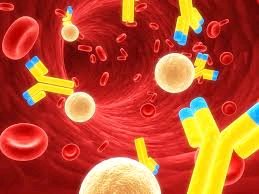
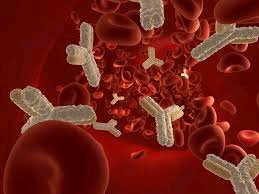
Antibodies: Y-shaped proteins with two antigen binding sites; neutralize antigens and mark them for removal.
Antigen-Antibody Complex and Elimination
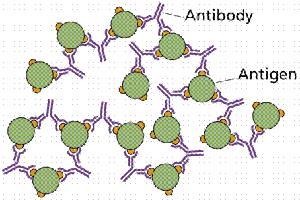
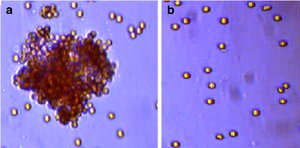
The formation of antigen-antibody complexes neutralizes pathogens and marks them for phagocytosis. Antibodies also cause agglutination and activate complement proteins for cell lysis.
Neutralization: Antibodies block pathogen activity.
Agglutination: Antibodies cause pathogens to clump, facilitating phagocytosis.
Complement activation: Leads to lysis of foreign cells.
Summary Table: Innate vs. Adaptive Immunity
Feature | Innate Immunity | Adaptive Immunity |
|---|---|---|
Specificity | Non-specific | Highly specific |
Cells Involved | Phagocytes, macrophages, mast cells | B cells, T cells |
Memory | None | Immunological memory |
Response Time | Immediate | Delayed (days) |
Examples | Skin, mucous, inflammation | Antibody production, cytotoxic T cell action |
Additional info:
Immunology is covered in Chapter 24: The Immune System, directly relevant to college biology.
Notes include both innate and adaptive immunity, lymphatic system, and mechanisms of defense.
