 Back
BackIndividuals Coping with Their Environment: Temperature and Water
Study Guide - Smart Notes
 Tailored notes based on your materials, expanded with key definitions, examples, and context.
Individuals Coping with Their Environment
Temperature and Water
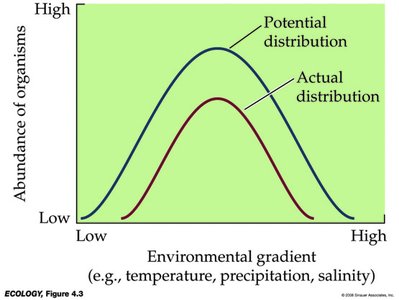
Organisms must survive within a specific range of environmental conditions, particularly temperature and water availability. These factors directly influence physiological processes, survival, growth, and reproduction, and ultimately determine species distributions.
Range of Conditions: Each species has a tolerance range for environmental factors. Outside this range, organisms may die or fail to reproduce.
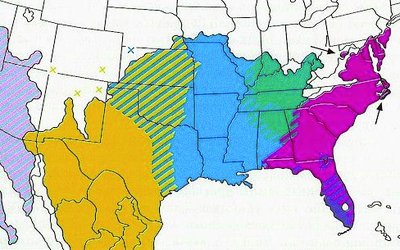
Species Distribution: The limits of tolerance are reflected in where species are found geographically.
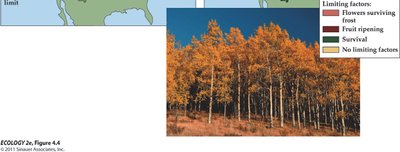
Factors Limiting Population Ranges
Environmental Constraints: Abiotic factors such as temperature, water, and salinity.
Species Interactions: Competition, predation, and mutualism can restrict distributions.
Geographic Barriers: Physical barriers and historical events (e.g., speciation) affect range.
Environmental Stress
Definition and Effects
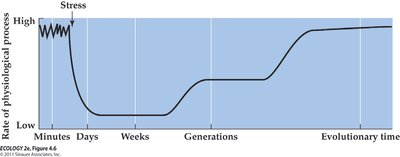
Environmental stress is any factor that decreases the rate of physiological processes, lowering the potential for survival, growth, or reproduction. Organisms respond to stress at both the population and individual levels.
Adaptation: Genetic changes in populations over generations that increase fitness in specific environments.
Ecotypes: Populations with adaptations to unique environmental conditions.
Acclimatization vs. Adaptation
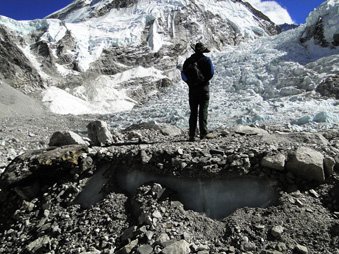
Acclimatization: Short-term, reversible physiological, morphological, or behavioral changes in individuals to minimize stress from environmental change.
Adaptation: Long-term, heritable changes in populations.
Strategies for Coping with Environmental Stress
Tolerance and Avoidance
Organisms cope with environmental stress through tolerance or avoidance mechanisms.
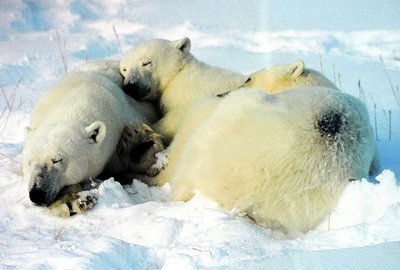
Tolerance: The capacity to withstand exposure to environmental factors (e.g., thick fur on polar bears).
Avoidance: Behaviors or physiological mechanisms to prevent damage (e.g., migration).
Dormancy
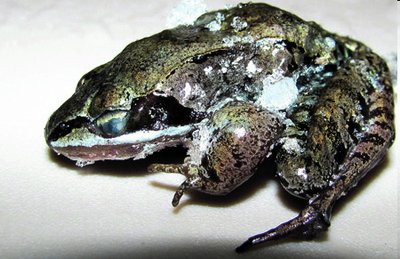
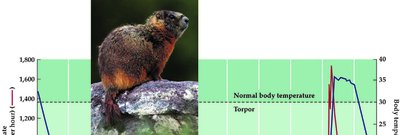
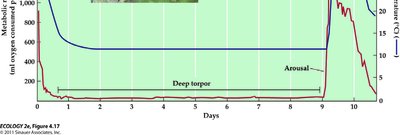
Dormancy is an extreme form of tolerance where metabolic activity is greatly reduced. Growth and reproduction cease, allowing survival during adverse conditions.
Temperature Regulation
Importance of Temperature
Temperature affects biochemical reactions, enzyme activity, and membrane stability. Organisms must regulate their internal temperature to maintain homeostasis.
Optimal Temperature: Enzymes function best within a specific temperature range.
Extreme Heat: Denatures enzymes and causes water loss.
Cold Temperatures: Slow reactions and can solidify membranes.
Regulation Strategies
Plants: Open/close stomata, change morphology for heat loss.
Animals: Ectotherms regulate body temperature through environmental exchange; endotherms produce internal heat.
Surface Area to Volume Ratio
The ratio of surface area to volume affects heat exchange. Larger ratios increase heat exchange, making it harder to maintain constant temperature.
Water Balance
Importance of Water
Water is essential for life, serving as a universal solvent and medium for biochemical reactions. Most organisms are composed of 60-90% water.
Osmosis: Water flows from low to high solute concentration.
Pressure: Water flows from high to low pressure.
Balance: Organisms must regulate both water and solute levels.
Salt/Water Balance
Type | Definition | Example | |
|---|---|---|---|
Hypoosmotic | Lower solute concentration than environment | Marine fish | |
Hyperosmotic | Higher solute concentration than environment | Freshwater fish |
Water Conservation Strategies
Single-celled organisms: Require moist environments, use dormant stages, adjust osmotic balance.
Plants: Open stomata at night, waxy leaves, extensive roots, mycorrhizal relationships, adjust osmotic balance.
Animals: Exoskeletons, thick skin, hair/feathers, behavioral avoidance (e.g., nocturnality).
Tradeoffs in Water Conservation
Sweat glands: Aid cooling but require water.
Thick skin: Reduces water loss but may inhibit gas exchange.
Behavioral avoidance: Reduces feeding time, slowing growth.
Summary Table: Coping with Environmental Stress
Strategy | Definition | Example |
|---|---|---|
Adaptation | Genetic change in population | Ecotypes of barnacles |
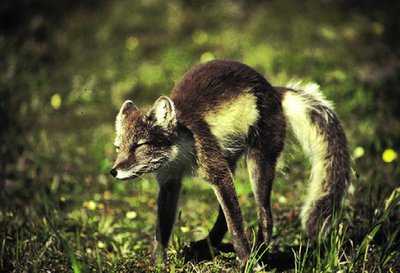
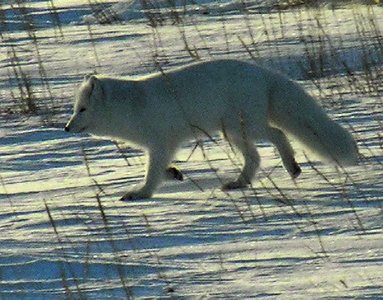
Acclimatization | Short-term, reversible change in individual | Seasonal fur color in arctic fox |
Tolerance | Withstand exposure | Thick fur in polar bears |
Avoidance | Prevent damage | Migration |
Dormancy | Reduced metabolic activity | Hibernation, frozen frog |
Additional info: These notes integrate concepts from population ecology, animal physiology, and plant biology, providing a comprehensive overview of how organisms cope with environmental stressors related to temperature and water.
