 Back
Inheritance, Sex Chromosomes, and Hardy-Weinberg Equilibrium: Study Notes
Study Guide - Smart Notes
 Tailored notes based on your materials, expanded with key definitions, examples, and context.
Inheritance and Evolution in Diploid Organisms
Chromosomal Theory of Inheritance
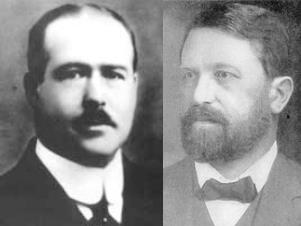
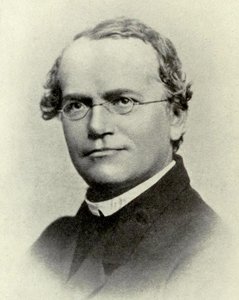
The Chromosomal Theory of Inheritance, developed by Walter Sutton and Theodor Boveri in the early 1900s, states that chromosomes carry the units of heredity (genes). This theory provided the physical basis for Mendel's laws of inheritance and established the connection between chromosomes and genetic traits.
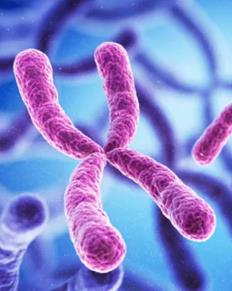
Chromosomes: Structures within cells that contain DNA and genes.
Genes: Units of heredity located on chromosomes.
Diploid organisms: Organisms with two sets of chromosomes (one from each parent).
Thomas Hunt Morgan and Drosophila melanogaster
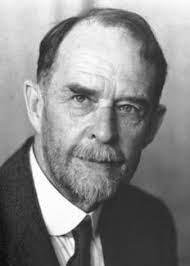
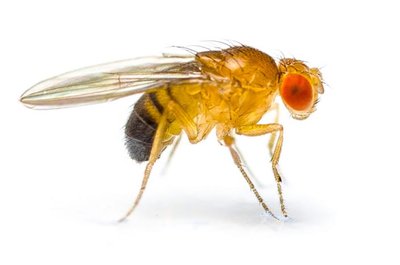
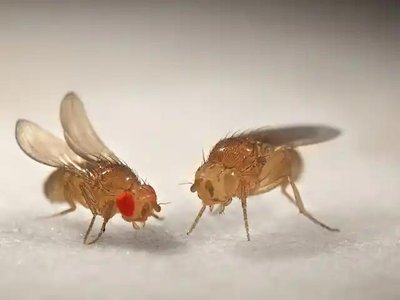
Thomas Hunt Morgan was a pioneer in studying chromosomal inheritance using the fruit fly, Drosophila melanogaster. His experiments provided key evidence for the chromosomal theory and introduced the concept of genetic linkage.
Model organism: Drosophila melanogaster is widely used in genetics due to its short life cycle and easily observable traits.
Wild type: The most common phenotype in a population.
Mutant: An individual with a trait caused by a mutation.
Sex Chromosomes and Sex Linkage
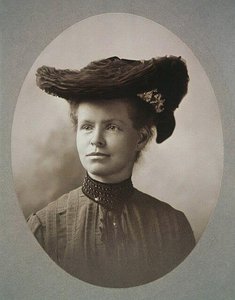
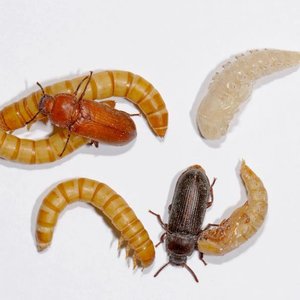
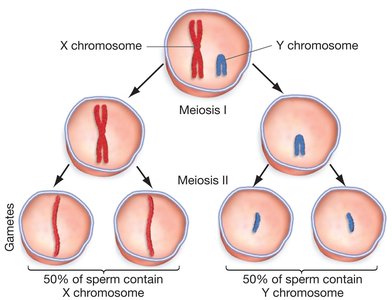
Sex chromosomes determine the biological sex of an organism. In many animals, females are homogametic (XX) and males are heterogametic (XY). Nettie Maria Stevens discovered the existence of sex chromosomes while studying mealworms.
X and Y chromosomes: Sex chromosomes in many animals; females have XX, males have XY.
Sex linkage: Genes located on sex chromosomes exhibit unique inheritance patterns.
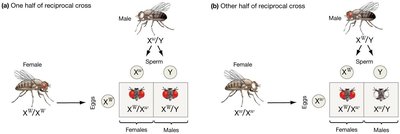
Reciprocal crosses: Crosses in which the sexes of the parents are switched to test for sex-linked inheritance.
Sex Determination Systems
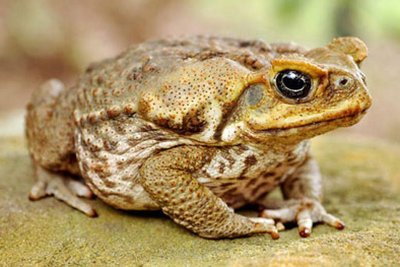
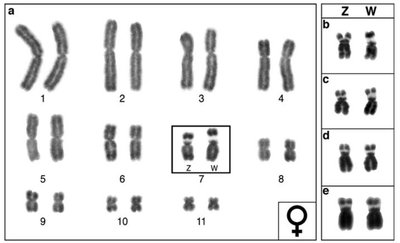
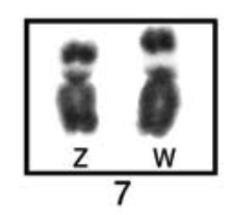
Not all animals use the XX/XY system. For example, some amphibians and reptiles use the ZZ/ZW system, where females are heterogametic (ZW) and males are homogametic (ZZ).
ZZ/ZW system: Found in birds, some reptiles, and amphibians; ZW is female, ZZ is male.
Sex Linkage and Chromosome Theory
Morgan's experiments with fruit flies demonstrated that some traits are linked to sex chromosomes. For example, the gene for white eye color in fruit flies is located on the X chromosome, leading to different inheritance patterns in males and females.
X-linked inheritance: Gene located on the X chromosome.
Y-linked inheritance: Gene located on the Y chromosome.
Autosomal inheritance: Genes located on non-sex chromosomes (autosomes).
Extending Mendel’s Rules: Linkage and Crossing Over
Genetic Linkage
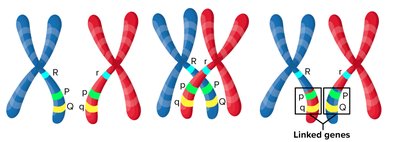
Linkage refers to the tendency of genes located on the same chromosome to be inherited together. This can affect the expected Mendelian ratios in offspring.
Linked genes: Genes located close together on the same chromosome.
Sex linkage: Refers specifically to genes on sex chromosomes, not their relative positions.
Crossing Over and Genetic Recombination
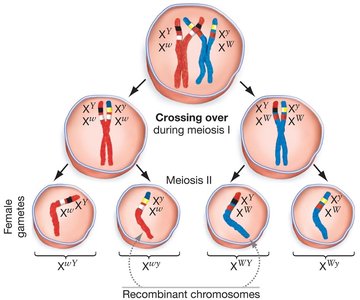
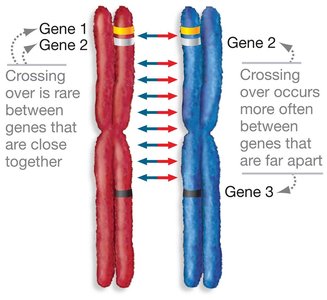
During prophase I of meiosis, homologous chromosomes can exchange segments in a process called crossing over. This creates new combinations of alleles, known as genetic recombination.
Crossing over: Exchange of genetic material between homologous chromosomes.
Genetic recombination: Production of offspring with combinations of traits different from either parent.
Genes farther apart on a chromosome are more likely to be separated by crossing over.
Genetic Mapping and Centimorgans
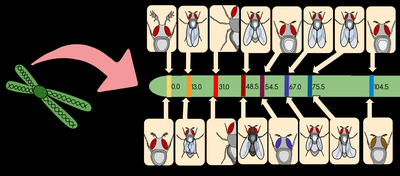
The frequency of recombination between genes can be used to estimate their relative distance on a chromosome. The unit of measurement is the centimorgan (cM), named after T.H. Morgan.
Genetic map: Diagram showing the relative positions of genes on a chromosome.
Centimorgan (cM): Unit for measuring genetic linkage; 1 cM = 1% recombination frequency.
Alleles and Patterns of Inheritance
Multiple Alleles
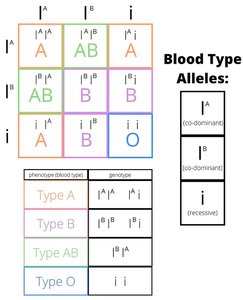
While Mendel studied genes with two alleles, many genes have more than two alleles in a population. For example, the human ABO blood group system has three common alleles: IA, IB, and i.
Multiple alleles: More than two forms of a gene exist in a population.
Dominance Relationships
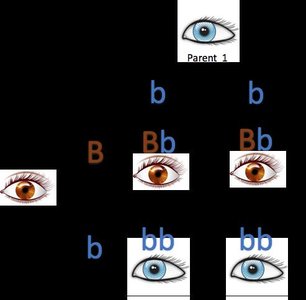
Dominant and recessive describe which phenotype is observed in heterozygotes. Complete dominance means only the dominant phenotype is seen. Other patterns include codominance and incomplete dominance.
Complete dominance: Dominant allele masks the effect of the recessive allele in heterozygotes.
Codominance: Both alleles are fully expressed in heterozygotes (e.g., AB blood type).
Incomplete dominance: Heterozygotes have an intermediate phenotype (e.g., pink flowers from red and white parents).
The Hardy–Weinberg Principle
Hardy–Weinberg Equilibrium
The Hardy–Weinberg principle provides a mathematical model to study genetic variation in populations. It predicts genotype frequencies under certain assumptions and serves as a null hypothesis for detecting evolution.
Gene pool: All alleles from all individuals in a population.
Allele frequencies: Proportion of each allele in the population (p and q for two alleles).
Genotype frequencies: Proportion of each genotype (A1A1, A1A2, A2A2).
The Hardy–Weinberg equation for two alleles:
Where:
= frequency of homozygous dominant genotype
= frequency of heterozygous genotype
= frequency of homozygous recessive genotype
Assumptions of Hardy–Weinberg Equilibrium
The model assumes:
Random mating
No natural selection
No genetic drift (large population size)
No gene flow (no migration)
No mutation
If these assumptions are met, allele and genotype frequencies remain constant from generation to generation.
Testing for Hardy–Weinberg Equilibrium
To determine if a population is in Hardy–Weinberg equilibrium:
Estimate genotype frequencies from observed data.
Calculate allele frequencies from genotype frequencies.
Use allele frequencies to calculate expected genotype frequencies under Hardy–Weinberg equilibrium.
Compare observed and expected frequencies statistically.
If observed and expected frequencies differ, the population is not in equilibrium and evolution may be occurring.
Example Problems
Scenario 1: In a population of 1600 lizards, 240 are GG, 1200 are Gg, and 160 are gg. Calculate allele frequencies and expected genotype frequencies under Hardy–Weinberg equilibrium. Determine if selection is occurring.
Scenario 2: In a population of 2000 rabbits, 450 are GG, 990 are Gg, and 560 are gg. Calculate genotype and allele frequencies, expected genotype frequencies, and assess Hardy–Weinberg equilibrium.
Formulas:
Allele frequency (G):
Allele frequency (g):
Expected genotype frequencies: (GG), (Gg), (gg)
Summary Table: Key Terms and Concepts
Term | Definition |
|---|---|
Chromosomal Theory of Inheritance | Chromosomes carry genes, the units of heredity. |
Sex Chromosomes | Chromosomes that determine sex (e.g., X and Y). |
Sex Linkage | Inheritance pattern of genes on sex chromosomes. |
Linkage | Genes on the same chromosome tend to be inherited together. |
Crossing Over | Exchange of genetic material between homologous chromosomes during meiosis. |
Centimorgan (cM) | Unit of genetic linkage; 1% recombination frequency. |
Hardy–Weinberg Equilibrium | Condition where allele and genotype frequencies remain constant in a population. |
Allele Frequency | Proportion of a specific allele in a population. |
Genotype Frequency | Proportion of a specific genotype in a population. |
