 Back
BackIntegration of Human Body Systems and Homeostasis
Study Guide - Smart Notes
 Tailored notes based on your materials, expanded with key definitions, examples, and context.
Organ Systems and Homeostasis
Overview of Organ System Interactions
The human body is composed of multiple organ systems that work together to maintain homeostasis, the stable internal environment necessary for life. Each system performs specialized functions, but their integration is essential for overall health and survival.
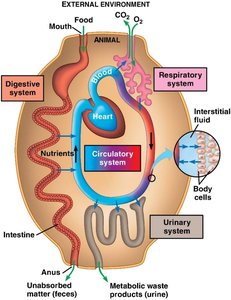
Circulatory System: Delivers oxygen (O2) and nutrients to cells, removes carbon dioxide (CO2) and metabolic wastes.
Respiratory System: Facilitates gas exchange, supplying O2 to blood and removing CO2.
Urinary System: Removes waste products, regulates blood pH, water, and electrolyte balance.
Digestive System: Breaks down food, absorbs nutrients, and eliminates undigested material.
Nervous and Muscular Systems: Coordinate movement, posture, and responses to stimuli.
Gas Exchange and Transport
Structure and Function of the Alveolus
The alveolus is the primary site of gas exchange in the lungs. Oxygen diffuses from the alveolar air into the blood, while carbon dioxide diffuses from the blood into the alveolus to be exhaled. This process is driven by concentration gradients and partial pressures of gases.
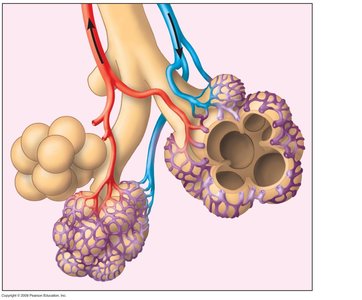
Oxygen-rich blood leaves the alveolus and is transported to body tissues.
Oxygen-poor blood returns to the lungs for re-oxygenation.
Diffusion of Gases
Gas exchange occurs by diffusion across the thin walls of alveoli and capillaries. The movement is from areas of higher to lower concentration (partial pressure).
O2 diffuses into the blood; CO2 diffuses out into the alveolus.
At tissues, O2 leaves the blood for cells, and CO2 enters the blood from cells.
Transport of Gases in Blood
Oxygen is transported in the blood primarily by hemoglobin in red blood cells (RBCs). Each hemoglobin molecule can bind up to four O2 molecules due to its four iron-containing heme groups.
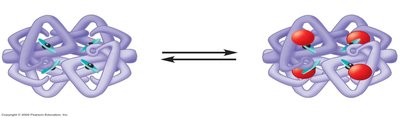
O2 loading: Occurs in the lungs.
O2 unloading: Occurs in body tissues.
Systemic and Pulmonary Circulation
The heart pumps blood through two main circuits: the pulmonary circuit (to and from the lungs) and the systemic circuit (to and from the rest of the body).
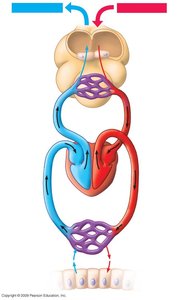
Arteries carry blood away from the heart; veins return blood to the heart.
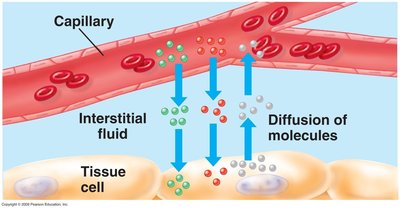
Capillaries are the sites of exchange between blood and tissues.
Failure to Maintain Homeostasis
Asthma
Asthma is a condition where inflammation and constriction of the bronchioles reduce airflow, limiting oxygen delivery to tissues. This can impair cellular respiration and ATP production.
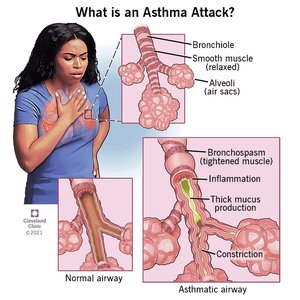
Symptoms include difficulty breathing, wheezing, and reduced oxygenation of blood.
Heart Attack (Myocardial Infarction)
A heart attack occurs when blood flow to part of the heart muscle is blocked, usually by a clot in a coronary artery. This deprives heart cells of oxygen, causing tissue damage or death.
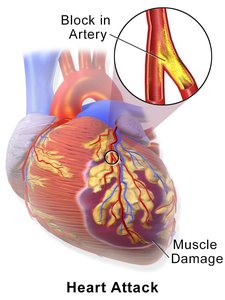
Damaged heart cells cannot regenerate efficiently, leading to impaired heart function.
Blood Vessels: Structure and Function
Comparing Arteries, Veins, and Capillaries
Blood vessels differ in structure and function to accommodate their roles in circulation.
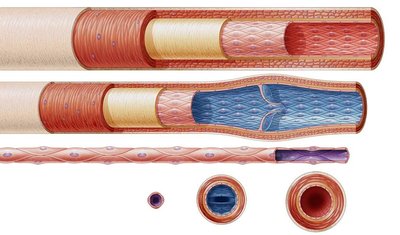
Vessel Type | Wall Thickness | Direction | Valves | O2 Level | Blood Flow Speed |
|---|---|---|---|---|---|
Artery | Thick | Away from heart | No | High (systemic) | Fast |
Vein | Thin | Toward heart | Yes | Low (systemic) | Slow |
Capillary | Very thin | Connect arteries and veins | No | Varies | Very slow |
Capillary Exchange
Capillaries allow for the exchange of gases, nutrients, and wastes between blood and tissues via diffusion.
Atherosclerosis
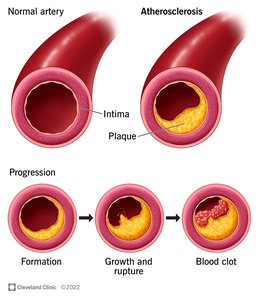
Atherosclerosis is the buildup of fatty plaques in arteries, which can restrict blood flow and increase the risk of heart attack and stroke.
Urinary and Digestive Systems: Waste Removal and Nutrient Absorption
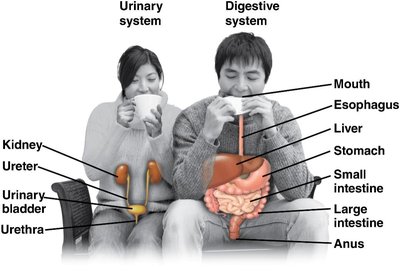
Overview of the Urinary and Digestive Systems
The urinary system removes metabolic wastes and regulates blood composition, while the digestive system processes food for nutrient absorption and waste elimination.
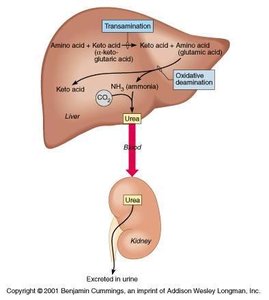
Urea Formation and Excretion
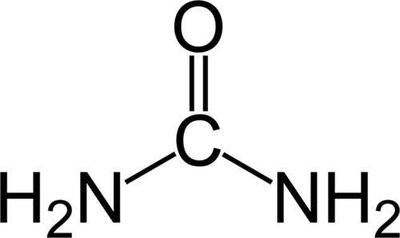
The liver converts toxic ammonia (NH3) into less toxic urea, which is then excreted by the kidneys. The chemical reaction is:
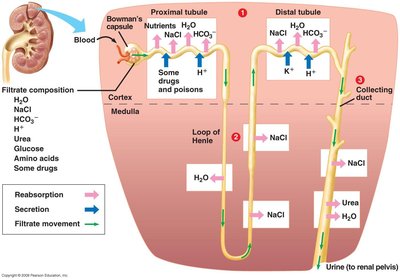
Nephron Function in the Kidney
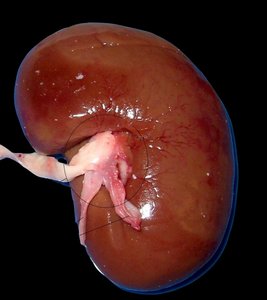
The nephron is the functional unit of the kidney, responsible for filtering blood, reabsorbing needed substances, and secreting wastes into urine.
Hormonal Regulation of Red Blood Cell Production
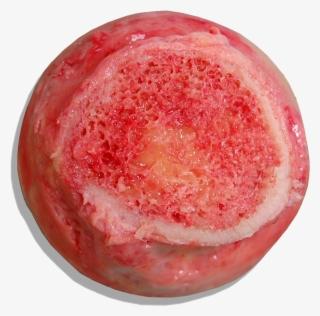
When blood oxygen levels are low, the kidneys release erythropoietin, a hormone that stimulates red bone marrow to produce more RBCs, restoring oxygen levels.
Digestive System and Nutrient Absorption
Structure of the Small Intestine
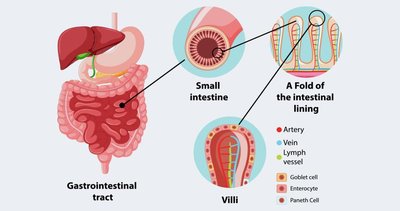
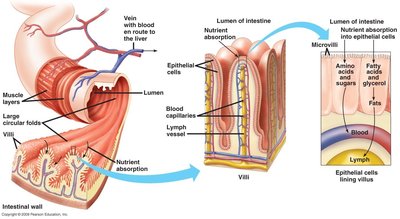
The small intestine is specialized for nutrient absorption, with structures such as villi and microvilli that increase surface area.
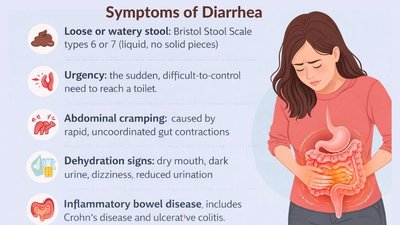
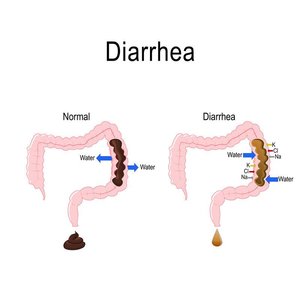
Failure to Maintain Homeostasis: Diarrhea
Diarrhea results from improper water absorption in the large intestine, leading to dehydration and loss of electrolytes.
Integration of Organ Systems
Coordinated Function of Multiple Systems
Organ systems interact to maintain homeostasis. For example, the circulatory system transports nutrients, gases, and wastes between the digestive, respiratory, and urinary systems.
Nervous and Muscular Systems
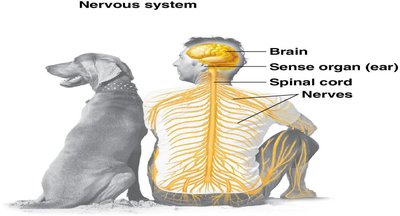
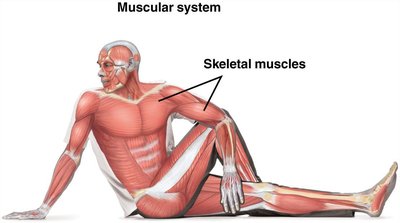
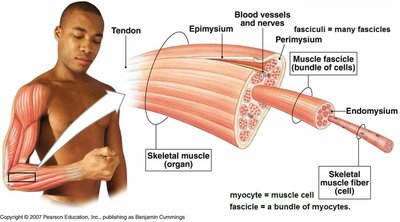
The nervous system detects stimuli and coordinates responses, while the muscular system enables movement and generates heat.
Neurons and Neuromuscular Junctions
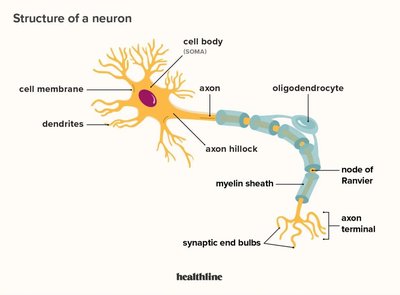
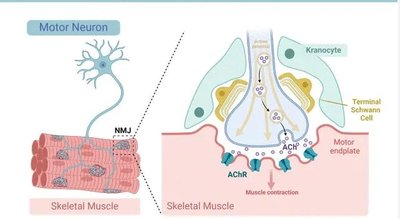
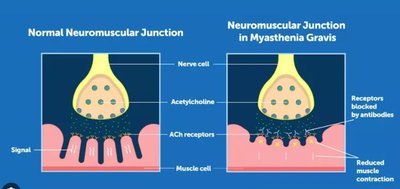
Neurons transmit electrical signals, and the neuromuscular junction is where a motor neuron communicates with a muscle fiber to trigger contraction.
Failure to Maintain Homeostasis: Myasthenia Gravis
Myasthenia gravis is an autoimmune disorder where antibodies block acetylcholine receptors at the neuromuscular junction, leading to muscle weakness.
Summary Table: Major Organ Systems and Functions
System | Main Function | Key Organs |
|---|---|---|
Circulatory | Transport of gases, nutrients, wastes | Heart, blood vessels |
Respiratory | Gas exchange | Lungs, trachea |
Digestive | Breakdown and absorption of food | Stomach, intestines, liver |
Urinary | Excretion of wastes, water balance | Kidneys, bladder |
Nervous | Coordination, response to stimuli | Brain, spinal cord, nerves |
Muscular | Movement, posture, heat production | Skeletal muscles |
Additional info: Homeostasis is maintained through feedback mechanisms involving multiple organ systems. Disruption in one system can affect the entire organism, highlighting the importance of integration and communication among systems.
