 Back
Introduction to Biology and the Scientific Method: Fundamentals and Study Strategies
Study Guide - Smart Notes
 Tailored notes based on your materials, expanded with key definitions, examples, and context.
Introduction to Biology
Defining Life and Its Properties
Biology is the scientific study of life, focusing on the characteristics and processes that define living organisms. Understanding these properties is foundational for all biological sciences.
Membrane Delimited: All living cells are surrounded by a membrane that separates internal processes from the external environment.
Information Storage and Transmission: Life stores and transmits instructions, primarily through genetic material such as DNA.
Energy Utilization: Organisms store, transform, and use energy to drive cellular processes.
Response to Environment: Living things control their functions and respond to environmental changes.
Self-Replication: Life is capable of reproducing itself.
Evolution: Populations of organisms evolve over time.
Role of Biomolecules: Life’s properties are facilitated by biomolecules such as proteins, lipids, carbohydrates, and nucleic acids.
Cell as the Smallest Unit: The cell is the fundamental unit of life.


Fundamental Concepts and Study Strategies
Building Knowledge in Biology
Biology is cumulative, requiring students to build upon fundamental concepts throughout the course. Effective study habits are essential for mastering the material.
Seek Help Early: Address confusion before quizzes or exams to ensure understanding.
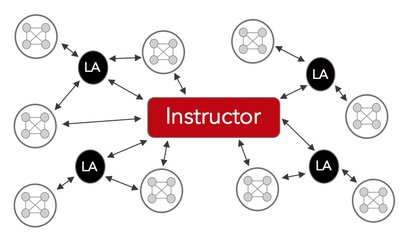
Group Learning: Teaching and learning are collaborative efforts; study groups and office hours are valuable resources.
Active Learning: Use concept maps, flash cards, and drawing to reinforce learning.
Self-Testing: Regularly test your knowledge by explaining concepts without notes.
Scheduling: Set goals and develop a schedule for reading, attending class, and completing assignments.

Effective Study Patterns
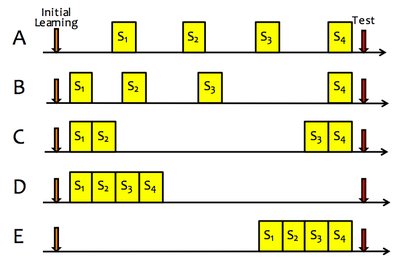
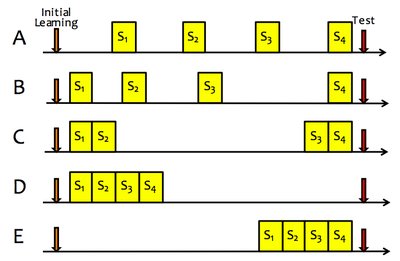
Biologists use figures to explain mechanisms, and similar visual strategies can help students understand and retain information. Spaced repetition and distributed practice are proven to enhance memory retention.
Spaced Repetition: Studying material at intervals improves long-term retention.
Forgetting Curve: More than 50% of learned material can be forgotten within an hour without review.
Testing Effect: Testing yourself is more effective than passive review.
Data Representation in Biology
Understanding Graphs and Variables
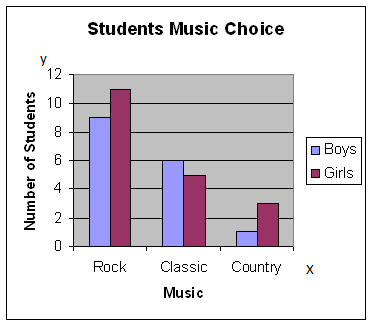
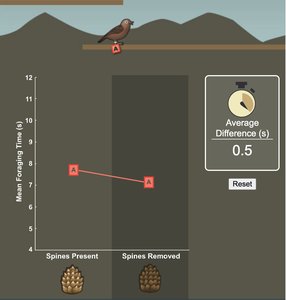
Biological data is often presented graphically to illustrate relationships between variables. Recognizing the types of variables and axes is crucial for interpreting scientific data.
Independent Variable (x-axis): The factor that does not depend on other variables, often time or experimental treatment.
Dependent Variable (y-axis): The measured outcome that depends on the independent variable.
Types of Graphs: Bar graphs, line graphs, and scatter plots are commonly used in biology.
Experimental Variable (Independent Variable) | Responding Variable (Dependent Variable) |
|---|---|
Factor of the experiment being tested | Result or change that occurs due to the experimental variable |
The Scientific Method
Steps of the Scientific Method
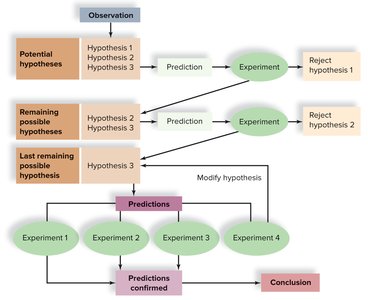
The scientific method is a systematic approach used to investigate biological questions. It involves observation, hypothesis formation, prediction, experimentation, and analysis.
Observation: Gathering information about phenomena.
Hypothesis: Formulating a testable explanation.
Prediction: Making a logical statement about expected outcomes.
Experiment: Testing the hypothesis with controlled variables.
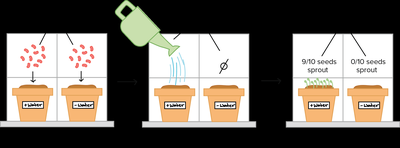
Control Group: A baseline group that does not receive the experimental treatment, allowing comparison.
Analysis: Interpreting results to confirm or refute the hypothesis.

Example: Tomato Plant Experiment
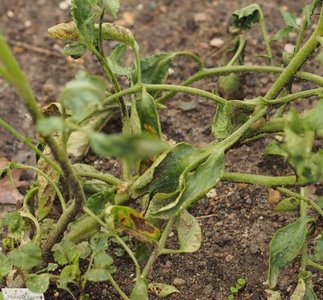
Consider an experiment comparing the health of tomato plants under different conditions. Observations, hypotheses, predictions, and controls are all essential components.
Observation: Noticing differences in plant health.
Hypothesis: Suggesting a cause for the observed difference.
Prediction: Expecting a specific outcome if the hypothesis is correct.
Experiment: Testing the hypothesis with a control group.
Control Group: Plants not receiving the experimental treatment.

Example: Baking Powder Experiment
In a baking experiment, the control group would be the cake made without baking powder, serving as a baseline to compare the effect of the added ingredient.
Experimental Group: Cake with baking powder.
Control Group: Cake without baking powder.
Purpose: To determine if baking powder affects cake texture.
Summary Table: Scientific Method Steps
Step | Description | Example |
|---|---|---|
Observation | Gathering information | Tomato plants look different |
Hypothesis | Testable explanation | Soil quality affects plant health |
Prediction | Expected outcome | Plants in better soil will grow more |
Experiment | Testing hypothesis | Grow plants in different soils |
Control Group | Baseline comparison | Plants in standard soil |
Additional info: The notes emphasize the importance of foundational concepts, effective study habits, and understanding the scientific method, which are essential for success in General Biology and subsequent courses.
