 Back
Introduction to Biology and the Scientific Method
Study Guide - Smart Notes
 Tailored notes based on your materials, expanded with key definitions, examples, and context.
Biology: The Study of Life
Definition and Scope
Biology is the scientific study of life and all associated behaviors. It encompasses a wide range of subfields, each focusing on different aspects and levels of biological organization.
Molecular Biology: Studies the composition, structure, and interactions of cellular molecules such as nucleic acids and proteins.
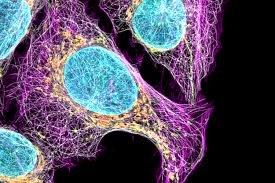
Cell Biology: Focuses on the structure and function of cells, the basic units of life.
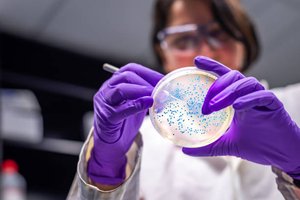
Microbiology: Examines microorganisms, including bacteria, viruses, fungi, and protozoa.
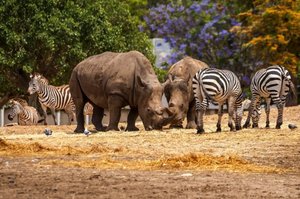
Ecology: Investigates the relationships among living organisms and their physical environment.
Zoology: Studies animals, including their behavior, physiology, classification, and distribution.
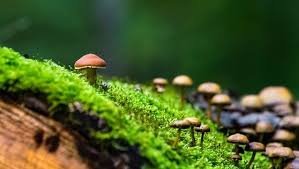
Properties of Living Organisms
Characteristics of Life
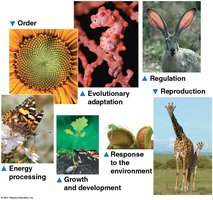
Scientists recognize life by observing what organisms do. The following properties are common to all living organisms:
Order: Highly ordered structure that typifies life.
Evolutionary Adaptation: Organisms adapt over generations through the process of evolution.
Regulation: Ability to maintain internal stability (homeostasis).
Energy Processing: Use of energy to power activities and chemical reactions.
Growth and Development: Consistent growth and development controlled by inherited information.
Response to the Environment: Ability to respond to environmental stimuli.
Reproduction: Ability to produce new organisms.
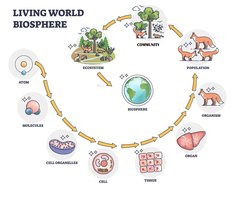
Levels of Biological Organization
Hierarchy of Life
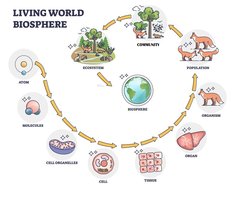
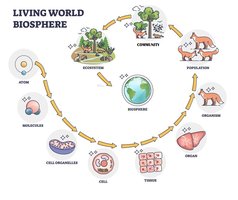
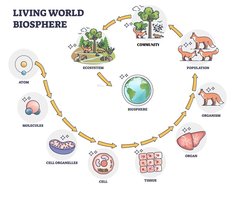
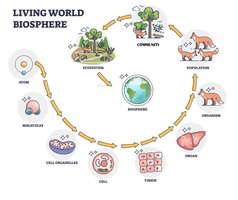
Biology examines life at various levels of organization, from the smallest molecules to the entire biosphere. Each level builds upon the previous one, increasing in complexity.
Biosphere
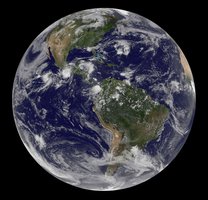
The biosphere is the largest and most inclusive level, encompassing all life on Earth and all the places where life exists.
Ecosystem
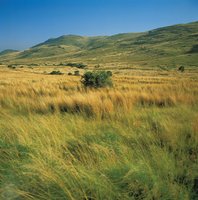
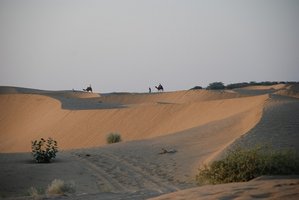
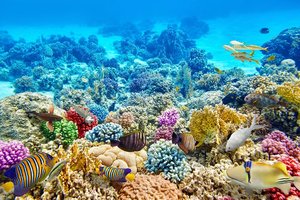
An ecosystem consists of all living and nonliving things in a particular area, including soil, water, gases, and light. Examples include grasslands, deserts, and coral reefs.
Community
A community includes all living organisms inhabiting a particular ecosystem, such as plants, animals, fungi, and bacteria.
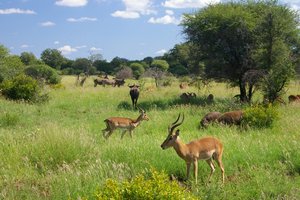
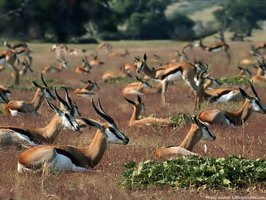
Population
A population consists of all individuals of a species living within a specified area. For example, a meadow may contain a population of mule deer.
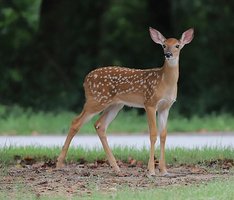
Organism
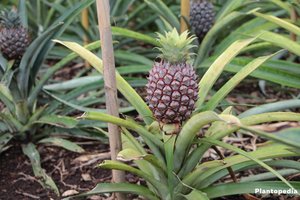
An organism is an individual living thing, such as a plant, deer, or fungus.
Organ
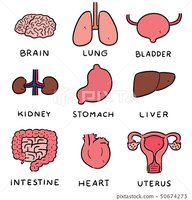
An organ is a body part made up of multiple tissues that performs specific functions. Examples include the heart, lungs, leaves, and roots.
Tissue
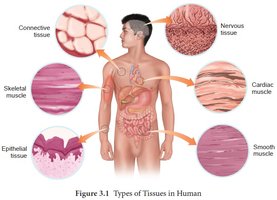
Tissues are groups of cells that work together to perform a specific function, such as muscle or epidermal tissue.
Cell
The cell is the structural and functional unit of life. Organisms may be unicellular or multicellular. Examples include plant and animal cells.
Organelle
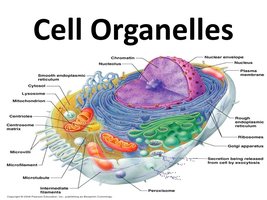
Organelles are specialized structures within cells that perform distinct processes, such as the nucleus, mitochondria, and chloroplasts.
Molecule
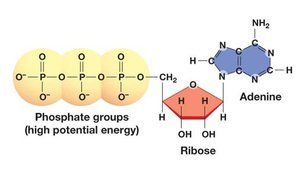
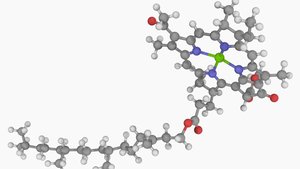
A molecule is a chemical structure consisting of two or more atoms. Molecules play roles in structural support, transport, and energy storage (e.g., chlorophyll, ATP).
Systems Biology and Reductionism
Systems biology studies how different levels of biological organization interact and influence one another as complexity increases. Reductionism simplifies complex systems into manageable components for study. Both approaches are complementary in understanding life.
The Scientific Method
Definition and Steps
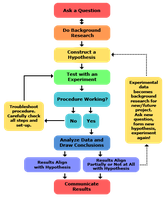
Science is an approach to understanding the natural world. The scientific method is a systematic procedure used to search for explanations of natural phenomena.
Observation and background research
Formulating hypotheses
Performing experiments
Collecting and analyzing data
Drawing conclusions and communicating results
Hypotheses and Predictions
A hypothesis is a proposed explanation for a set of observations that leads to testable predictions. Predictions are tested through further observations or experiments.
Experiments and Data
An experiment is a scientific test carried out under controlled conditions. Data collected can be:
Qualitative: Descriptive data (e.g., color, smell, behavior).
Quantitative: Numerical measurements (e.g., weight, size, time, temperature).
Variables in Experiments
Independent Variable: The factor manipulated by the researcher.
Dependent Variable: The factor measured in response to changes in the independent variable.
Controlled Variable: Factors kept constant throughout the experiment.
Positive Control: Group where a change is expected.
Negative Control: Group where no change is expected.
Controlled Experiments
Controlled experiments compare an experimental group with a control group. The control group is not exposed to the independent variable, while the experimental group receives the treatment.
Interpreting Graphs
Bar Graphs: Independent variable on the X-axis; dependent variable on the Y-axis.
Line Graphs: Used to show changes over time; axes as above.
Theory Formation
When a hypothesis is repeatedly supported by experimentation, it may become a theory—a widely accepted explanation of natural phenomena. Theories can be modified or rejected with new evidence.
Communication in Science
Science is a collaborative process. Results are communicated for peer review, publication, and societal benefit, including technology development, policy, and knowledge building.
Five Unifying Themes of Biology
Major Themes
Evolution: The process by which living species are descendants of ancestral species.
Genetics and Information Flow: The transmission and expression of genetic information.
Structure and Function: Biological structures are correlated with their functions.
Cell Structure and Function: Cells are the basic units of life.
Flow of Energy: Life depends on energy transformations (e.g., photosynthesis, cellular respiration).
Interactions: Life depends on interactions within and between systems.
Evolutionary Theory
Evolution explains both the unity and diversity of life. Similarities between fossil records and current organisms suggest a common ancestor. DNA evidence supports evolutionary relationships.
For example, birds such as flamingos, penguins, and hummingbirds share a common body plan but have specialized adaptations for their environments.
Darwin's theory of evolution, as presented in "On the Origin of Species," proposed that species arise from a succession of ancestors through the process of "descent with modification." The mechanism for this process is natural selection—individuals with advantageous traits are more likely to survive and reproduce.
Natural selection involves competition for resources and survival. Organisms best adapted to their environment are more likely to survive and reproduce, passing on beneficial traits to future generations.
