Back

Introduction to Biology (BIO-110) – Course Structure, Content, and Success Guide

Study Guide - Learn with Videos

Curated lessons matched to your uploaded material – learn every topic step by step.

Scientific Method

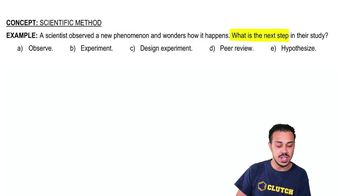
  • Scientific Method Example 1
    01:35
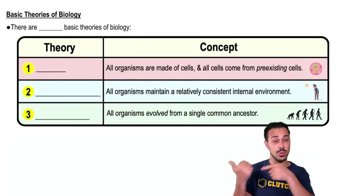
  • Basic Theories of Biology
    03:03
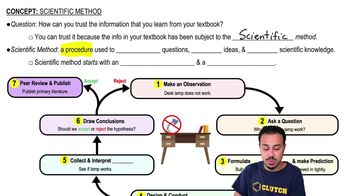
  • Scientific Method
    06:29

Atoms - Smallest Unit of Matter

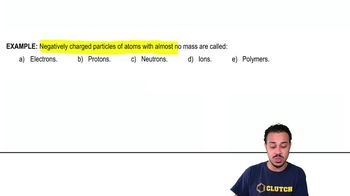
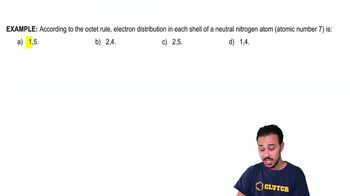
  • Atoms- Smallest Unit of Matter Example 1
    02:13
  • Atoms- Smallest Unit of Matter Example 3
    03:51
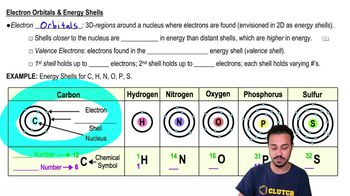
  • Electron Orbitals & Energy Shells
    09:44

Acids and Bases

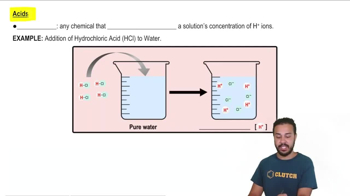
  • Acids
    02:45
  • Acids and Bases
    01:29
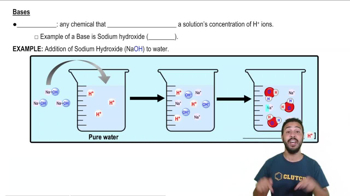
  • Bases
    03:48

Introduction to Biomolecules

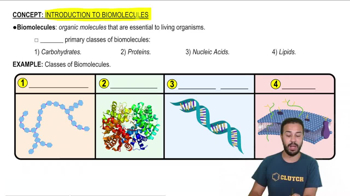
  • Introduction to Biomolecules
    01:17
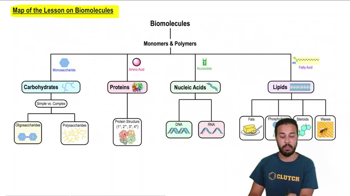
  • Map of the Lesson on Biomolecules
    01:29

Enzymes

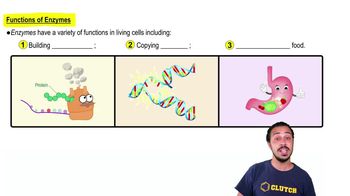
  • Functions of Enzymes
    02:32
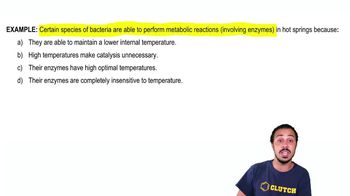
  • Enzymes Example 1
    02:25
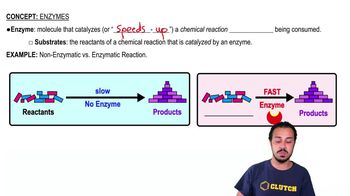
  • Enzymes
    02:55

Prokaryotic & Eukaryotic Cells

  • Recap: Prokaryotic vs. Eukaryotic Cells
    04:26
  • Prokaryotic & Eukaryotic Cells
    05:54
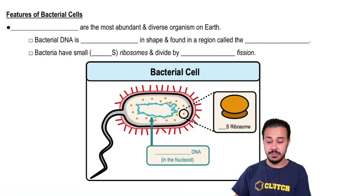
  • Features of Bacterial Cells
    03:54

Biological Membranes

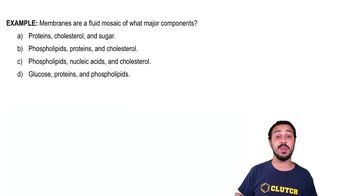
  • Biological Membranes Example 1
    02:21
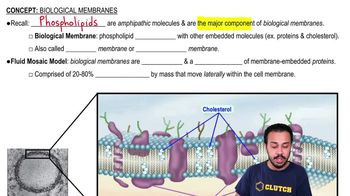
  • Biological Membranes
    06:04

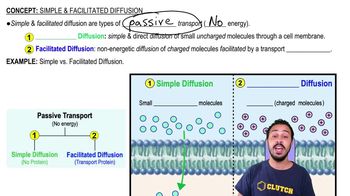
Simple and Facilitated Diffusion

  • Simple and Facilitated Diffusion
    05:10
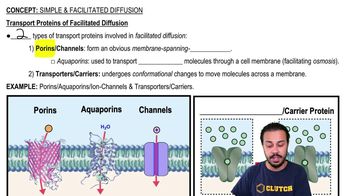
  • Transport Proteins of Facilitated Diffusion
    04:49

Osmosis

  • Osmosis Example 1
    02:18
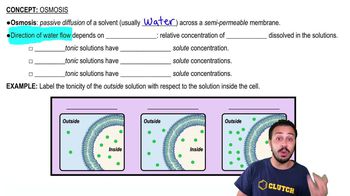
  • Osmosis
    05:59
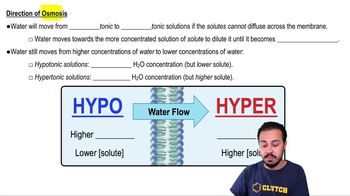
  • Direction of Osmosis
    06:48

Introduction to Energy

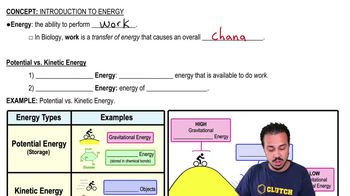
  • Introduction to Energy
    04:58

Introduction to Aerobic Cellular Respiration

  • Introduction to Cellular Respiration Example 2
    01:53
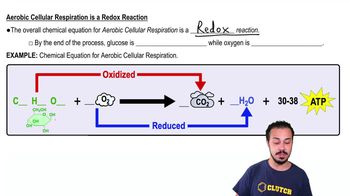
  • Aerobic Cellular Respiration is a Redox Reaction
    04:18
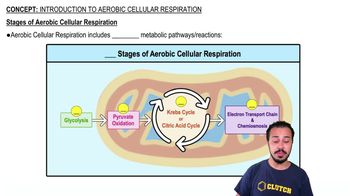
  • Stages of Aerobic Cellular Respiration
    02:31

Introduction to Photosynthesis

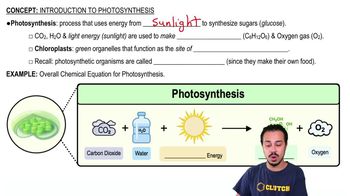
  • Introduction to Photosynthesis
    03:32
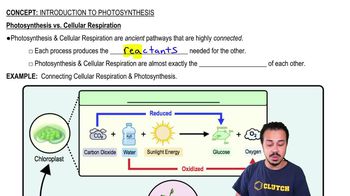
  • Photosynthesis vs. Cellular Respiration
    07:55
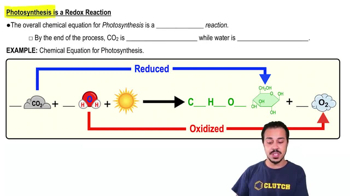
  • Photosynthesis is a Redox Reaction
    03:20

Introduction to Cell Division

  • Asexual vs. Sexual Reproduction
    04:45
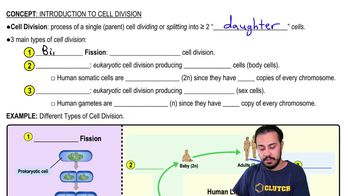
  • Introduction to Cell Division
    09:40
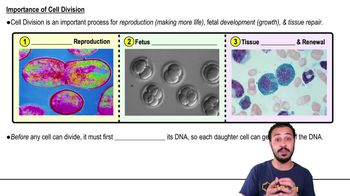
  • Importance of Cell Division
    03:19

Introduction to the Cell Cycle

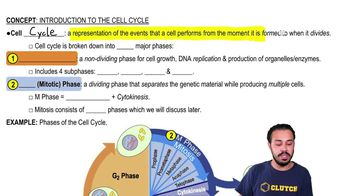
  • Introduction to the Cell Cycle
    04:46

Phases of Mitosis

  • Phases of Mitosis
    03:21
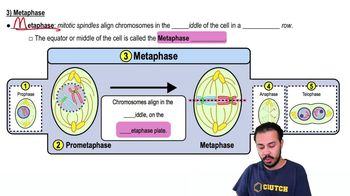
  • Metaphase
    01:58
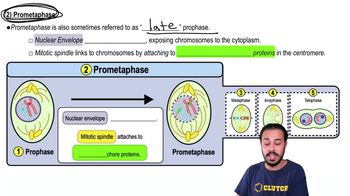
  • Prometaphase
    03:20

Introduction to Meiosis

  • Introduction to Meiosis Example 1
    01:43
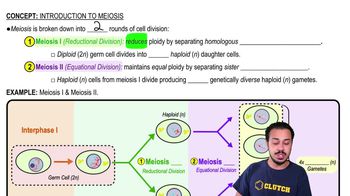
  • Meiosis I & Meiosis II
    04:49
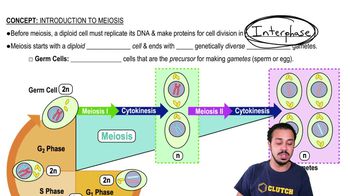
  • Introduction to Meiosis
    04:33

Genetic Variation During Meiosis

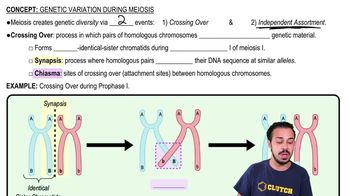
  • Genetic Variation During Meiosis
    07:08
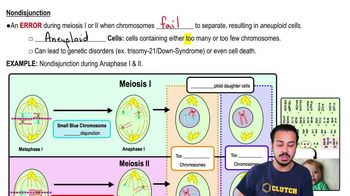
  • Nondisjunction
    05:03
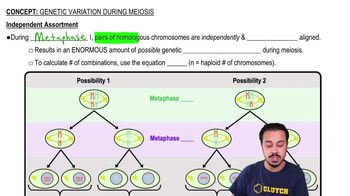
  • Independent Assortment
    08:49

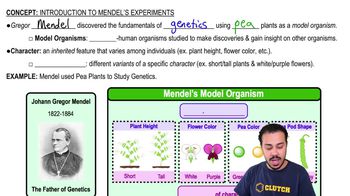
Introduction to Mendel's Experiments

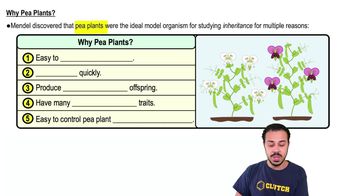
  • Why Pea Plants?
    01:58
  • Introduction to Mendel's Experiments
    03:50

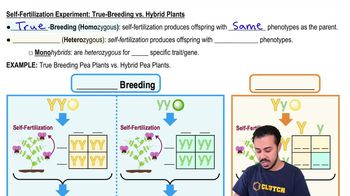
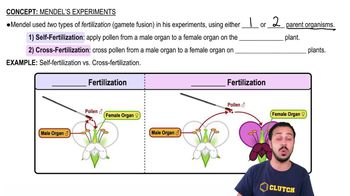
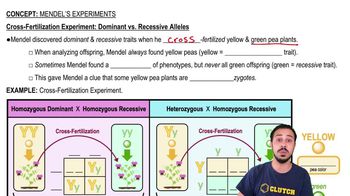
Mendel's Experiments

  • Self-Fertilization Experiment: True-Breeding vs. Hybrid Plants
    05:48
  • Mendel's Experiments
    03:02
  • Cross-Fertilization Experiment: Dominant vs. Recessive Alleles
    05:04

Mendel's Laws

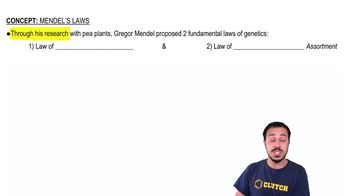
  • Mendel's Laws
    01:16
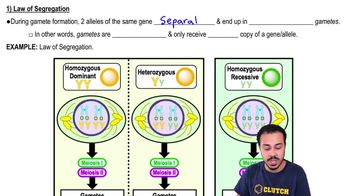
  • Law of Segregation
    03:24
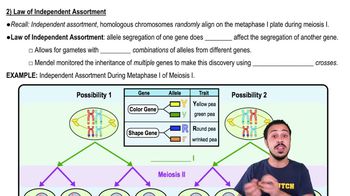
  • Law of Independent Assortment
    06:44

Introduction to DNA Replication

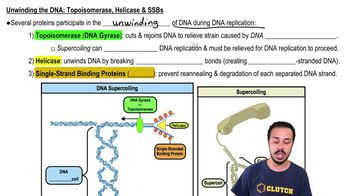
  • Unwinding the DNA: Topoisomerase, Helicase & SSBs
    05:10
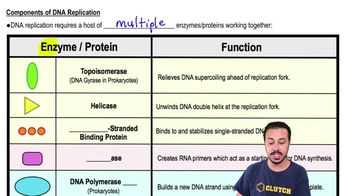
  • Components of DNA Replication
    04:47
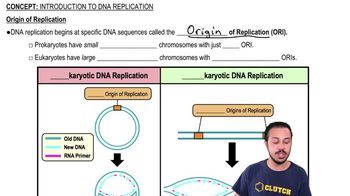
  • Origin of Replication
    03:33

Central Dogma

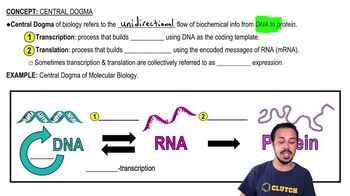
  • Central Dogma
    05:45

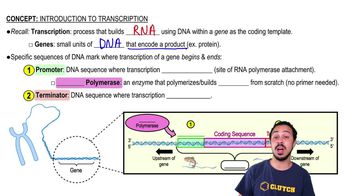
Introduction to Transcription

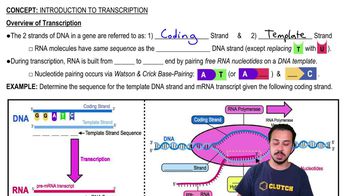
  • Overview of Transcription
    07:44
  • Introduction to Transcription
    05:51

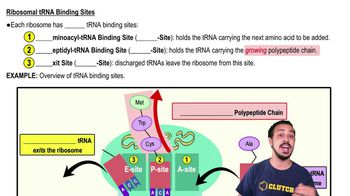
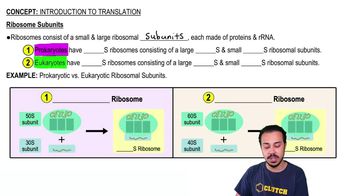
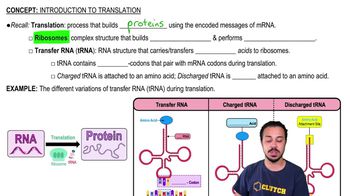
Introduction to Translation

  • Ribosomal tRNA Binding Sites
    06:16
  • Ribosome Subunits
    08:42
  • Introduction to Translation
    06:12

Mutations

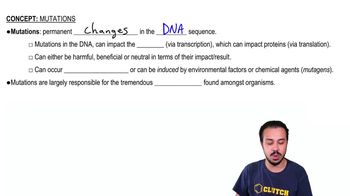
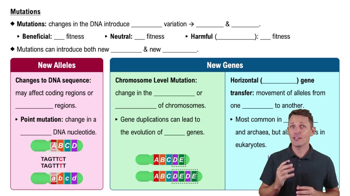
  • Mutations
    02:29
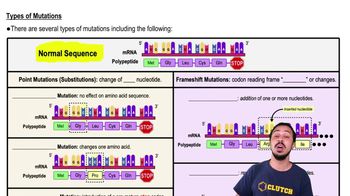
  • Types of Mutations
    08:44

Introduction to Regulation of Gene Expression

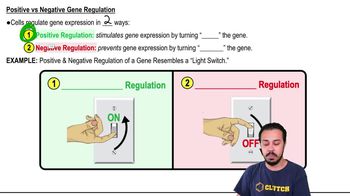
  • Positive vs Negative Gene Regulation
    02:17
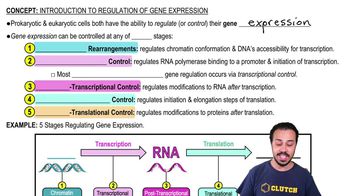
  • Introduction to Regulation of Gene Expression
    06:40

Prokaryotic Gene Regulation via Operons

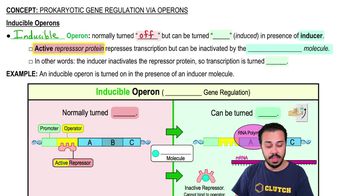
  • Inducible Operons
    04:25
  • Prokaryotic Gene Regulation via Operons
    00:53
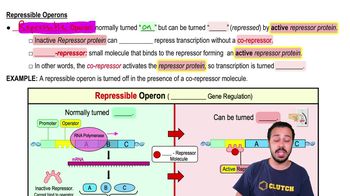
  • Repressible Operons
    03:42

The Lac Operon

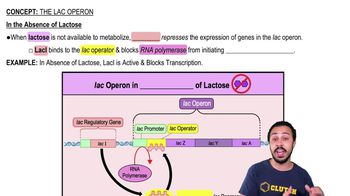
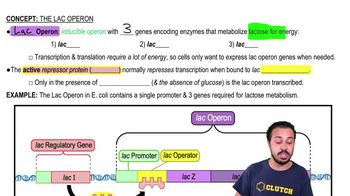
  • In the Absence of Lactose
    04:34
  • The Lac Operon
    07:06
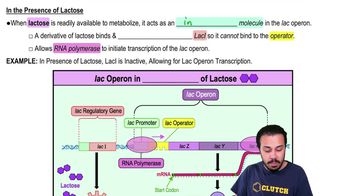
  • In the Presence of Lactose
    03:56

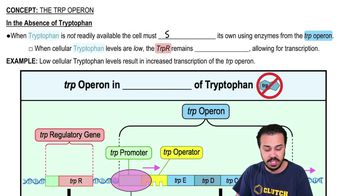
The Trp Operon

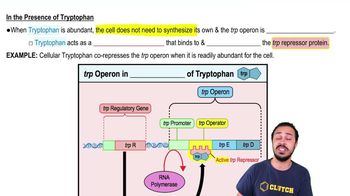
  • In the Presence of Tryptophan
    03:11
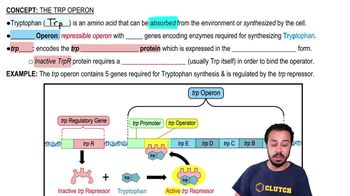
  • The Trp Operon
    05:30
  • In the Absence of Tryptophan
    03:42

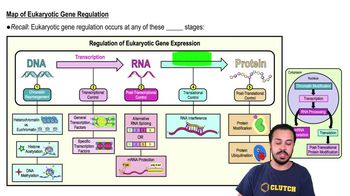
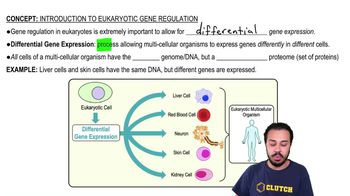
Introduction to Eukaryotic Gene Regulation

  • Map of Eukaryotic Gene Regulation
    04:22
  • Introduction to Eukaryotic Gene Regulation
    03:47

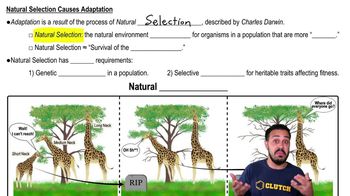
Natural Selection and Evolution

  • Natural Selection Causes Adaptation
    07:48
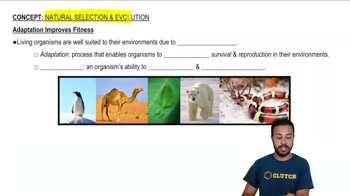
  • Adaptation Improves Fitness
    02:57
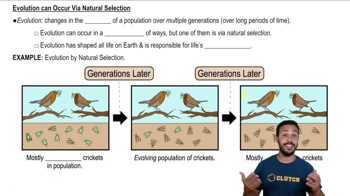
  • Evolution can Occur Via Natural Selection
    04:32

Introduction to Evolution and Natural Selection

  • Introduction to Evolution and Natual Selection Example 1
    03:22
  • Introduction to Evolution and Natual Selection Example 2
    04:28
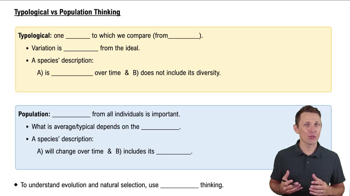
  • Typological vs. Population Thinking
    03:56

Evidence of Evolution

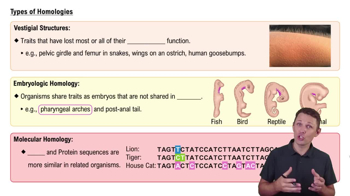
  • Types of Homologies
    04:46
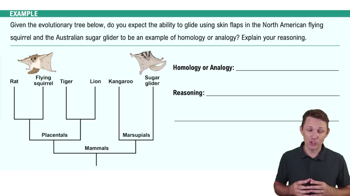
  • Evidence of Evolution Example 1
    02:27
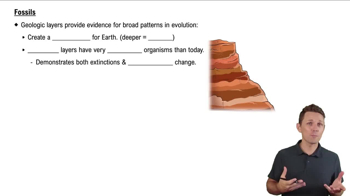
  • Fossils
    06:11

Evolution of Populations

  • Evolution of Populations Example 1
    03:33
  • Introduction to Evolution of Populations
    05:14

Genetic Variation

  • Sources of Genetic Variation
    02:16
  • Sexual Reproduction and Recombination
    05:08
  • Mutations
    06:42

Genetics and Allele Frequencies

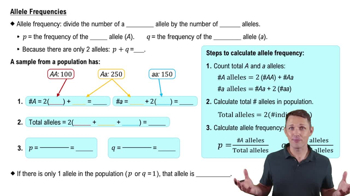
  • Allele Frequencies
    06:36
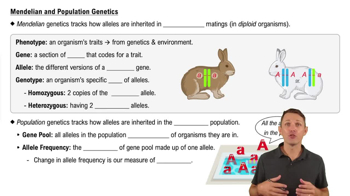
  • Mendelian and Population Genetics
    04:26
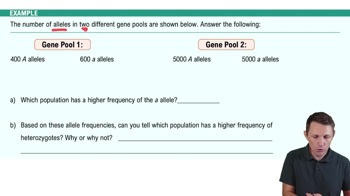
  • Genetics and Allele Frequencies Example 1
    02:56

The Hardy-Weinberg Principle

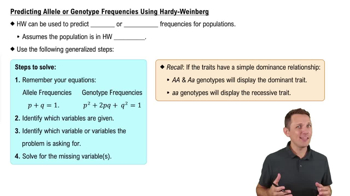
  • Predicting Allele or Genotype Frequencies Using Hardy-Weinberg
    03:31
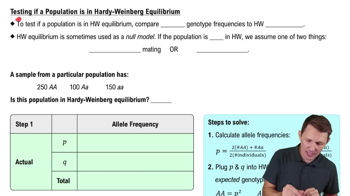
  • Testing if a Population is in Hardy-Weinberg Equilibrium
    08:26
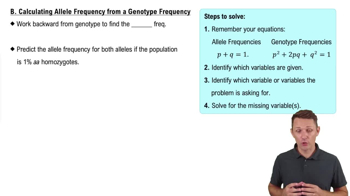
  • B. Calculating Allele Frequency from a Genotype Frequency
    03:20

Natural Selection

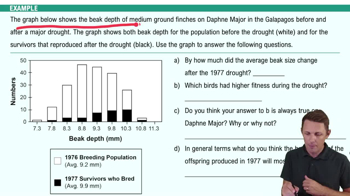
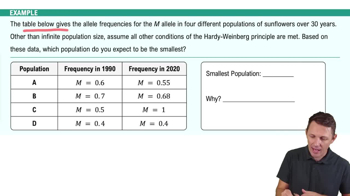
  • Natural Selection Example 2
    05:11
  • Natural Selection: Observations and Inferences
    04:12
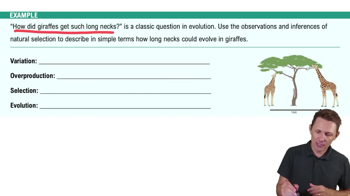
  • Natural Selection Example 1
    02:19

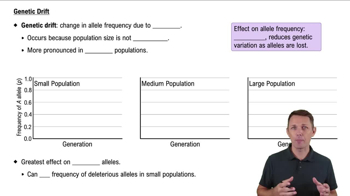
Genetic Drift

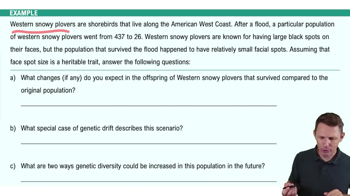
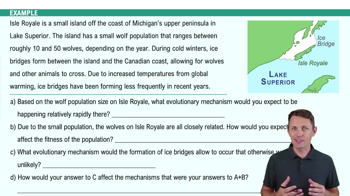
  • Genetic Drift Example 1
    02:00
  • Genetic Drift Example 2
    02:37
  • Genetic Drift
    05:06

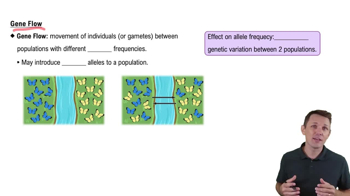
Gene Flow

  • Gene Flow Example 1
    04:34
  • Gene Flow
    01:43

Introduction to Taxonomy

  • Introduction to Taxonomy Example 2
    01:37
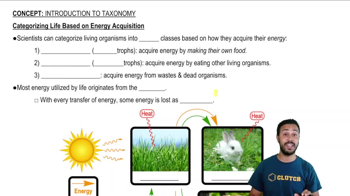
  • Categorizing Life Based on Energy Acquisition
    05:48
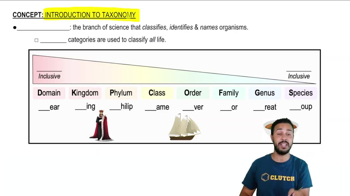
  • Introduction to Taxonomy
    02:23

Introduction to Prokaryotes

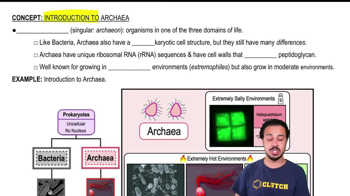
  • Introduction to Archaea
    04:39
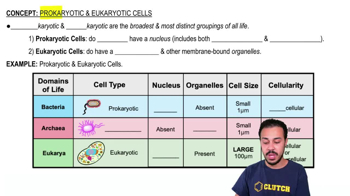
  • Prokaryotic & Eukaryotic Cells
    05:54
  • Features of Bacterial Cells
    03:54

Prokaryotic Cell Structure

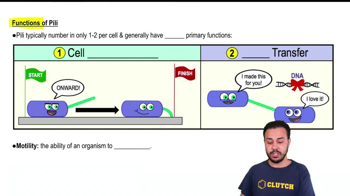
  • Functions of Pili
    01:46
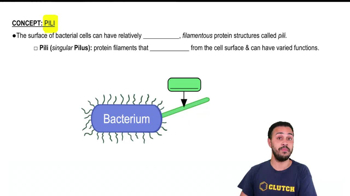
  • Pili
    01:02
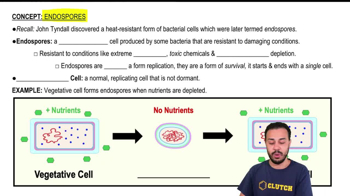
  • Endospores
    05:35
Prokaryotic Reproduction

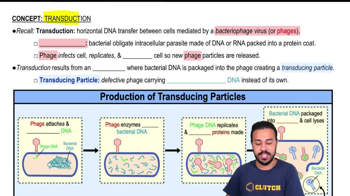
  • Transduction
    06:49
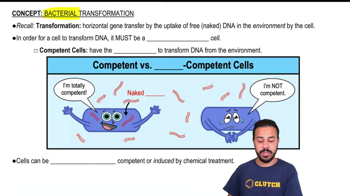
  • Bacterial Transformation
    03:06
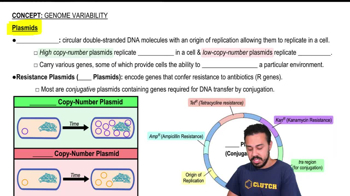
  • Plasmids
    04:44

Prokaryotic Diversity

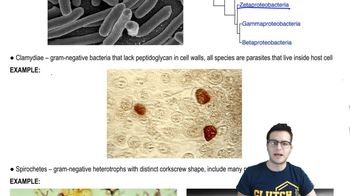
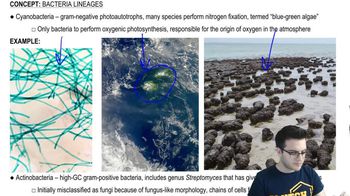
  • Prokaryote Lineages 1
    03:51
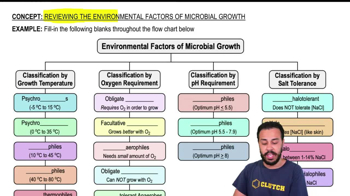
  • Reviewing the Environmental Factors of Microbial Growth
    07:21
  • Prokaryote Lineages 2
    05:13

Introduction to Ecology

  • Levels of Ecological Study
    05:01
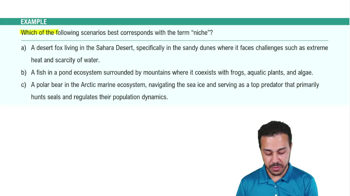
  • Introduction to Ecology Example 1
    02:31
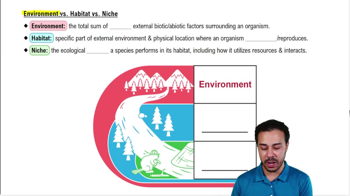
  • Environment vs. Habitat vs. Niche
    01:57

Introduction to Population Ecology

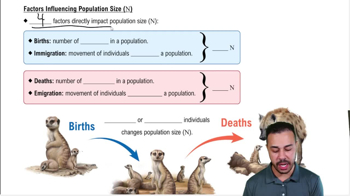
  • Factors Affecting Population Size (N)
    01:48
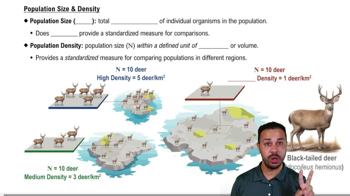
  • Population Size & Density
    01:52
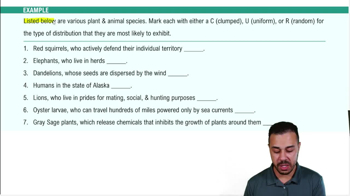
  • Introduction to Population Ecology Example 3
    01:51

Introduction to Community Ecology

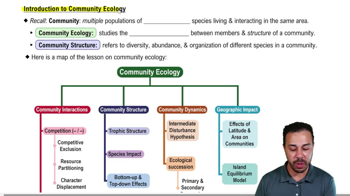
  • Introduction to Community Ecology
    02:03

Introduction to Ecosystems

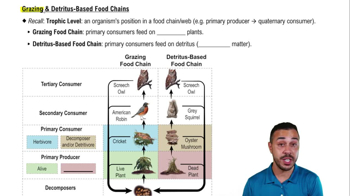
  • Grazing & Detritus-Based Food Chains
    03:29
  • Introduction to Ecosystems Example 2
    01:57
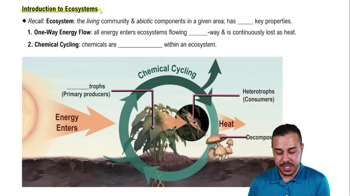
  • Introduction to Ecosystems
    04:07

Conservation Biology

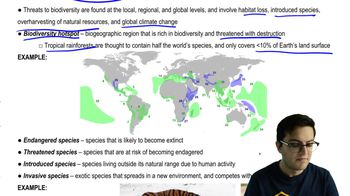
  • Biodiversity Hotspots and Endangered Species
    04:32
  • Biodiversity and Sustainability
    05:06
  • Pollution and Climate Change
    03:36