 Back
Introduction to Biology: Properties of Life, Biomolecules, and Cell Types
Study Guide - Smart Notes
 Tailored notes based on your materials, expanded with key definitions, examples, and context.
Introduction to Biology
What Is Biology?
Biology is the scientific study of life and living organisms. It seeks to understand the structure, function, growth, origin, evolution, and distribution of living things. Scientists and philosophers have proposed several definitions of life, but all emphasize the unique qualities that distinguish living from non-living matter.
Life is a self-sustained chemical system capable of undergoing Darwinian evolution.
It is a self-replicating, evolving system based on organic chemistry.
Life distinguishes a vital and functional being from a dead body.
Fundamental Properties of Life
All living things share several essential properties that define life:
Membrane delimited: Living things are separated from their environment by a membrane.
Cellular organization: All life is made up of cells.
Information storage and use: Life stores and follows genetic instructions (DNA/RNA).
Energy utilization: Life stores and uses energy to perform work.
Self-replication: Life can reproduce itself.
Response to environment: Life controls its functions and responds to environmental changes.
Evolution: Life evolves over generations.
Biomolecules: The Chemical Basis of Life
Main Classes of Biomolecules
Biomolecules are essential for supporting the properties of life. The four main classes are:
Lipids: Form membranes and store energy.
Carbohydrates: Provide energy and structural support.
Nucleic Acids: Store and transmit genetic information.
Proteins: Perform a wide variety of cellular functions, including catalysis, structure, and regulation.
Lipids and Membranes
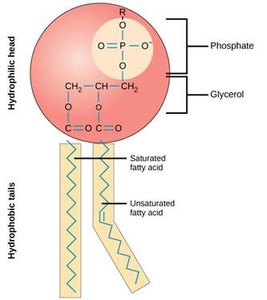
Lipids are hydrophobic molecules that form the selectively permeable barriers of cells, known as membranes. Their structure allows them to separate the internal environment of the cell from the external environment.
Nucleic Acids: Information Storage and Transmission
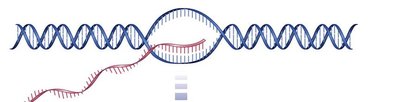
Nucleic acids, such as DNA and RNA, are polymers of nucleotides. They store and transmit genetic information necessary for the growth, development, and reproduction of organisms.
DNA (Deoxyribonucleic acid): Stores genetic instructions.
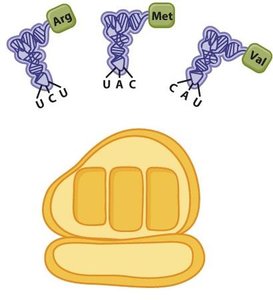
RNA (Ribonucleic acid): Involved in translating genetic information into proteins.
Carbohydrates: Energy and Structure
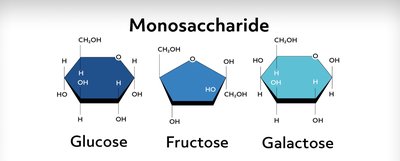
Carbohydrates are composed of monosaccharides (simple sugars) and serve as energy sources and structural components in cells.
Monosaccharides: Glucose, fructose, galactose
Disaccharides: Sucrose, lactose
Polysaccharides: Starch, glycogen, cellulose
Proteins: Structure and Function
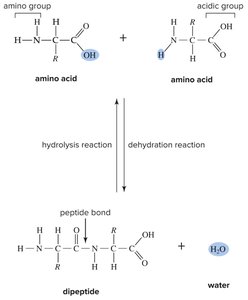
Proteins are polymers of amino acids and are responsible for a vast array of cellular functions, including catalysis (enzymes), structure, transport, and response to stimuli.
Enzymes: Catalyze biochemical reactions.
Structural proteins: Provide support and shape to cells.
Transport proteins: Move substances across membranes.
Signaling proteins: Respond to environmental changes.
Energy and Metabolism
Energy Storage and Use
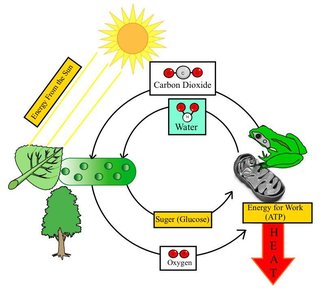
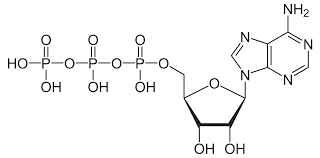
Living organisms must capture, store, and use energy to maintain order and perform cellular work. Energy is often stored in the form of ATP (adenosine triphosphate), which is used to power cellular processes.
Energy can be derived from sunlight (photosynthesis) or organic compounds (cellular respiration).
Cells: The Basic Unit of Life
Definition and Properties of Cells
The cell is the smallest unit of life that exhibits all the properties of living things. All organisms are composed of one or more cells, which can be classified as prokaryotic or eukaryotic.
Prokaryotic cells: Lack a nucleus and membrane-bound organelles; include bacteria and archaea.
Eukaryotic cells: Have a nucleus and membrane-bound organelles; include plants, animals, fungi, and protists.
Prokaryotic Cells
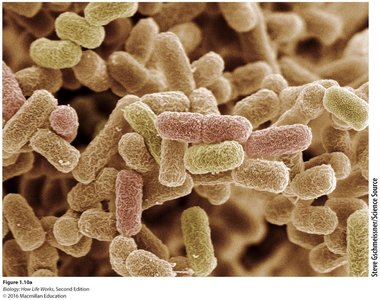
Prokaryotic cells are simpler and smaller than eukaryotic cells. They have circular DNA, no nucleus, and typically lack membrane-bound organelles. They replicate quickly and efficiently.
Eukaryotic Cells
Eukaryotic cells are more complex, containing a true nucleus and various organelles that compartmentalize cellular functions.
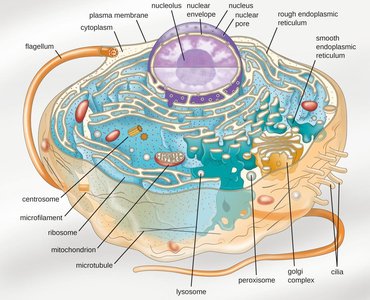
Comparison of Prokaryotic and Eukaryotic Cells
Feature | Prokaryotic Cells | Eukaryotic Cells |
|---|---|---|
Nucleus | Absent | Present |
DNA Structure | Circular | Linear, in chromosomes |
Organelles | Few or none | Many, membrane-bound |
Size | 0.1–5 microns | 10–100 microns |
Examples | Bacteria, Archaea | Plants, Animals, Fungi, Protists |
Evolution: The Change in Life Over Time
Evolution as a Property of Life
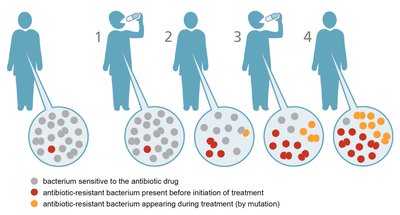
Evolution is the change in the heritable characteristics of biological populations over successive generations. It is a fundamental property of life and explains the diversity of living organisms.
Summary Table: Properties of Life and Supporting Biomolecules
Property of Life | Supporting Biomolecule(s) |
|---|---|
Membrane delimited | Lipids |
Information storage and transmission | Nucleic Acids |
Energy storage and use | Carbohydrates, Lipids, ATP |
Self-replication | Nucleic Acids, Proteins |
Response to environment | Proteins |
Evolution | Nucleic Acids (heritable information) |
