 Back
Introduction to Biology: Properties of Life, Biomolecules, and Cell Types
Study Guide - Smart Notes
 Tailored notes based on your materials, expanded with key definitions, examples, and context.
Introduction: The Science of Biology
Biology is the scientific study of life and living organisms. It seeks to understand the fundamental principles that govern the structure, function, growth, origin, evolution, and distribution of living things. The definition of life has been debated by scientists and philosophers, but several core properties are widely accepted as essential for life.
Defining Life: Fundamental Properties
Key Properties of Life
Cellular Organization: All living things are composed of one or more cells, which are considered the basic units of life.
Information Storage and Transmission: Life stores genetic information (usually in the form of DNA) and transmits it to the next generation.
Energy Utilization: Living organisms acquire and use energy to maintain order and carry out cellular processes.
Self-Replication: Life has the ability to reproduce, making new organisms or cells.
Response to Environment: Organisms can sense and respond to environmental changes.
Evolution: Populations of living organisms evolve over generations through changes in heritable traits.
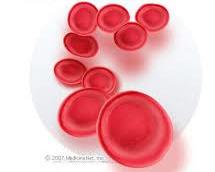
Example: A mature red blood cell lacks a nucleus and mitochondria, so it cannot divide or replicate its DNA, but it is still considered a cell because it originated from a cell that had all properties of life.
Biomolecules: The Chemical Basis of Life
Four major classes of biomolecules support the properties of life. Each plays a unique role in cellular structure and function.
Lipids
Function: Form biological membranes, store energy, and provide insulation.
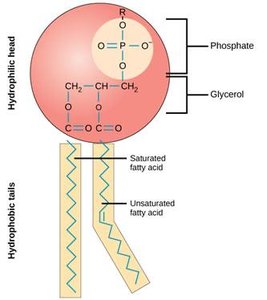
Structure: Composed mainly of carbon, hydrogen, and oxygen; hydrophobic in nature.
Example: Phospholipids are the main component of cell membranes, creating a selectively permeable barrier.
Carbohydrates
Function: Serve as energy sources and structural components.
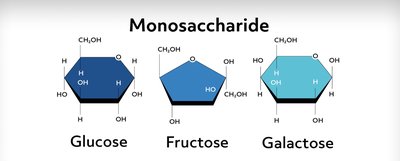
Structure: Made of monosaccharides (simple sugars) that can form polysaccharides (complex carbohydrates).
Example: Glucose is a primary energy source for cells.
Nucleic Acids
Function: Store and transmit genetic information.
Types: DNA (deoxyribonucleic acid) and RNA (ribonucleic acid).
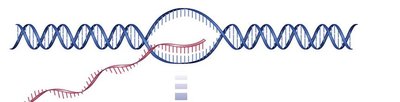
Example: DNA encodes instructions for building proteins; RNA is involved in protein synthesis.
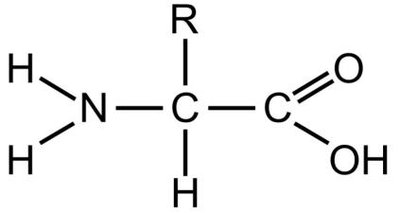
Proteins
Function: Catalyze biochemical reactions (enzymes), provide structure, transport molecules, and regulate processes.
Structure: Polymers of amino acids folded into specific three-dimensional shapes.
Example: Enzymes like ATP synthase facilitate energy conversion in cells.
Cells: The Basic Unit of Life
Cells are the smallest units that exhibit all the properties of life. All organisms are composed of one or more cells, which can be classified as prokaryotic or eukaryotic.
Prokaryotic Cells
Domains: Bacteria and Archaea
Characteristics:
No nucleus; DNA is circular and located in the nucleoid region
Generally small (0.1–5 microns)
Lack membrane-bound organelles
Replicate quickly

Eukaryotic Cells
Domains: Protists, Fungi, Plants, Animals
Characteristics:
Contain a nucleus with linear DNA (chromosomes)
Possess membrane-bound organelles (e.g., mitochondria, endoplasmic reticulum)
Larger in size (1–100 microns)
Are Viruses Alive?
Viruses exhibit some but not all properties of life. They contain genetic material and can evolve, but they lack cellular structure, do not metabolize energy independently, and require host cells to replicate. Thus, whether viruses are considered alive is debated in biology.
Summary Table: Properties of Life and Biomolecules
Property of Life | Supporting Biomolecule(s) | Example |
|---|---|---|
Membrane delimited | Lipids | Phospholipid bilayer of cell membrane |
Information storage & transmission | Nucleic Acids | DNA, RNA |
Energy storage & use | Carbohydrates, Lipids, Proteins | Glucose metabolism, ATP production |
Self-replication | All biomolecules | Cell division, DNA replication |
Response to environment | Proteins | Receptor proteins, enzymes |
Evolution | Nucleic Acids | Genetic variation and inheritance |
Class Recap/Objectives
Understand the definition and properties of life
Identify the four major classes of biomolecules and their roles
Recognize cells as the fundamental units of life
Distinguish between prokaryotic and eukaryotic cells
Discuss the debate on whether viruses are alive
