 Back
BackIntroduction to Biology: Properties of Life, Biomolecules, and Cell Types
Study Guide - Smart Notes
 Tailored notes based on your materials, expanded with key definitions, examples, and context.
What Is Biology?
The Science of Life
Biology is the scientific study of life and living organisms. It seeks to understand the fundamental principles that govern living systems, from the molecular to the ecosystem level. Scientists and philosophers have proposed several definitions of life, but all emphasize the unique properties that distinguish living things from non-living matter.
Life is a self-sustained chemical system capable of undergoing Darwinian evolution.
Life is a self-replicating, evolving system based on organic chemistry.
Life is the quality that distinguishes a vital and functional being from a dead body.
Properties of Life
Essential Characteristics of Living Organisms
All living things share a set of fundamental properties that define life. These properties are supported by specific biomolecules and cellular structures.
Membrane delimited: Living things are separated from their environment by a membrane.
Cellular organization: All life is made up of cells, the basic units of structure and function.
Information storage and transmission: Life stores genetic information and follows instructions (e.g., DNA).
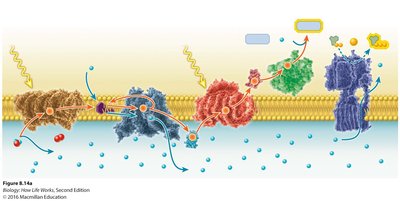
Energy utilization: Life stores and uses energy to perform work.
Self-replication: Life can reproduce itself.
Response to environment: Life controls its functions and responds to environmental changes.
Evolution: Life evolves over generations through changes in heritable traits.
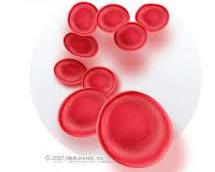
Some specialized cells, such as mature red blood cells, may lack certain properties (e.g., DNA or mitochondria), but the organism as a whole retains all characteristics of life.
Biomolecules Supporting Life
Main Classes of Biomolecules
Four major classes of biomolecules are essential for supporting the properties of life:
Lipids: Form membranes, store energy, and provide insulation.
Carbohydrates: Serve as energy sources and structural components.
Nucleic Acids: Store and transmit genetic information (DNA, RNA).
Proteins: Catalyze biochemical reactions, provide structure, and regulate processes.
Nucleic Acids: Information Storage and Transmission
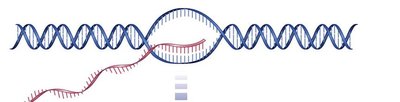
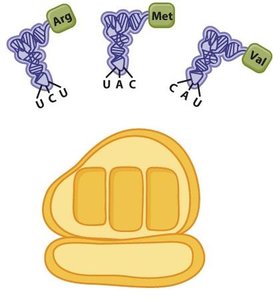
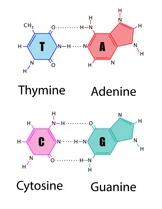
Nucleic acids, such as DNA and RNA, are responsible for storing and transmitting genetic information. DNA encodes instructions for building proteins, while various forms of RNA (mRNA, tRNA, rRNA) are involved in protein synthesis.
Self-Replication
All biomolecules facilitate the process of self-replication, allowing life to reproduce and pass on genetic information to the next generation.
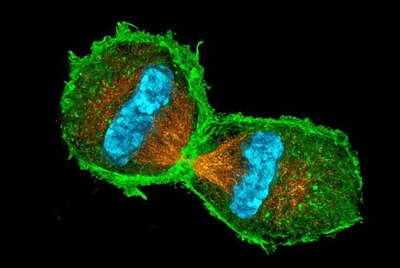
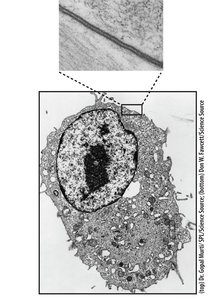
Membrane Delimitation: The Role of Lipids
Lipids are crucial for forming selectively permeable membranes that compartmentalize the cell and separate it from the environment. The amphipathic nature of phospholipids (having both hydrophilic and hydrophobic regions) makes them ideal for this function.
Lipids also serve as energy reserves and provide insulation.
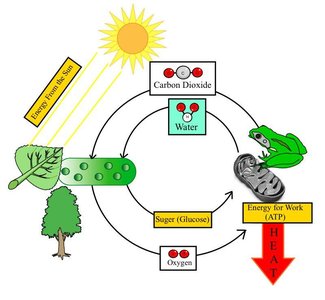
Energy Storage and Utilization
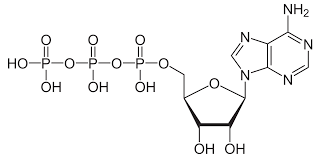
Life requires energy to perform cellular work. Energy can be derived from sunlight (photosynthesis) or organic compounds (carbohydrates, lipids, proteins). Cells convert energy into ATP (adenosine triphosphate), a nucleic acid that powers cellular processes.
Monomers and Polymers
Biomolecules are often built from smaller units (monomers) that join to form larger structures (polymers):
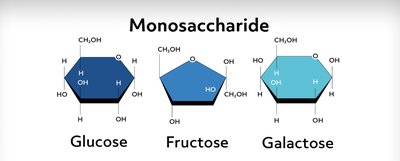
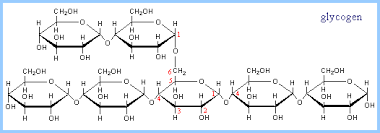
Carbohydrates: Monosaccharides (e.g., glucose) form polysaccharides (e.g., glycogen).
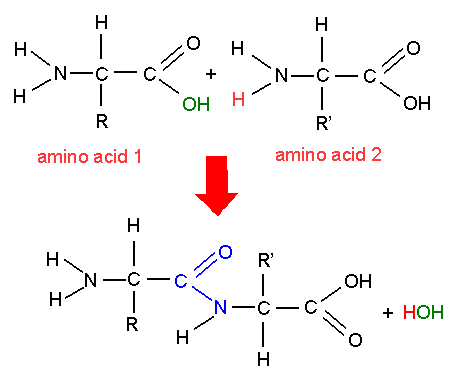
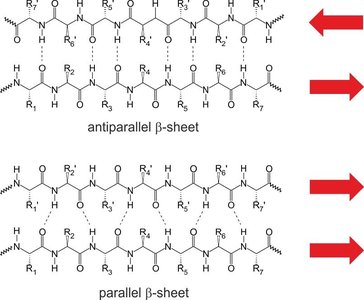
Amino acids: Link to form proteins (polypeptides).
Proteins: Control and Response
Proteins are responsible for controlling cellular functions and enabling organisms to respond to their environment. They act as enzymes, receptors, transporters, and structural components.
Evolution
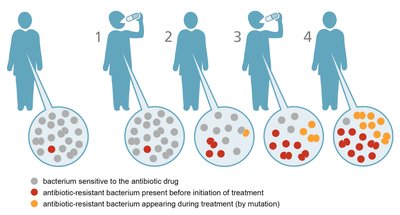
Evolution is the change in heritable characteristics of biological populations over successive generations. It is a fundamental property of life, driven by genetic variation and natural selection.
The Cell: The Basic Unit of Life
Definition and Essential Features
The cell is the smallest unit that meets all the properties of life. All organisms are composed of one or more cells, which carry out the essential functions necessary for survival and reproduction.
Types of Cells
Cells are classified into two main types based on their structural features:
Feature | Prokaryotic Cells | Eukaryotic Cells |
|---|---|---|
Nucleus | No (nucleoid region) | Yes (membrane-bound) |
DNA Structure | Circular | Linear (chromosomes) |
Size | 0.1–5 microns | 1–100 microns |
Membrane-bound Organelles | Usually absent | Present |
Examples | Bacteria, Archaea | Protozoa, Fungi, Plants, Animals |

Are Viruses Alive?
Viruses exhibit some but not all properties of life. They can store and transmit information, evolve, and respond to their environment, but they lack independent metabolism and cannot self-replicate without a host cell. Thus, their status as living entities is debated.
Class Recap and Objectives
Practice designing experimental controls
Understand that the definition of "living" can vary
Recognize the course definition of life
Identify the four main biomolecules and their roles
Know that cells are the fundamental units of life
Distinguish between types of cells (prokaryotic vs. eukaryotic)
