 Back
Introduction to Biology: Properties of Life, Biomolecules, and Cell Types
Study Guide - Smart Notes
 Tailored notes based on your materials, expanded with key definitions, examples, and context.
Introduction to Biology
What Is Biology?
Biology is the scientific study of life and living organisms. It seeks to understand the structure, function, growth, origin, evolution, and distribution of living things. Scientists and philosophers have proposed several definitions of life, but all emphasize the ability to sustain and replicate, respond to the environment, and evolve over time.
Life is a self-sustained chemical system capable of undergoing Darwinian evolution.
Life is a self-replicating, evolving system based on organic chemistry.
Life distinguishes a vital and functional being from a dead body.
Fundamental Properties of Life
All living things share several essential properties that distinguish them from non-living matter:
Membrane delimited: Surrounded by a boundary that separates the internal environment from the external.
Cellular organization: Composed of one or more cells.
Information storage and transmission: Contains genetic material (DNA or RNA) that guides function and replication.
Energy transformation: Acquires and uses energy to maintain order and support activities.
Self-replication: Capable of reproduction.
Response to environment: Senses and reacts to stimuli.
Evolution: Populations change over generations through heritable variation.
Examples and Exceptions
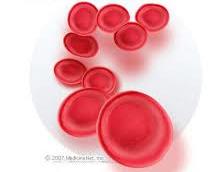
Mature red blood cells in mammals lack DNA and mitochondria, so they do not divide or replicate, but are still considered part of a living organism.
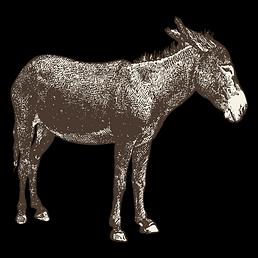
Mules are living but cannot reproduce, showing that not all properties must be present in every individual.
Main Biomolecules Supporting Life
Overview of Biomolecules
Four major classes of biomolecules are essential for life. Each plays a unique role in supporting the properties of living systems:
Lipids: Form membranes, store energy, and provide insulation.
Carbohydrates: Serve as energy sources and structural components.
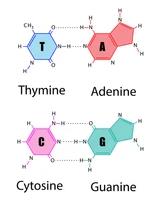
Nucleic Acids: Store and transmit genetic information (DNA, RNA).
Proteins: Catalyze reactions, provide structure, and regulate processes.
Nucleic Acids: Information Storage and Transmission
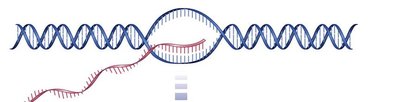
Nucleic acids (DNA and RNA) are polymers that store and transmit genetic information. DNA holds the instructions for building proteins, while RNA helps translate these instructions into cellular functions.
DNA (Deoxyribonucleic acid): Stores genetic information in the sequence of its bases (A, T, C, G).
mRNA (messenger RNA): Carries genetic instructions from DNA to ribosomes for protein synthesis.
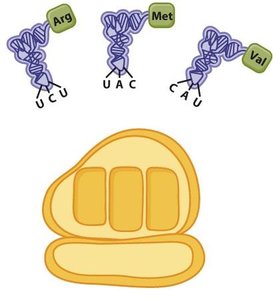
tRNA (transfer RNA): Brings amino acids to the ribosome during translation.
rRNA (ribosomal RNA): Forms the core of ribosome structure and catalyzes protein synthesis.
Lipids: Membrane Structure and Energy Storage
Lipids are hydrophobic molecules that form the structural basis of cell membranes, creating a selectively permeable barrier. They also serve as energy reserves and provide insulation.
Phospholipids form bilayers that make up cell membranes.
Triglycerides store energy in fat cells.
Carbohydrates: Energy and Structure
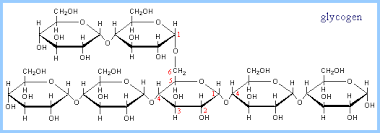
Carbohydrates are sugars and polymers of sugars. They are primary energy sources for cells and also serve structural roles in plants and some animals.
Monosaccharides (e.g., glucose) are simple sugars.
Polysaccharides (e.g., glycogen, cellulose) are long chains of monosaccharides.
Proteins: Catalysis, Structure, and Regulation
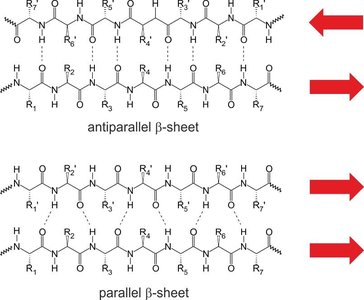
Proteins are polymers of amino acids that perform a vast array of functions, including catalyzing biochemical reactions (enzymes), providing structural support, and regulating cellular processes.
Enzymes accelerate chemical reactions.
Structural proteins provide support (e.g., collagen).
Transport proteins move substances across membranes.
Cells: The Basic Unit of Life
Definition and Essential Features
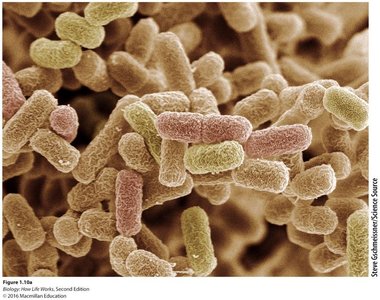
The cell is the smallest unit that meets all the properties of life. All organisms are composed of one or more cells, which carry out the essential functions of life.
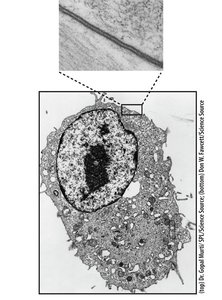
Cells are membrane-bound compartments containing biomolecules.
They store and use genetic information, transform energy, and respond to their environment.
Types of Cells
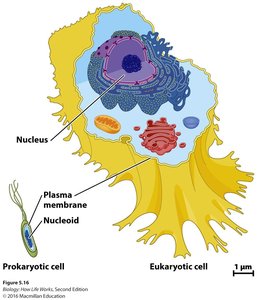
Cells are classified into two main types: prokaryotic and eukaryotic.
Feature | Prokaryotic Cells | Eukaryotic Cells |
|---|---|---|
Nucleus | No nucleus | Has nucleus |
DNA | Circular DNA | Linear DNA (chromosomes) |
Size | 0.1–5 microns | 1–100 microns |
Organelles | Few or none, not membrane-bound | Many, membrane-bound |
Examples | Bacteria, Archaea | Plants, Animals, Fungi, Protists |
Are Viruses Alive?
Viruses occupy a gray area between living and non-living. They have genetic material and can evolve, but lack cellular structure and cannot replicate or carry out metabolism independently.
Membrane delimited: Sometimes, only inside host cells.
Store and follow instructions: Yes (genetic material).
Store energy: No; Use energy: Yes (from host).
Self-replicating: Only with host machinery.
Respond to environment: Yes, to some extent.
Evolve: Yes.
Summary and Course Objectives
Practice designing controls in experiments.
Understand that the definition of "living" can vary.
Know the course definition of life and its properties.
Recognize the four main biomolecules and their roles.
Understand that cells are the fundamental units of life.
Be able to compare prokaryotic and eukaryotic cells.
