 Back
Introduction to Biology: Structure, Function, and Chemistry of Life
Study Guide - Smart Notes
 Tailored notes based on your materials, expanded with key definitions, examples, and context.
Course Overview
This course, Intro Bio I (BIOL UN2005/2401), provides a comprehensive introduction to the fundamental principles of biology, focusing on the molecular and cellular basis of life. The curriculum covers the structure and function of biological macromolecules, cell structure, metabolism, genetics, and the chemical foundations essential for understanding biological processes.
Course Description and Objectives
Understand the chemical and physical principles underlying biological systems.
Describe the structure and function of cells and their components.
Explain the flow of genetic information and the mechanisms of heredity.
Analyze the processes of metabolism, energy transformation, and biosynthesis.
Develop scientific reasoning and quantitative skills relevant to biology.
Course Structure and Resources
Lectures, recitations, and problem-solving sessions.
Required reading: Learner’s Manual (provided as PDF or hardcopy).
Recommended textbook: Campbell Biology, 13th edition (not required).
Online resources: CourseWorks/Canvas for announcements, materials, and lecture recordings.
Office hours and additional help sessions available for all students.
Grading and Policies
Grading is based on exams, quizzes, recitation participation, and extra credit opportunities.
Attendance and participation in recitations are mandatory for undergraduates.
Accommodations are available for students with disabilities.
Course Schedule (Selected Topics)
Lecture | Topic |
|---|---|
1 | Exponential growth, water, and functional groups |
2 | Chemical bonds, macromolecules, and cell structure |
3 | Lipids and polysaccharides |
4 | Proteins and amino acids |
5 | Nucleic acids and the flow of genetic information |
... | Further topics include membranes, metabolism, genetics, and evolution |
Key Concepts in General Biology
Characteristics of Living Things
Complex Structure and Composition: Living organisms are composed of a vast array of molecules, each with specific functions.
Metabolism: The sum of all chemical reactions that occur within an organism, enabling interaction with the environment.
Reproduction: The ability to duplicate the complex, metabolizing structure of life.
Approaches to Studying Biology
Comparative Approach: Studying differences among organisms to understand biological diversity (e.g., Darwin’s finches).
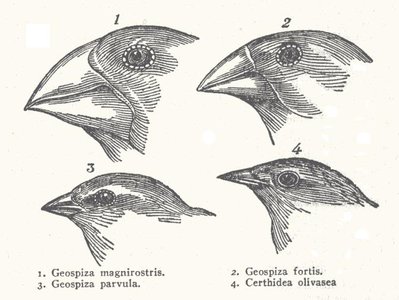
Reductionist Approach: Simplifying biological questions to their fundamental units, such as the cell.
Cell Theory
All living things are made up of cells or their by-products.
All cells arise from pre-existing cells through growth and division.
Cells contain a plasma membrane, cytoplasm, and (in eukaryotes) a nucleus and organelles.
Prokaryotic vs. Eukaryotic Cells
Prokaryotes: Unicellular organisms without a nucleus (e.g., Escherichia coli).
Eukaryotes: Organisms with a nucleus and membrane-bound organelles (e.g., plants, animals, fungi).
Exponential Growth of Cells
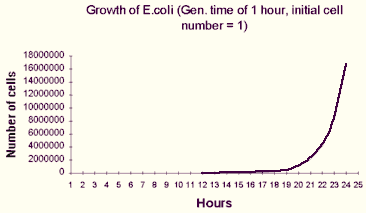
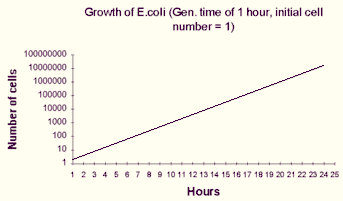
Cell populations grow exponentially under ideal conditions, described by the equation:
where is the final number of cells, is the initial number, and is the number of generations.
Chemical Foundations of Biology
Atoms and Bonds: Atoms form molecules via covalent, ionic, hydrogen, and van der Waals bonds.
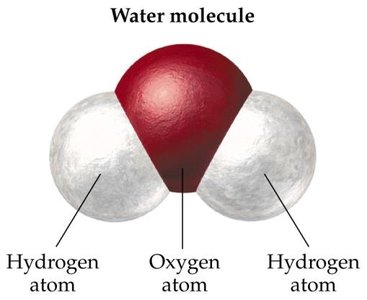
Water: Essential for life, water is a polar molecule capable of forming hydrogen bonds.
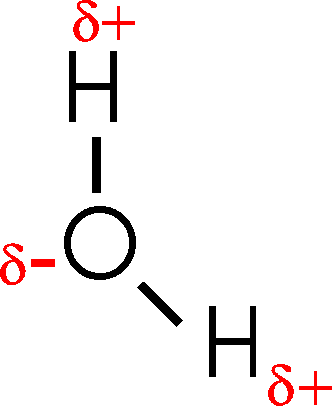
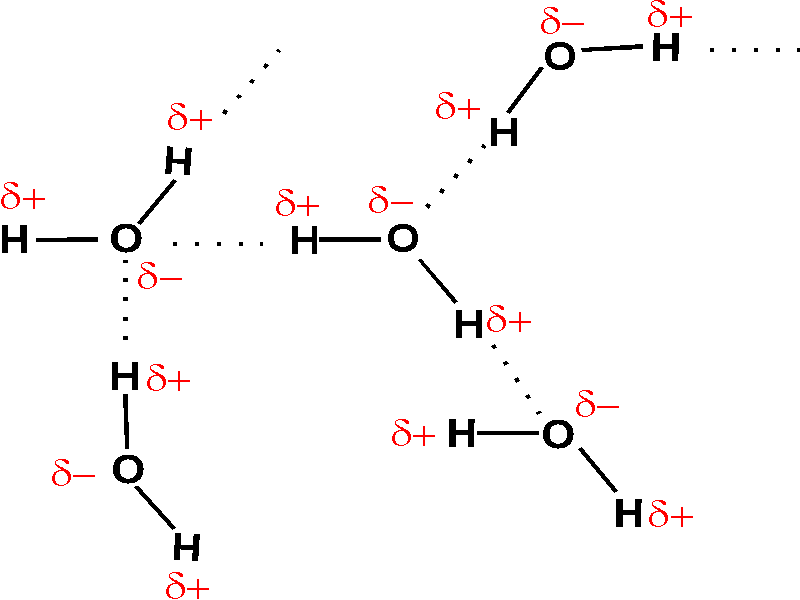
Functional Groups: Specific groups of atoms within molecules that confer characteristic chemical properties (e.g., hydroxyl, amide, carboxyl, amine).
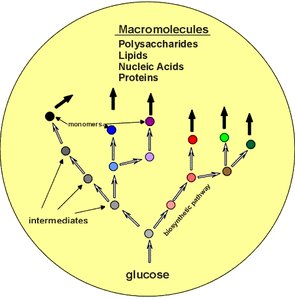
Macromolecules and Their Monomers
Polysaccharides: Polymers of sugars (e.g., cellulose, starch).
Lipids: Hydrophobic molecules, including fats and phospholipids, essential for membrane structure.
Nucleic Acids: DNA and RNA, polymers of nucleotides, store and transmit genetic information.
Proteins: Polymers of amino acids, perform a vast array of cellular functions.
Biological Membranes
Composed primarily of phospholipid bilayers, which create hydrophobic barriers essential for cellular compartmentalization.
Study and Success Strategies
Attend lectures and recitations regularly.
Utilize office hours and peer discussion for clarification.
Engage with the Learner’s Manual and recommended readings.
Practice quantitative and conceptual problem-solving.
Additional Information
Extra credit opportunities are available (e.g., exam reflections, attendance, population genetics taste test).
Course policies, grading scale, and accommodations are detailed in the syllabus and on CourseWorks/Canvas.
