 Back
Chapter 1: Introduction to Biology - Unifying Themes and Foundations
Study Guide - Smart Notes
 Tailored notes based on your materials, expanded with key definitions, examples, and context.
How to Succeed in Foundational Biology
Developing Effective Study Habits
Success in biology requires both academic discipline and personal well-being. Students are encouraged to cultivate healthy habits and a strong ethical foundation to maximize learning outcomes.
Adequate Sleep & Exercise: Physical health supports cognitive function and memory.
Healthy Diet: Nutrition impacts energy levels and brain performance.
Integrity & Motivation: Strive for honesty and regularly examine your motives for studying.
Time Management: Careful planning and prioritization are essential for mastering complex material.
Self-Quizzing: Use spaced and varied self-testing rather than passive rereading to achieve mastery.
Key Principle: Familiarity with material does not equal mastery; active engagement is necessary for deep understanding.

Responsible Use of Electronics in the Classroom
Maintaining Focus and Respect
Electronic devices should be used responsibly to avoid distractions and maintain a productive learning environment.
Stay On Task: Use devices only for class-related activities.
Respect Others: Avoid texting, phone calls, or unrelated internet use during lectures.

What Makes Something a Living Organism?
Characteristics of Life
Biologists define life based on a set of shared characteristics that distinguish living organisms from non-living matter.
Order: Organized structure, from molecules to cells.
Regulation: Ability to maintain internal stability (homeostasis).
Response to Environment: Reacting to stimuli.
Energy Processing: Obtaining and using energy for growth and maintenance.
Reproduction: Producing new individuals.
Growth & Development: Systematic changes over the life cycle.
Adaptation Through Time: Evolutionary change in populations.
Living organisms are classified hierarchically:
Domain (largest)
Kingdom
Phylum
Class
Order
Family
Genus
Species (smallest)

Unifying Themes in Biology I: Evolution and Adaptation
Natural Selection as a Mechanism
Evolution is a central theme in biology, explaining the diversity and adaptation of life. Natural selection is the primary mechanism by which populations change over time.
Variation: Individuals in a population vary in traits.
Overproduction & Competition: More offspring are produced than can survive, leading to competition.
Differential Survival: Individuals best adapted to their environment are more likely to survive and reproduce.
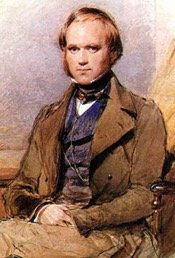
Example: The theory of natural selection was first articulated in 1859.
Unifying Themes in Biology II: Levels of Biological Organization
Hierarchy and Emergent Properties
Biological systems are organized into a hierarchy, with each level exhibiting emergent properties not present at lower levels.
Atoms
Molecules
Organelles
Cells
Tissues
Organs
Organ Systems
Organisms
Populations
Communities
Ecosystems
Biosphere
Emergent Properties: New characteristics arise at each level due to the interactions of components.
Structure and Function are Correlated
Form Follows Function
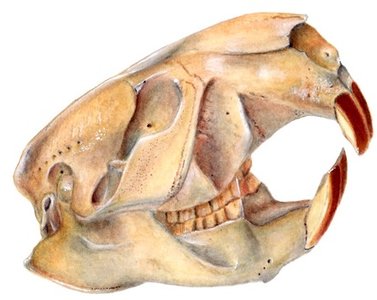
In biology, the structure of a biological component is closely related to its function. Understanding anatomy helps explain physiological roles.
All Living Organisms are Built from Cells
Cell Theory and Cell Types
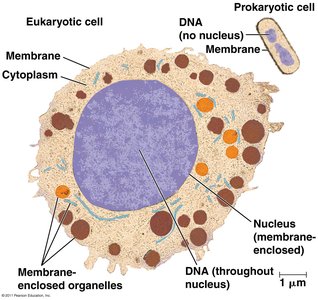
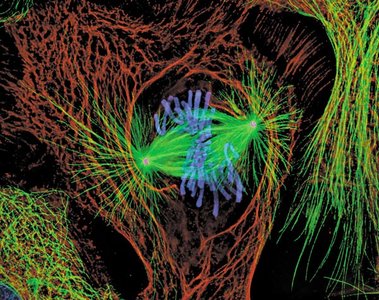
Cells are the fundamental units of life. Organisms may be unicellular or multicellular, and cells are classified as prokaryotic or eukaryotic.
Prokaryotic Cells: Lack a nucleus and membrane-bound organelles (e.g., bacteria).
Eukaryotic Cells: Have a nucleus and membrane-bound organelles (e.g., plants, animals).
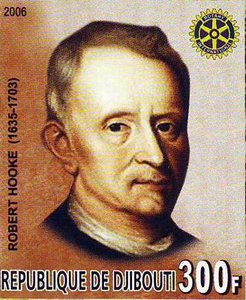
Historical Note: The term 'cell' was first coined by Robert Hooke.
Unifying Themes in Biology III: Genetic Information
DNA as the Blueprint of Life
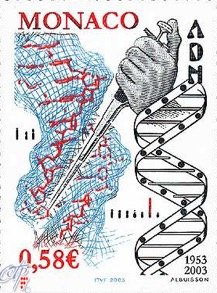
Genetic information is stored in DNA, which encodes instructions for building proteins. DNA is composed of four nucleotides: adenine (A), guanine (G), cytosine (C), and thymine (T).
Genome: The complete set of genetic material in an organism.
Proteins: Molecules constructed based on genetic instructions, essential for structure and function.
Unifying Themes in Biology IV: Energy and Matter Transformation
Producers and Consumers
Life depends on the transformation of energy and matter. Organisms are classified by how they obtain energy:
Producers (Autotrophs): Convert energy from sunlight or inorganic chemicals into organic molecules (e.g., plants).
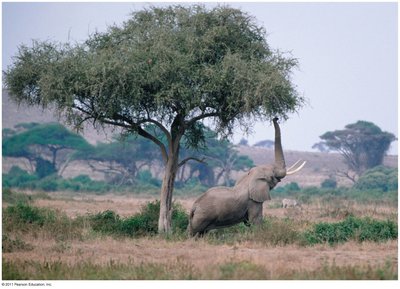
Consumers (Heterotrophs): Obtain energy by consuming other organisms.

Energy Flow in Extreme Environments
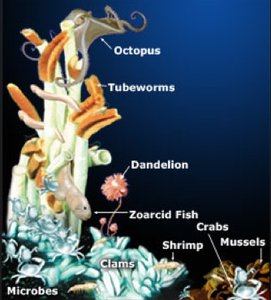
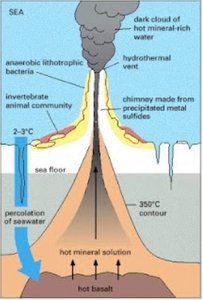
Unique ecosystems, such as hydrothermal vent communities, demonstrate alternative energy pathways where chemosynthetic bacteria form the base of the food web.

Unifying Themes in Biology V: Interactions at Multiple Levels
Ecological Interactions
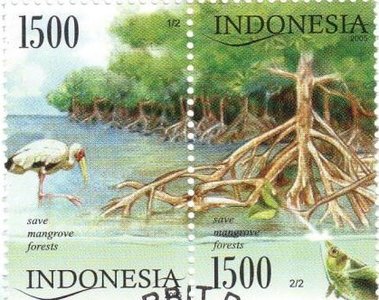
Organisms interact with each other and their environment at various levels, from molecular to ecosystem scale. These interactions shape biological communities and drive evolutionary change.
Homeostasis and Regulation
Feedback Mechanisms
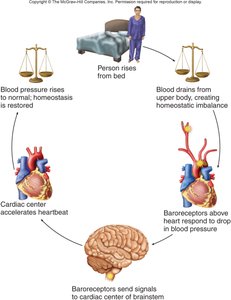
Organisms use feedback systems to maintain homeostasis and regulate biological processes. Negative feedback loops restore balance when physiological variables deviate from set points.
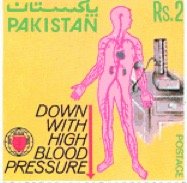
Example: Regulation of blood pressure involves sensors, control centers, and effectors to maintain stability.
How to Think Like a Scientist
The Scientific Method
Scientific inquiry involves systematic observation, hypothesis formation, and experimental testing. Both qualitative and quantitative data are essential for drawing conclusions.
Make Observations: Record data about the natural world.
Ask Questions: Identify patterns or anomalies.
Formulate Hypotheses: Propose potential explanations.
Test Predictions: Design experiments to validate or refute hypotheses.
Note: The scientific method is one of many ways to acquire knowledge; observation and reflection are also valuable.
