 Back
BackIntroduction to Biology: Unifying Themes, Organization, and the Scientific Method
Study Guide - Smart Notes
 Tailored notes based on your materials, expanded with key definitions, examples, and context.
Introduction to Biology
What Does It Mean to Be Alive?
Biology is the scientific study of life, and living things are recognized by their unique characteristics and behaviors. The study of life reveals unifying themes that help us understand the complexity and diversity of organisms.
Order: Living things exhibit complex but ordered structures.
Evolutionary adaptation: Organisms adapt to their environment through evolution.
Regulation: Internal mechanisms regulate an organism's environment.
Reproduction: Living things reproduce, passing on genetic information.
Energy processing: Organisms obtain and use energy for growth and maintenance.
Growth and development: Organisms grow and develop according to inherited instructions.
Response to the environment: Living things respond to environmental stimuli.
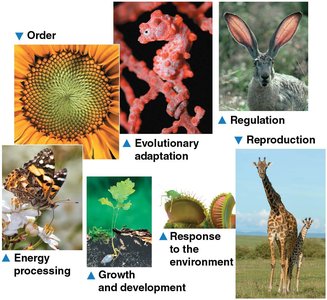
Unifying Themes in Biology
Major Themes
There are five unifying themes in biology that connect all living things:
Organization: Life is organized at multiple levels, from molecules to the biosphere.
Information: Genetic information is stored, transmitted, and used within organisms.
Energy and Matter: Life requires the transfer and transformation of energy and matter.
Interactions: Organisms interact with each other and their environment.
Evolution: Evolution explains the unity and diversity of life.
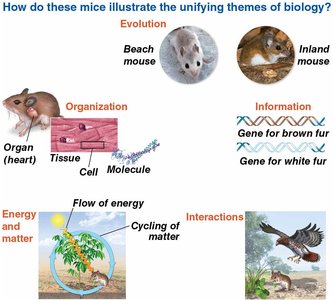
Organization of Life
Levels of Biological Organization
Life can be studied at different levels, from the smallest molecules to the entire biosphere. Each level exhibits emergent properties that arise from the arrangement and interaction of parts.
Biosphere
Ecosystems
Communities
Populations
Organisms
Organs and Organ Systems
Tissues
Cells
Organelles
Molecules
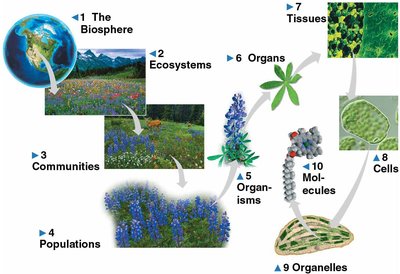
Emergent Properties
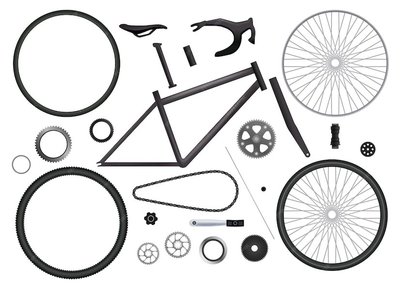
Emergent properties result from the arrangement and interaction of parts as complexity increases. For example, a functioning bicycle emerges only when all necessary parts are connected correctly.
Reductionism: Reduces complex systems to simpler components for study.
Systems Biology: Analyzes interactions among parts of a biological system.
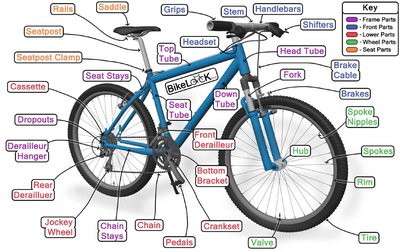
Structure and Function
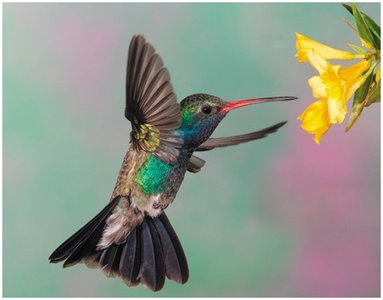
At each level of the biological hierarchy, there is a correlation between structure and function. Analyzing a biological structure provides clues about its function, and vice versa.
Example: The shape of a bird's wing is adapted for flight.
The Cell: Basic Unit of Life
Cell Theory
The cell is the smallest unit of organization that can perform all activities required for life. The cell theory states that all living organisms are made from cells.
Prokaryotic Cells: Simpler, smaller, no nucleus or membrane-enclosed organelles.
Eukaryotic Cells: Larger, contain membrane-enclosed organelles, including a nucleus.
Energy and Matter
Energy Flow and Chemical Cycling
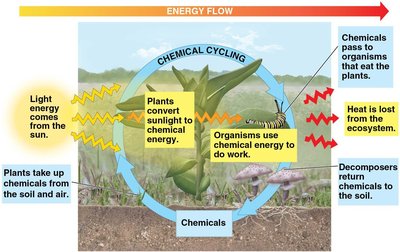
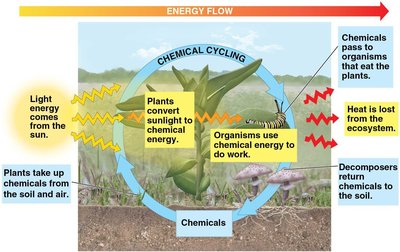
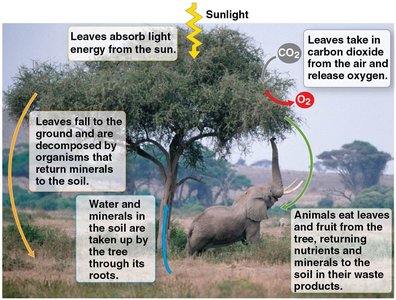
Life requires the transfer and transformation of energy and matter. Energy flows through ecosystems, usually entering as light and exiting as heat, while chemicals cycle within ecosystems.
Producers: Organisms (like plants) that convert sunlight to chemical energy.
Consumers: Organisms that feed on other organisms or their remains.
Decomposers: Organisms that return chemicals to the environment.
Interactions in Biological Systems
Interactions Within Organisms
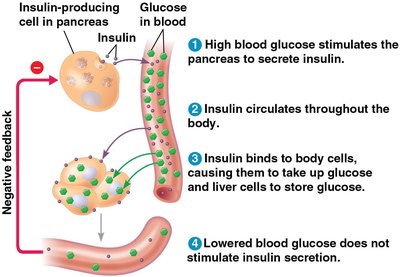
Interactions between components that make up living organisms—organs, tissues, cells, and molecules—are crucial to their smooth operation. Many biological processes self-regulate through feedback mechanisms.
Negative Feedback: The response reduces the initial stimulus.
Positive Feedback: The end product speeds up its own production.
Interactions with the Environment
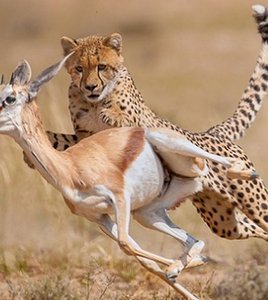
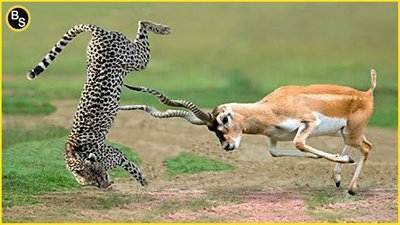
At the ecosystem level, each organism interacts with other organisms and physical factors in its environment. These interactions can be beneficial or harmful and affect both the organisms and their environment.
Example: Predation, competition, symbiosis.
Evolution: The Tree of Life
Descent with Modification
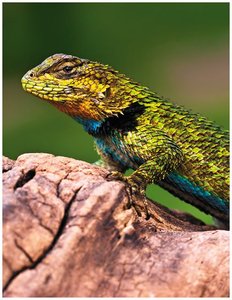
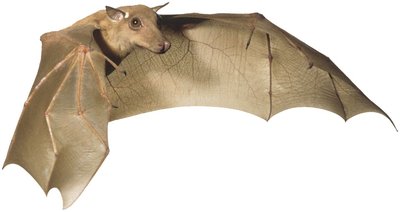
Evolution explains the unity and diversity of life. The shared anatomy of mammalian limbs reflects inheritance from a common ancestor. Fossils and other evidence support descent with modification.
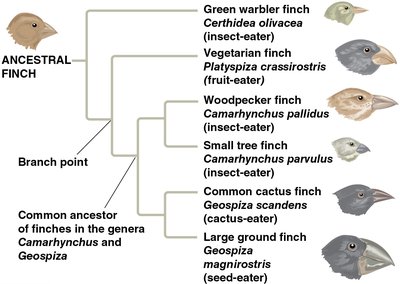
Natural Selection: Proposed by Darwin, it causes ancestral species to give rise to descendant species.
Phylogenetic Trees: Illustrate evolutionary relationships among species.
The Scientific Method
Forming and Testing Hypotheses
Science is a process of inquiry that includes making observations, forming logical hypotheses, and testing them. A hypothesis is an explanation based on observations and assumptions that leads to a testable prediction.
Inductive Reasoning: Derives generalizations from specific observations.
Deductive Reasoning: Uses general premises to make specific predictions.
Experiment: A scientific test carried out under controlled conditions.
Variables and Controls
In a controlled experiment, an experimental group is compared with a control group. The independent variable is manipulated, while the dependent variable is measured.
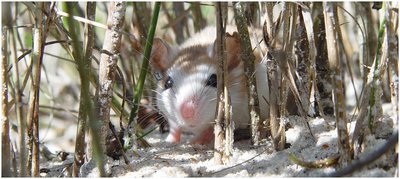
Example: Testing camouflage in mice populations.
Theories in Science
A scientific theory is broader in scope than a hypothesis, general enough to lead to many new, testable hypotheses, and supported by a large body of evidence.
Summary Table: Unifying Themes of Biology
Theme | Description | Example |
|---|---|---|
Organization | Hierarchy of biological levels | Cells, tissues, organs |
Information | Genetic information storage and transmission | DNA, genes |
Energy and Matter | Energy flow and chemical cycling | Photosynthesis, respiration |
Interactions | Organism and environment interactions | Predation, symbiosis |
Evolution | Descent with modification | Natural selection, adaptation |
