 Back
BackIntroduction to Ecology and Biomes: Structure, Methods, and Environmental Influences
Study Guide - Smart Notes
 Tailored notes based on your materials, expanded with key definitions, examples, and context.
Introduction to Ecology
Definition and Scope
Ecology is the scientific study of how organisms interact with their environment, encompassing both biotic (living) and abiotic (non-living) components. The central goal of ecology is to understand the distribution and abundance of organisms, which often requires integrating knowledge from various biological subdisciplines. Increasingly, ecologists are also concerned with the impacts of human activities on the environment.
Levels of Ecological Study
Hierarchical Organization
Ecological research is organized into five main levels, each focusing on different scales of biological organization:
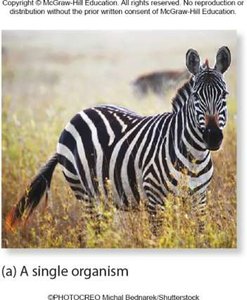
Organismal Ecology: Examines how individual organisms adapt to their environment through physiological and behavioral mechanisms.
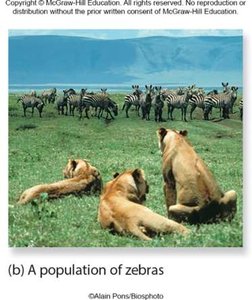
Population Ecology: Studies groups of interbreeding individuals (populations) and factors affecting their growth, density, and size, including interactions such as predation, competition, and parasitism.
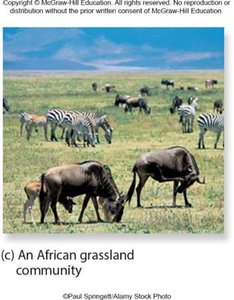
Community Ecology: Investigates how populations of different species interact and form functional communities, including patterns of species richness and succession after disturbances.
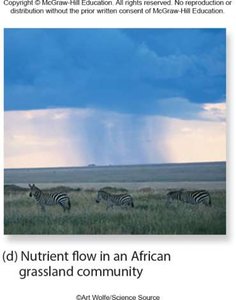
Ecosystem Ecology: Focuses on the flow of energy and cycling of chemical elements among organisms and their physical environment, including food chains and food webs.
Global Ecology: Encompasses all ecosystems on Earth, studying large-scale patterns and processes.
Ecological Methods
Case Study: Oak Winter Moth (Operophtera brumata)
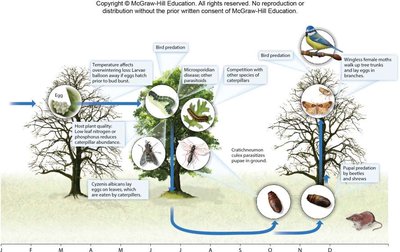
Ecologists use a combination of observation, hypothesis testing, and experimentation to understand ecological interactions. For example, the oak winter moth, accidentally introduced to North America, became a pest in apple orchards. Researchers constructed a web of interactions affecting its population size, including abiotic factors (temperature, rainfall), natural enemies (predators, parasites), competitors, and host plant availability.
Observational Studies and Correlation
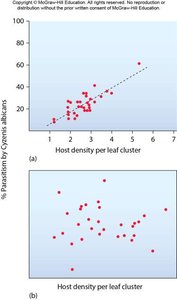
Observational data can reveal relationships between variables, such as the correlation between parasitism rates and moth abundance. Statistical tests are used to determine if these relationships are significant.
Experimental Approaches
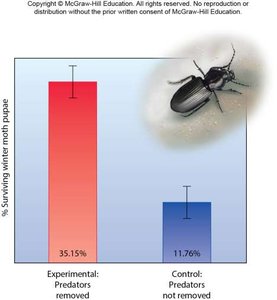
Experiments, such as predator removal, test specific hypotheses. For example, removing predators from oak winter moth pupae resulted in significantly higher survival rates, supporting the hypothesis that predation controls moth abundance. Replication and statistical analysis are essential for drawing valid conclusions.
The Environment’s Effect on the Distribution of Organisms
Abiotic Factors
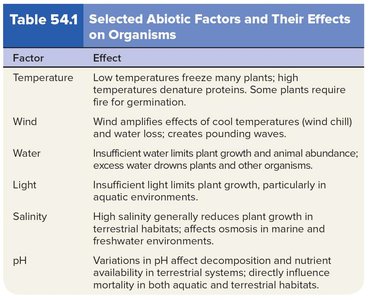
The distribution and abundance of species are limited by physical features of the environment, including:
Temperature
Wind
Water availability
Light availability
Salinity
pH
Factor | Effect |
|---|---|
Temperature | Low temperatures freeze many plants; high temperatures denature proteins. Some plants require fire for germination. |
Wind | Amplifies effects of cool temperatures (wind chill) and water loss; creates pounding waves. |
Water | Insufficient water limits plant growth and animal abundance; excess water drowns plants and other organisms. |
Light | Insufficient light limits plant growth, particularly in aquatic environments. |
Salinity | High salinity generally reduces plant growth in terrestrial habitats; affects osmosis in marine and freshwater environments. |
pH | Variations affect decomposition and nutrient availability; directly influence mortality in both aquatic and terrestrial habitats. |
Temperature
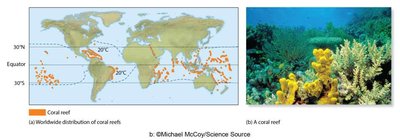
Temperature is the most important factor influencing the distribution of organisms due to its effects on biological processes. Most organisms cannot precisely regulate their body temperature, making them sensitive to environmental changes. For example, coral reefs are abundant only in warm waters, as temperature affects coral deposition.
Low Temperatures
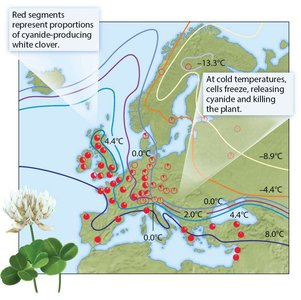
Frost limits the geographic distribution of tropical and subtropical plants. Cold temperatures can rupture plant cells, releasing toxins. For example, the cyanide-producing form of white clover (Trifolium repens) is restricted to warmer regions.
High Temperatures
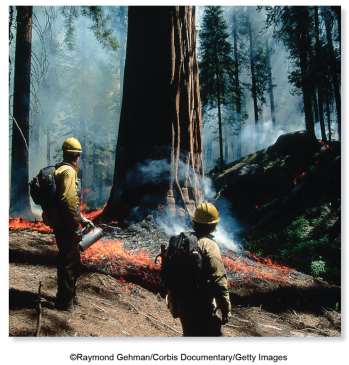
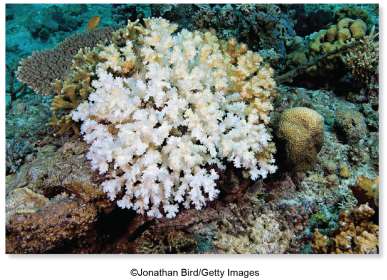
Few species survive internal temperatures above their metabolic optimum. High temperatures can cause corals to expel their symbiotic algae (coral bleaching) and are necessary for the germination of some plant species, such as the giant sequoia, which depends on fire to release seeds and clear competing vegetation.
Genetic Engineering and Temperature Tolerance
Genetic engineering can enhance temperature tolerance in crops. For example, mutating ice nucleation genes in Pseudomonas syringae reduces frost damage in strawberries. Heat shock proteins (HSPs) help organisms cope with high temperatures by preventing protein misfolding.
Wind
Wind, created by temperature gradients, increases heat loss through evaporation and convection, intensifies ocean waves, and can amplify the effects of temperature extremes.
Water Availability
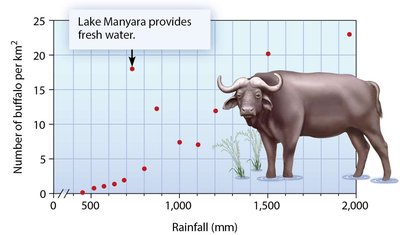
Water is essential for all living organisms, serving as a solvent, reactant, and means of waste elimination. The distribution of many plants and animals is limited by water availability. For example, buffalo density in the Serengeti is correlated with rainfall.
Light Availability
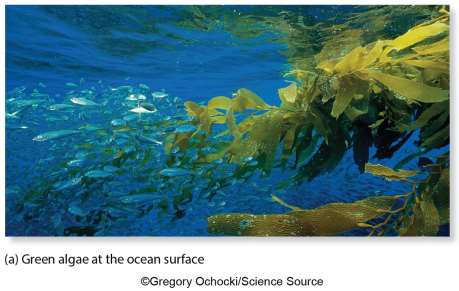
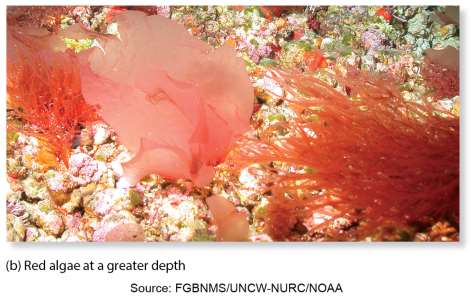
Light requirements are species-specific. In aquatic environments, water absorbs light, limiting photosynthesis to the photic zone. Red algae can grow at greater depths due to special pigments that utilize blue-green light.
Salinity
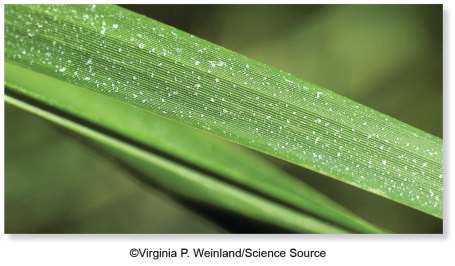
Osmosis influences how organisms cope with different salinities. Freshwater fish gain water and must eliminate it, while marine fish lose water and must drink to compensate. Halophytes are plants that tolerate high salt concentrations and may have salt glands for excretion.
pH
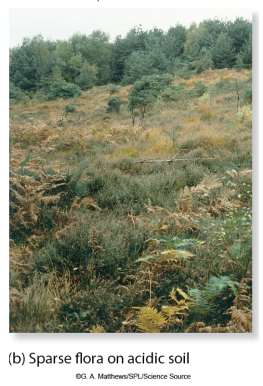
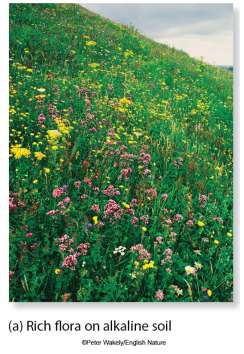
Most plants grow best at pH 6.5, where nutrients are most available. Acidic soils (pH < 5.2) inhibit nitrifying bacteria and reduce plant diversity. Acid rain, resulting from fossil fuel combustion, lowers soil and water pH, harming aquatic and terrestrial life.
Climate and Its Relationship to Biological Communities
Climate Patterns
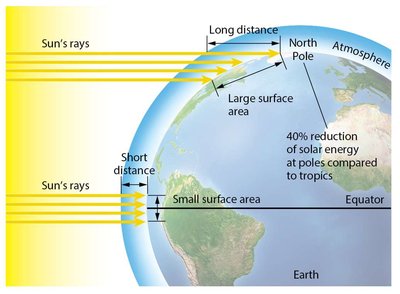
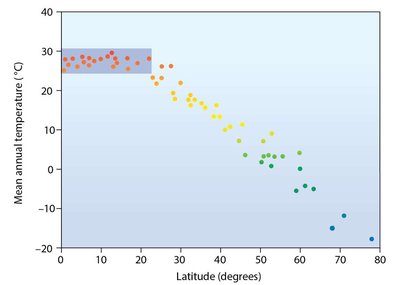
Climate refers to the prevailing weather patterns in a region, including temperature, precipitation, wind, and light. Latitudinal variations in solar radiation cause differences in temperature, with higher latitudes receiving less direct sunlight.
Global Circulation Patterns
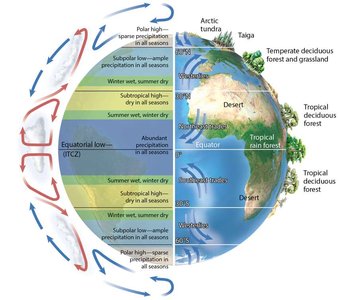
Atmospheric circulation and precipitation patterns are driven by solar energy. Warm air rises at the equator and moves toward the poles, cooling and descending at subsidence zones. This creates three major circulation cells in each hemisphere, influencing the distribution of biomes.
Elevation and Landmass Effects
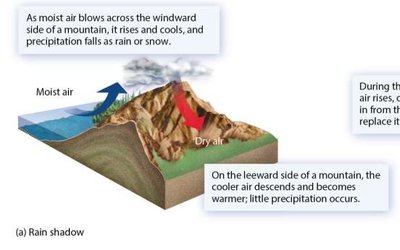
Elevation affects climate through adiabatic cooling (temperature drops with increasing altitude). Mountains create rain shadows, where moist air rises and cools, releasing precipitation on the windward side, while the leeward side remains dry.
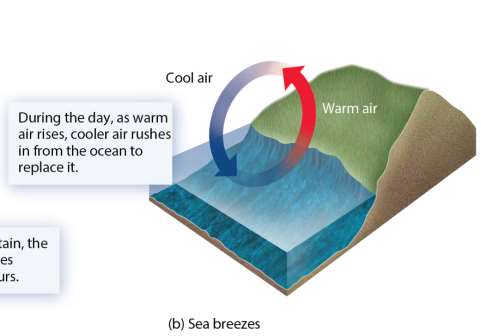
Proximity to Water
Large bodies of water moderate coastal and island temperatures through sea breezes, which result from differential heating and cooling of land and water.
Major Biomes and Aquatic Habitats
Terrestrial Biomes
Terrestrial biomes are classified based on average annual precipitation and temperature. Examples include tropical rainforests, deserts, tundra, and grasslands. The global distribution of biomes is influenced by climate patterns and land features.
Aquatic Habitats
Aquatic biomes are distinguished by salinity, oxygen content, depth, current strength, and light availability. Freshwater habitats are divided into lentic (standing water) and lotic (running water) systems. Water properties, such as density and temperature stratification, influence ecological dynamics in lakes and rivers.
Continental Drift and Biogeography
Biogeography
Biogeography is the study of the geographic distribution of extinct and living species. Similar biomes on different continents may have distinct species due to independent evolutionary histories. Convergent evolution results in similar adaptations among unrelated species in similar environments.
Continental Drift
The movement of Earth's surface plates explains the distribution of similar species and fossils across continents. Disjunct distributions occur when related species are found in widely separated regions, often as relics of formerly broader distributions.
Biogeographic Regions
Alfred Russel Wallace divided the world into six major biogeographic regions, each bounded by barriers to dispersal such as oceans, mountains, or deserts. These regions contain distinct assemblages of plants and animals.
Convergent Evolution
Barriers to dispersal lead to convergent evolution, where unrelated species evolve similar traits in response to similar environmental pressures. Examples include desert rodents in North America, Asia, and Australia.
