 Back
Back10.2 Introduction to Ecology: Human Impacts and Resource Use
Study Guide - Smart Notes
 Tailored notes based on your materials, expanded with key definitions, examples, and context.
Ecology and Human Impact
Introduction to Ecology
Ecology is the scientific study of interactions between organisms and their environment. Understanding ecology helps us recognize the effects of human activities on natural systems and the importance of sustainable resource use.
Human Resource Use and Environmental Impact
Water Sources and Treatment
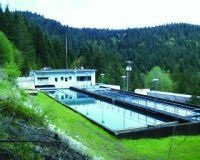
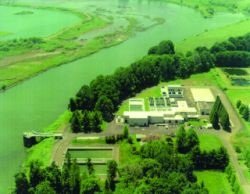
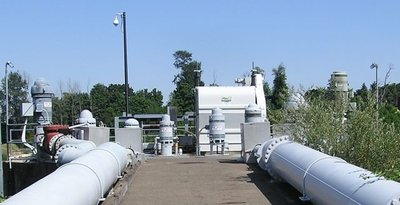
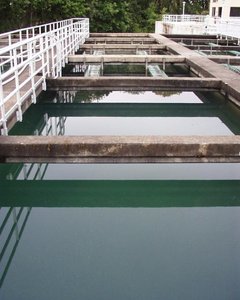
Water is a critical resource for human societies, and its sourcing and treatment have significant ecological implications. Most urban water supplies are drawn from local rivers or reservoirs and treated at municipal plants before distribution.
Water Source Example: The Taylor Treatment Plant in southeast Corvallis draws water from the Willamette River.
Water Treatment: Treatment plants remove contaminants and pathogens, making water safe for human use.
Ecological Impact: Water extraction and treatment can affect river ecosystems and downstream habitats.
Energy Generation and Consumption
Electricity generation and energy consumption are major drivers of environmental change. The sources of energy used in a region determine the ecological footprint and greenhouse gas emissions.
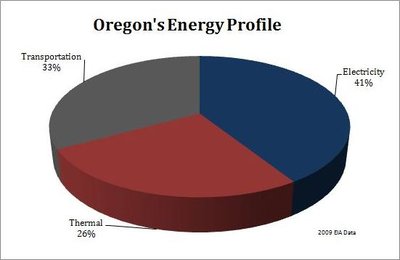
Energy Profile: In Oregon, electricity accounts for 41% of energy use, transportation 33%, and thermal energy 26%.
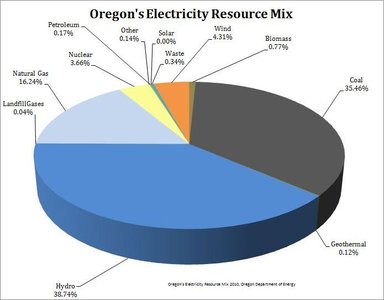
Electricity Resource Mix: The majority of Oregon's electricity comes from hydroelectric (38.74%) and coal (35.46%), with smaller contributions from natural gas, nuclear, wind, and other sources.
Ecological Impact: Different energy sources have varying impacts on ecosystems, such as habitat alteration from hydroelectric dams or air pollution from coal.
Food Production and Sustainability
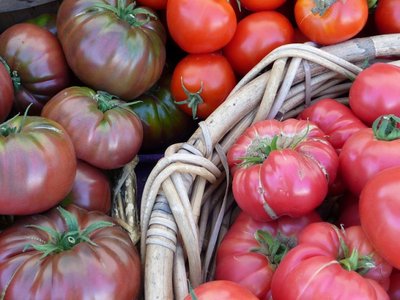
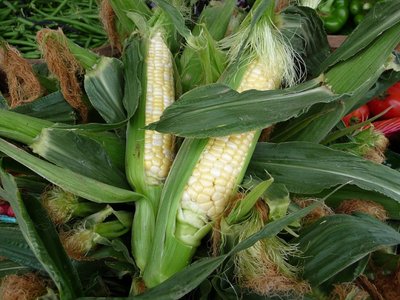
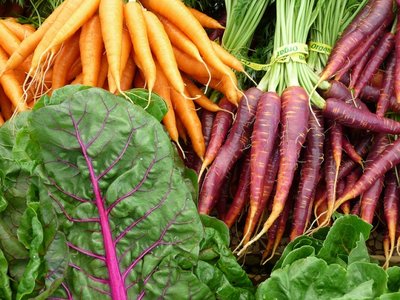
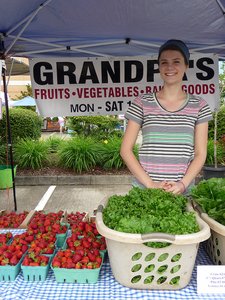
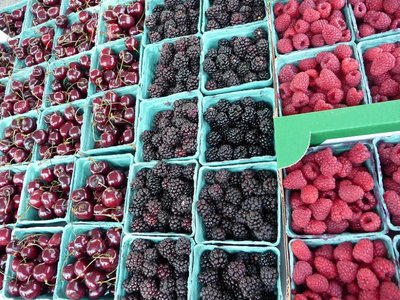
The origin and production methods of food have significant ecological consequences. Local and organic foods typically have lower environmental footprints compared to conventionally produced foods.
Resource Use in Meat Production: Producing 1 lb of beef requires 1,857 gallons of water and 7 pounds of corn; 1 lb of chicken requires 469 gallons of water and 2.6 pounds of corn.
Local and Organic Choices: Eating one local/organic meal per week could reduce U.S. oil consumption by 1.1 million barrels per week.
Ecological Benefits: Local and organic foods reduce transportation emissions and chemical inputs, supporting healthier ecosystems.

Sustainable Seafood and Bycatch
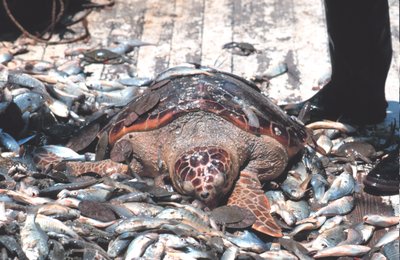
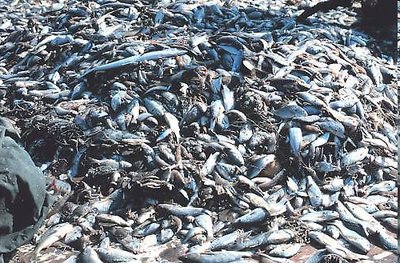
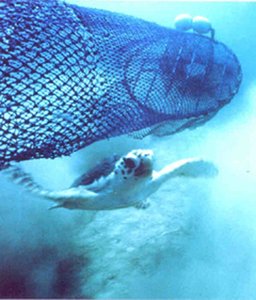
Seafood sustainability is a key ecological concern, particularly due to the issue of bycatch—non-target species caught during fishing operations. Shrimp trawling is especially problematic, with high bycatch rates.
Bycatch Rates: Shrimp trawling results in 3-15 pounds of bycatch for every 1 pound of shrimp harvested.
Ecological Impact: Bycatch can include endangered species such as sea turtles and disrupt marine ecosystems.
Sustainable Choices: Programs like the Monterey Bay Aquarium's Seafood Watch guide consumers toward more sustainable seafood options.

Pet Trade and Ecological Impact
The pet trade can have ecological consequences, especially when wild-caught species are involved. Responsible sourcing and awareness of species' origins are important for minimizing negative impacts on wild populations.
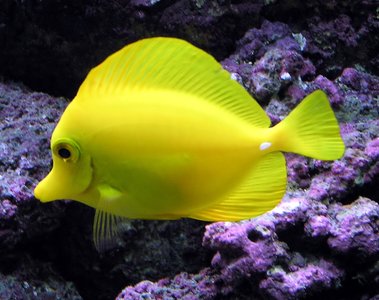
Wild-Caught vs. Captive-Bred: Wild-caught pets can contribute to population declines and ecosystem disruption.
Example: The yellow tang (Zebrasoma flavescens) is a popular aquarium fish often collected from the wild.
Academic Pathways in Ecology
Studying and Working in Ecology
Ecology is a multidisciplinary field with opportunities in various academic departments and research areas. Students interested in ecology can pursue coursework and research in zoology, botany, forestry, fisheries, wildlife, crop and soil sciences, and environmental sciences.
Departments: Zoology, Botany and Plant Pathology, Forestry, Fisheries and Wildlife, Crop and Soil Sciences, Environmental, Oceanic, and Atmospheric Sciences.
Research Opportunities: Volunteering or working with researchers, especially in summer fieldwork, provides practical experience in ecological studies.
