 Back
Introduction to Genetics: Foundations, Applications, and Modern Breakthroughs
Study Guide - Smart Notes
 Tailored notes based on your materials, expanded with key definitions, examples, and context.
Genetics: An Introduction
Defining Genetics and Its Scope
Genetics is a fundamental branch of biology focused on the study of genes, heredity, and variation in living organisms. It explores how traits are passed from one generation to the next and how genetic information is expressed and regulated.
Gene: A segment of DNA that encodes functional products, typically proteins.
Heredity: The transmission of genetic traits from parents to offspring.
Variation: Differences in genetic makeup among individuals within a population.
Genetics is essential for understanding biological diversity, evolution, and the molecular mechanisms underlying health and disease.

Major Subfields of Genetics
Molecular Genetics: Focuses on the structure and function of DNA, chromosomes, and the processes of replication, transcription, and translation.
Classical Genetics: Based on Mendel’s principles, studying inheritance patterns and gene interactions.
Quantitative Genetics: Examines traits controlled by multiple genes and environmental factors.
Population Genetics: Studies genetic variation within populations and evolutionary forces.
Evolutionary Genetics: Explores how genetic changes drive evolution.
Life and Its Defining Characteristics
What is Life?
Life is defined by several unifying themes, including organization, energy and matter exchange, information storage and transfer, interactions, and the ability to evolve. These characteristics distinguish living organisms from non-living matter.
Organization: Living things are highly organized, from molecules to cells to organisms.
Energy and Matter Exchange: Life requires the intake and transformation of energy and matter.
Information: Genetic information is stored in DNA and governs cellular processes.
Interactions: Organisms interact with their environment and each other.
Evolution: Populations of organisms change over time through genetic variation and natural selection.
Self-Organization and Reproduction
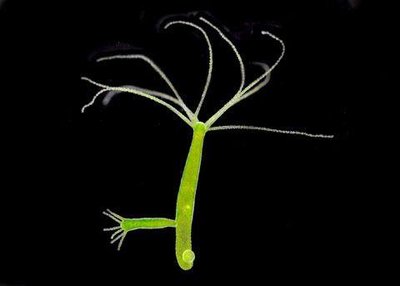
Living systems are self-organizing and capable of reproduction, which is essential for the continuation of life. Even simple organisms, such as Hydra, reproduce by budding, while non-living systems like crystals can self-organize but do not meet all criteria for life.
Self-Organization: The ability to form ordered structures without external guidance.
Reproduction: The process by which organisms produce new individuals.

Genetic Information and the Genetic Code
DNA: The Molecule of Life
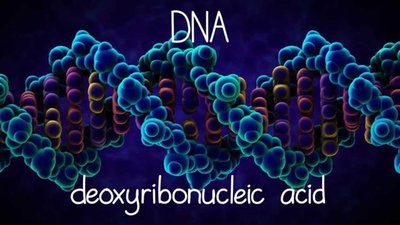
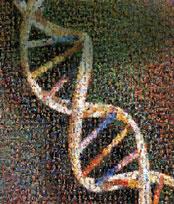
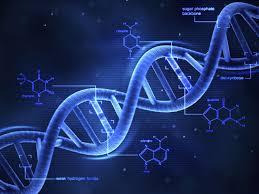
All biological information is encoded in DNA (deoxyribonucleic acid), which serves as the universal genetic material for all known life forms. DNA’s structure allows it to store, replicate, and transmit genetic information across generations.
Genetic Code: The set of rules by which information encoded in DNA is translated into proteins.
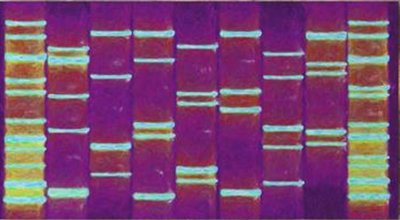
Unity and Diversity: The genetic code is nearly universal, highlighting the shared ancestry of all life, yet small variations in DNA sequences account for the diversity of species.
Applications and Impact of Genetics
Genetics in Society and Science
Genetics has broad applications across many fields, including medicine, agriculture, anthropology, computer science, and ethics. It is central to advances in personalized medicine, genetic engineering, and understanding human evolution and diversity.
Personalized Medicine: Tailoring medical treatment to individual genetic profiles.
Agriculture: Selective breeding and genetic modification to improve crops and livestock.
Anthropology: Tracing human ancestry and migration patterns.

Historical Applications: Domestication and Agriculture
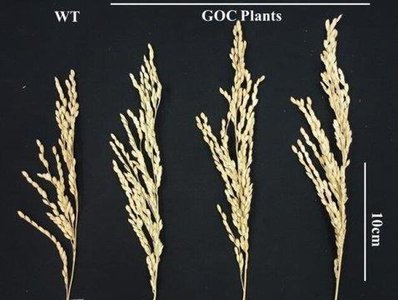
The earliest applications of genetics can be traced to the domestication of plants and animals. Selective breeding over thousands of years has shaped modern agriculture and companion animals.
Domestication: The process of adapting wild species for human use, such as dogs and cattle.
Selective Breeding: Choosing individuals with desirable traits to reproduce, enhancing those traits in future generations.

Modern Breakthroughs in Genetics
Recent advances in genetics have revolutionized medicine and biotechnology. Key breakthroughs include cancer immunotherapy, stem cell technology, and genetic approaches to disease control.
Cancer Therapy: CAR T-cell immunotherapy uses genetically engineered T-cells to target and destroy cancer cells.
Tissue Regeneration: Stem cells are used to grow tissues such as skin for grafting in burn victims.
Epidemiology: Genetic tools help track and control the spread of diseases.

CAR T-Cell Immunotherapy
Principles and Mechanism
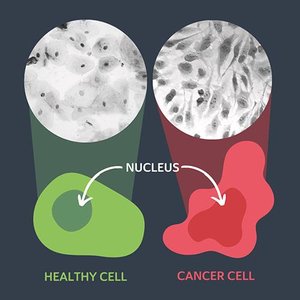
CAR T-cell therapy is a form of immunotherapy where a patient’s T-cells are genetically modified to express chimeric antigen receptors (CARs) that recognize and kill cancer cells. This approach harnesses the specificity of B-cells for detection and the cytotoxic ability of T-cells for destruction.
T-Cells: Immune cells capable of killing abnormal cells.
B-Cells: Immune cells that detect abnormal proteins but cannot kill cells.
Chimeric Antigen Receptor (CAR): A synthetic receptor combining the recognition domain of a B-cell with the signaling domain of a T-cell.
Process of CAR T-Cell Therapy
Patient’s T-cells are collected.
T-cells are genetically engineered to express CARs.
Modified CAR T-cells are expanded and infused back into the patient.
CAR T-cells seek out and destroy cancer cells expressing specific antigens.
Stem Cell Technology in Tissue Regeneration
Stem Cells and Skin Grafting
Stem cells are undifferentiated cells capable of developing into various specialized cell types. In regenerative medicine, stem cells are used to produce skin grafts for burn victims, offering improved healing and reduced scarring.
Spray-on Skin: A technique where stem cells are sprayed onto wounds to promote rapid skin regeneration.
3-D Skin in a Dish: Laboratory-grown skin tissues for transplantation.
Study Strategies for Genetics
Effective Learning Approaches
Success in genetics requires active engagement with course materials, including attending lectures, participating in discussions, and consistent review of notes and readings. Utilizing textbooks, research articles, and well-organized notes enhances understanding and retention.
Class Notes: Take detailed notes during lectures for review.
Textbooks: Use recommended texts for foundational knowledge.
Research: Explore primary literature for current advances.
Written Summaries: Rewrite and organize notes at home for consolidation.

Summary Table: Key Concepts in Genetics
Concept | Definition | Example/Application |
|---|---|---|
Gene | Segment of DNA encoding a functional product | Gene for eye color |
Heredity | Transmission of traits from parents to offspring | Mendelian inheritance |
Variation | Genetic differences among individuals | Blood types |
Genetic Code | Rules for translating DNA into proteins | Codon table |
CAR T-Cell Therapy | Genetically engineered T-cells to treat cancer | Acute lymphoblastic leukemia treatment |
Stem Cells | Undifferentiated cells with regenerative potential | Skin grafts for burn victims |
Conclusion
Genetics is a dynamic and foundational field in biology, with profound implications for medicine, agriculture, and our understanding of life itself. Mastery of genetic principles is essential for students pursuing careers in the life sciences and related disciplines.
