 Back
Introduction to Life, Cells, and Evolution: Foundations of General Biology
Study Guide - Smart Notes
 Tailored notes based on your materials, expanded with key definitions, examples, and context.
Course Structure and Study Approach
Course Portfolio and Assessment
This course emphasizes the development of a comprehensive understanding of biological concepts through iterative questioning, essay writing, and collaborative activities. Students are encouraged to build a portfolio containing essays and multiple-choice questions, which will be used for exam preparation and conceptual mastery.
Unit Exams: 69% of grade (lowest dropped)
Final Exam: 23% of grade
Quizzes and Assignments: 8% of grade
Weekly quizzes and collaborative activities reinforce learning, and students are encouraged to work in study groups while maintaining individual accountability.

What is Life?
Defining Characteristics of Living Organisms
All living organisms on Earth share five fundamental characteristics that distinguish them from non-living matter:
Cells: All organisms are made up of membrane-bound cells.
Replication: All organisms are capable of reproduction.
Information: All organisms process hereditary information encoded in molecules such as DNA.
Energy: All organisms acquire and use energy to stay alive.
Evolution: Lineages of organisms are continually evolving.
A system is considered living if it can transform external matter and energy into internal processes of self-maintenance and production of its own components, creating local order while increasing universal disorder (entropy).

Consciousness and Qualia
Understanding Consciousness
Consciousness refers to our awareness of self and our relationship to the world. It encompasses subjective experiences, known as qualia, such as taste, smell, and thought. The study of consciousness includes:
Easy Problem: How neural circuits and information processing produce perception, attention, and memory.
Hard Problem: How these processes give rise to subjective experience (qualia).
Development of Consciousness
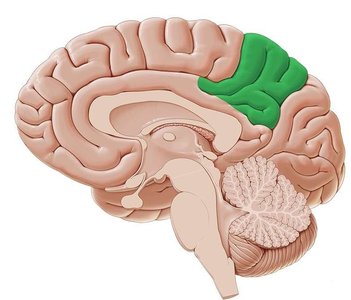
Consciousness in humans is thought to emerge during brain development, with key milestones including synapse formation, brain mass increase, and myelination. The anterior precuneus (aPCu) is a brain region associated with the sense of self and connectedness.
The Information System of Life: DNA and the Central Dogma
Chromosomal Theory and DNA Structure
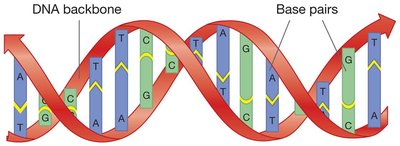
The chromosomal theory of inheritance established that genes are located on chromosomes, which are composed of deoxyribonucleic acid (DNA). DNA encodes the hereditary information necessary for growth, maintenance, and reproduction.
DNA Structure: Double helix composed of four nucleotides: Adenine (A), Thymine (T), Cytosine (C), and Guanine (G).
Base Pairing: A pairs with T, C pairs with G. This allows for accurate DNA replication.
The Central Dogma of Molecular Biology
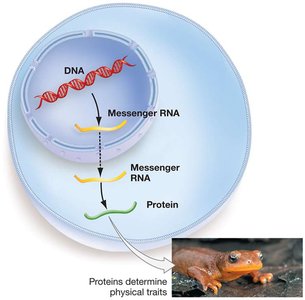
The Central Dogma describes the flow of genetic information:
DNA Replication: DNA makes copies of itself.
Transcription: DNA is transcribed into messenger RNA (mRNA).
Translation: mRNA is translated into proteins, which determine phenotype.
Macromolecules: Carbohydrates, Lipids, Proteins, and Nucleic Acids
Types and Functions
Cells are composed of four major types of macromolecules:
Carbohydrates: Energy storage (e.g., starch in plants, glycogen in animals).
Lipids: Membrane structure and energy storage.
Proteins: Structural components and enzymes.
Nucleic Acids: Information storage and transfer (DNA, RNA).
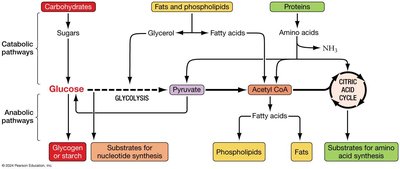
Metabolic pathways are classified as:
Anabolic Pathways: Build macromolecules from subunits.
Catabolic Pathways: Break down macromolecules into subunits.
Energy and Metabolism
ATP: The Energy Currency
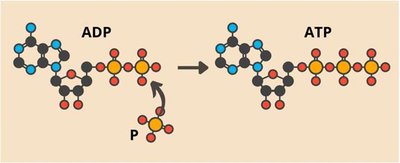
Organisms acquire energy to build adenosine triphosphate (ATP), the universal energy carrier. ATP is produced through cellular respiration and used for cellular work.
ATP Synthesis:
Evolution by Natural Selection
Genotype, Phenotype, and Fitness
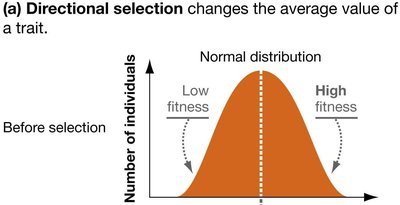
Each organism has a genotype (genetic makeup) that determines its phenotype (observable traits). Fitness is defined as the number of copies of an individual's genome that are passed on to the next generation.
Natural Selection: The environment determines which phenotypes have higher fitness. Genes associated with higher fitness increase in frequency over generations.
Other Evolutionary Processes: Mutation, genetic drift, and gene flow can also change genetic identity, but only natural selection increases average fitness.
Phylogeny and the Tree of Life
Cladogenesis and Evolutionary Relationships
Phylogeny is the evolutionary history of a genetic lineage, often depicted as a cladogram. Population splitting events (cladogenesis) give rise to new lineages.
Cell Structure: Prokaryotes vs. Eukaryotes
Major Differences and Evolution
Cells are classified as prokaryotic (Bacteria and Archaea) or eukaryotic (Eukarya):
Feature | Prokaryotes | Eukaryotes |
|---|---|---|
DNA Structure | Looped, no nucleus | Linear, membrane-bound nucleus |
Reproduction | Binary fission, budding | Mitosis, meiosis |
Organelles | Few, no membrane-bound organelles | Many, including mitochondria, ER, Golgi, etc. |
Cytoskeleton | Primitive | Derived |
Endosymbiosis and membrane infolding are key evolutionary events that led to the origin of eukaryotic cells, including the development of mitochondria and chloroplasts.
Key Terms and Concepts
Synapomorphy: A shared derived trait among descendant populations.
Autotroph: Organism that produces its own food (e.g., plants).
Heterotroph: Organism that consumes other organisms for food (e.g., animals).
Aerobic: Metabolism requiring oxygen.
Anaerobic: Metabolism without oxygen.
Essay Prompts for Deeper Understanding
What does it mean to say something is alive?
Why do eukaryotes have some of the same features as prokaryotes? Why do they have different features?
How do different genes produce different cell types during multicellular development?
