 Back
BackMICROBIOLOGY WEEK 1: Introduction to Microbiology: Cell Morphology and Microbial Diversity
Study Guide - Smart Notes
 Tailored notes based on your materials, expanded with key definitions, examples, and context.
Introduction to Microbiology
Definition and Scope
Microbiology is the study of microorganisms, which are unicellular or multicellular microscopic organisms including bacteria, archaea, viruses, fungi, and protists. This field explores their structure, function, metabolism, genetics, and roles in the environment and disease.
Microorganisms are essential for nutrient cycling, biotechnology, and as model organisms in research.
They can be both beneficial (e.g., microbiota, fermentation) and pathogenic (e.g., causing infectious diseases).
Cell Morphology and Classification
Bacterial Cell Structure
Bacteria are prokaryotic cells characterized by the absence of a membrane-bound nucleus and organelles. Their structure is adapted for survival in diverse environments.
Cytoplasm: Gel-like substance where metabolic reactions occur.
Ribosomes: Sites of protein synthesis (70S type in prokaryotes).
Nucleoid: Region containing the circular DNA chromosome.
Cytoplasmic membrane: Phospholipid bilayer acting as a selective barrier and site for energy conservation.
Cell wall: Provides shape and protection; composed of peptidoglycan in bacteria.
Capsule: Polysaccharide layer for protection and adhesion.
Pili/Fimbriae: Surface structures for attachment and genetic exchange.
Flagella: Structures for motility.
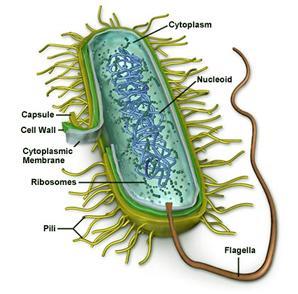
Prokaryotic vs. Eukaryotic Cells
Cells are classified as prokaryotic (Bacteria, Archaea) or eukaryotic (Eukarya) based on structural differences.
Prokaryotes: Lack membrane-bound organelles, have circular DNA, and typically smaller size (1–5 μm).
Eukaryotes: Possess nucleus and organelles, linear chromosomes, and are generally larger (8 to >600 μm).
Properties of Microbial Cells
Universal Properties
All cells share certain fundamental properties essential for life:
Metabolism: Uptake of nutrients, transformation into energy and cellular components, and expulsion of wastes.
Genetic Functions: Replication, transcription, and translation of genetic material.
Catalytic Functions: Enzymatic reactions for energy and biosynthesis.
Growth: Conversion of nutrients into new cell material, resulting in cell division.
Evolution: Genetic changes over generations leading to adaptation and diversity.
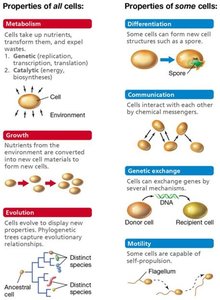
Specialized Properties (Some Cells)
Differentiation: Formation of new cell structures (e.g., spores).
Communication: Interaction via chemical signals.
Genetic Exchange: Transfer of genes between cells (e.g., conjugation).
Motility: Self-propulsion using flagella or other structures.
Phylogeny and the Tree of Life
Three Domains of Life
All cellular life is classified into three domains based on molecular and genetic evidence:
Bacteria: True bacteria, including most known prokaryotes.
Archaea: Prokaryotes distinct from bacteria, often extremophiles.
Eukarya: Organisms with eukaryotic cells (protists, fungi, plants, animals).
The Last Universal Common Ancestor (LUCA) is the hypothetical ancestor of all current life forms, inferred from rRNA gene sequences.
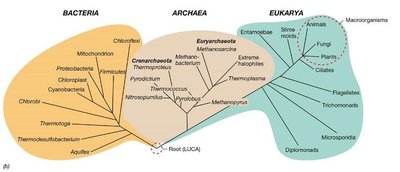
Microscopy in Microbiology
Types of Microscopes
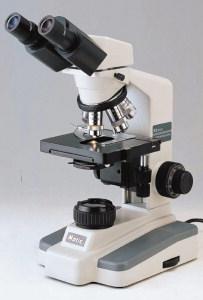
Microscopy is essential for studying microorganisms due to their small size.
Light Microscope: Uses visible light; resolution ~0.2 μm; suitable for observing cell shape and arrangement.
Electron Microscope: Uses electron beams; resolution ~0.2 nm; reveals ultrastructure of cells.
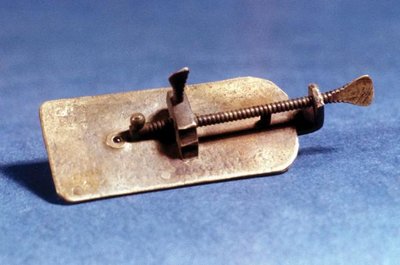
Historical Figures
Antoni van Leeuwenhoek (1632–1723) is considered the founder of microbiology for his discovery of bacteria using handcrafted microscopes.

Bacterial Cell Wall Structure
Peptidoglycan and Gram Staining
The bacterial cell wall is primarily composed of peptidoglycan, a polymer unique to bacteria. It provides structural support and shape.
Gram-positive bacteria: Thick peptidoglycan layer, teichoic acids, stain purple in Gram stain.
Gram-negative bacteria: Thin peptidoglycan layer, outer membrane with lipopolysaccharide (LPS), stain pink in Gram stain.
Lysozyme can degrade peptidoglycan, making bacteria susceptible to osmotic lysis.
Microbial Diversity
Bacteria, Archaea, and Eukarya
Microbial diversity encompasses a wide range of organisms:
Bacteria: Ubiquitous, metabolically diverse, include pathogens and beneficial species.
Archaea: Often extremophiles (thermophilic, halophilic, acidophilic), genetically closer to Eukarya than Bacteria.
Eukarya: Includes protists (algae, protozoa), fungi (molds, yeasts), and other microbial eukaryotes.
Viruses
Viruses are obligate intracellular parasites that infect all forms of life but are not considered living cells and are absent from the tree of life.
Summary Table: Key Differences Between Cell Types
Feature | Bacteria | Archaea | Eukarya |
|---|---|---|---|
Cell Wall | Peptidoglycan | No peptidoglycan | Cellulose, chitin, or none |
Membrane-bound organelles | Absent | Absent | Present |
Chromosome | Circular | Circular | Linear |
Size | 1–5 μm | 1–5 μm | 8–600+ μm |
Examples | Escherichia coli | Methanogens | Yeast, algae |
Applications and Importance
Microorganisms play crucial roles in health (microbiota), industry (fermentation, biotechnology), and the environment (nutrient cycling).
Understanding cell structure and diversity is foundational for microbiology, medicine, and biotechnology.
