 Back
BackIntroduction to Vertebrates: Taxonomy, Characteristics, and Evolutionary Features
Study Guide - Smart Notes
 Tailored notes based on your materials, expanded with key definitions, examples, and context.
Overview of Vertebrates
Definition and Diversity
Vertebrates are a highly diverse group within the animal kingdom, comprising over 67,000 extant species. They inhabit nearly every ecological niche on Earth and display a wide range of morphological and physiological adaptations.
Kingdom: Animalia (Metazoa) – Multicellular, heterotrophic organisms.
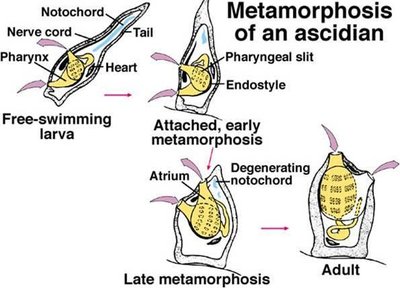
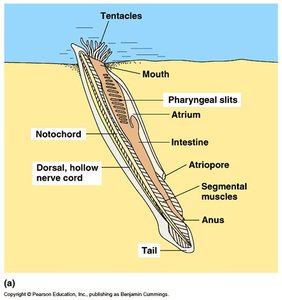
Phylum: Chordata – Defined by the presence of a notochord, dorsal hollow nerve cord, postanal tail, and pharyngeal slits at some stage of development.
Subphylum: Vertebrata (or Craniata) – Characterized by a cranium and, in most cases, vertebrae.
Key Characteristics of Chordates
Notochord: A flexible, dorsal supporting rod present during development.
Dorsal Hollow Nerve Cord: Runs along the back, usually with an enlarged anterior brain.
Postanal Tail: Extends beyond the digestive tract.
Pharyngeal Slits: Openings in the throat region, important in filter-feeding and respiration.
These features may be present only during embryonic development in some groups.
Major Subphyla of Chordata
Urochordata: Notochord present only in free-swimming larvae (e.g., sea squirts).
Cephalochordata: Notochord and nerve cord persist throughout life (e.g., lancelets).
Vertebrata/Craniata: Distinguished by a prominent head with complex sense organs and a cranium (skull).
Defining Features of Vertebrates
Common Characteristics
Vertebrates share several anatomical and physiological traits:
Multicellularity with increased complexity.
Heterotrophy: Obtain energy by consuming other organisms (herbivores, carnivores, omnivores).
Prominent Head: With complex sense organs.
Cranium: Skull that surrounds and protects the brain (bony, cartilaginous, or fibrous).
Vertebrae: Serially arranged elements forming the backbone (may be absent or reduced in some groups).
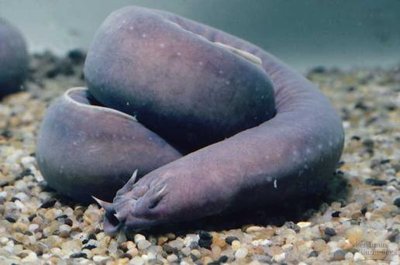
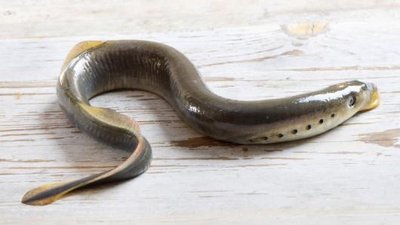
Note: Not all vertebrates possess fully developed vertebrae (e.g., hagfishes lack vertebrae; lampreys have primitive cartilaginous structures called arcualia).
Taxonomic Hierarchy
The classification of vertebrates follows a hierarchical system:
Kingdom
Phylum
Subphylum
Class
Order (often ends in –iformes)
Family (often ends in –idae)
Genus
Species
Mnemonic: King Philip Came Over For Good Spaghetti
Major Classes of Vertebrates
Fishes (Ichthyology)
Myxini: Hagfishes – Jawless, no vertebrae, marine, benthic.
Cephalaspidomorphi: Lampreys – Jawless, primitive vertebrae (arcualia), sucking mouth, marine/freshwater.
Chondrichthyes: Cartilaginous fishes (sharks, skates, rays).
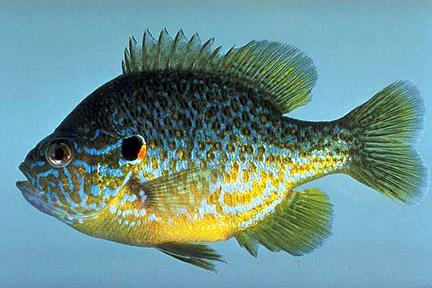
Actinopterygii: Bony, ray-finned fishes (most fishes).
Sarcopterygii: Bony, lobe-finned fishes (lungfishes, coelacanths).
Amphibians and Reptiles (Herpetology)
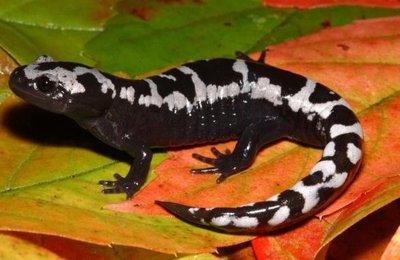
Class Amphibia: Amphibians (frogs, salamanders, caecilians).
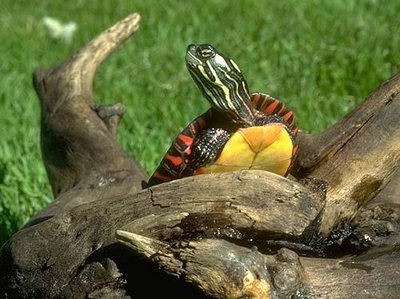
Class Reptilia: Reptiles (snakes, lizards, turtles, crocodilians).
Birds (Ornithology)
Class Aves: Birds – Characterized by feathers, beaks, and flight adaptations.
Mammals (Mammalogy)
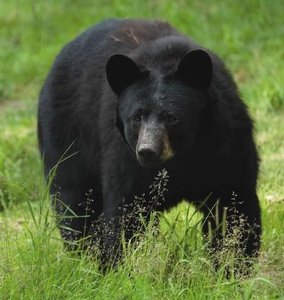
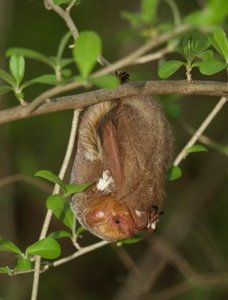
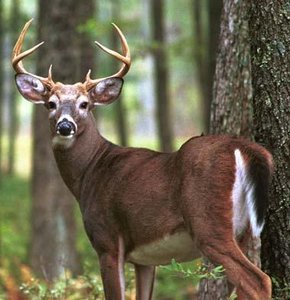
Class Mammalia: Mammals – Hair, mammary glands, endothermy.
Scientific Nomenclature
Binomial System
Scientific names consist of two parts: Genus species. Both are italicized or underlined. This system is universally accepted and eliminates confusion caused by common names.
Example: Salvelinus fontinalis (brook trout), Branta canadensis (Canada goose), Marmota monax (woodchuck).
Unique Developmental Features of Vertebrates
Hox Gene Complex
Hox genes are clusters of regulatory genes that control the development of body plans, including limb and organ formation. Vertebrates are unique in having multiple duplications of the Hox gene complex, which has contributed to their evolutionary complexity.
Jellyfishes: 1 cluster
Agnathans: 2–3 clusters
Gnathostomes: ≥4 clusters
Salmonids: up to 13 clusters
More Hox clusters allow for greater developmental and morphological diversity.
Neural Crest
The neural crest is a group of embryonic stem cells unique to vertebrates. These cells originate near the neural plate and migrate throughout the body, giving rise to diverse structures such as sensory organs and components of the nervous system.
Summary Table: Major Vertebrate Groups
Class | Common Name(s) | Key Features |
|---|---|---|
Myxini | Hagfishes | Jawless, no vertebrae, marine |
Cephalaspidomorphi | Lampreys | Jawless, primitive vertebrae (arcualia) |
Chondrichthyes | Sharks, skates, rays | Cartilaginous skeleton |
Actinopterygii | Ray-finned fishes | Bony skeleton, fins supported by rays |
Sarcopterygii | Lobe-finned fishes | Bony skeleton, fleshy fins |
Amphibia | Amphibians | Dual life (aquatic larvae, terrestrial adults) |
Reptilia | Reptiles | Scaly skin, amniotic eggs |
Aves | Birds | Feathers, beaks, flight adaptations |
Mammalia | Mammals | Hair, mammary glands, endothermy |
Key Terms and Definitions
Agnathan: Jawless vertebrate (e.g., hagfishes, lampreys).
Gnathostome: Jawed vertebrate (all other vertebrates).
Arcualia: Primitive cartilaginous vertebral elements in lampreys.
Cranium: Skull that protects the brain.
Neural Crest: Embryonic cells unique to vertebrates, forming diverse structures.
Hox Genes: Regulatory genes controlling body plan development.
