 Back
BackInvertebrate and Chordate Diversity: Structure, Function, and Evolution
Study Guide - Smart Notes
 Tailored notes based on your materials, expanded with key definitions, examples, and context.
Invertebrate Diversity
Overview of Animal Phylogeny
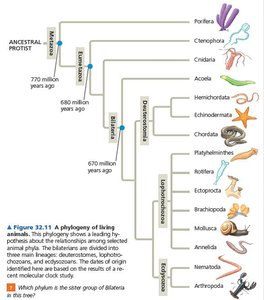
Animal diversity is organized into major clades based on evolutionary relationships, body plans, and developmental features. The animal kingdom is divided into groups such as Porifera, Cnidaria, Lophotrochozoa, Ecdysozoa, and Deuterostomia, each with unique characteristics.
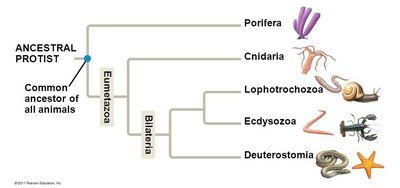
Porifera: Sponges, lacking true tissues.
Cnidaria: Jellyfish, corals, and hydras with radial symmetry and true tissues.
Lophotrochozoa: Includes flatworms, molluscs, and annelids, characterized by bilateral symmetry and triploblasty.
Ecdysozoa: Includes nematodes and arthropods, defined by molting (ecdysis).
Deuterostomia: Includes echinoderms and chordates.
Cnidaria
Key Body Plan Features
Cnidarians are diploblastic animals with radial symmetry and true tissues. They exhibit two main body forms: polyp and medusa. Their body plan is organized around a gastrovascular cavity used for both digestion and circulation.
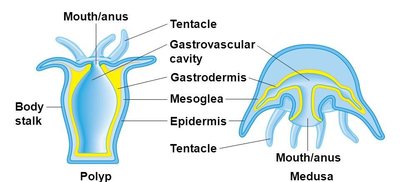
Polyp: Sessile form, mouth/anus faces upward.
Medusa: Free-swimming, mouth/anus faces downward.
Gastrovascular cavity: Central digestive compartment with a single opening.
Tissues: Epidermis (outer), gastrodermis (inner), and mesoglea (jelly-like layer in between).
Major Cnidarian Groups
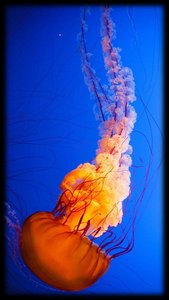
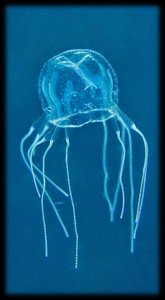
Medusozoans: Dominant medusa stage. Includes scyphozoans (true jellyfish), cubozoans (box jellyfish), and hydrozoans (hydra).
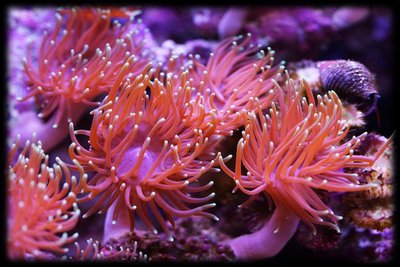
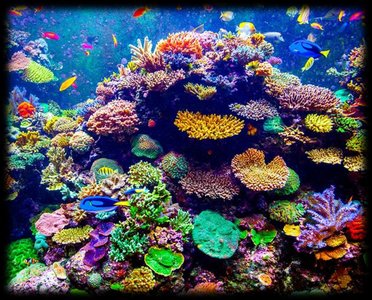
Anthozoans: Only polyp form. Includes corals and sea anemones. Corals often form colonies and have a hard exoskeleton of calcium carbonate, frequently in symbiosis with algae.
Ctenophora (Comb Jellies)
Distinctive Features
Ctenophores, or comb jellies, are marine invertebrates with true tissues and radial symmetry. Unlike cnidarians, they lack stinging cells and instead use sticky cells called colloblasts to capture prey. Locomotion is achieved by rows of fused cilia called "combs."
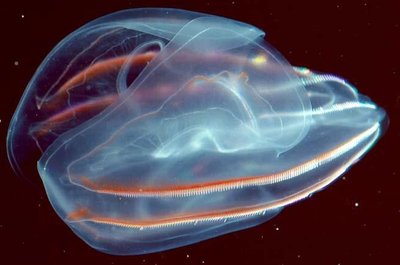
Colloblasts: Specialized cells for prey capture.
Fused cilia: Used for propulsion.
Lophotrochozoa
Defining Characteristics
Lophotrochozoa is a diverse clade of bilaterally symmetrical, triploblastic animals. Members may possess a lophophore (crown of ciliated tentacles for feeding) or a trochophore larval stage, though not all have these features. This group includes flatworms, molluscs, and annelids.
Lophophore: Feeding structure found in some phyla.
Trochophore: Distinctive larval stage.
Body plans: Highly variable, including acoelomate, coelomate, and pseudocoelomate forms.
Phylum Platyhelminthes (Flatworms)
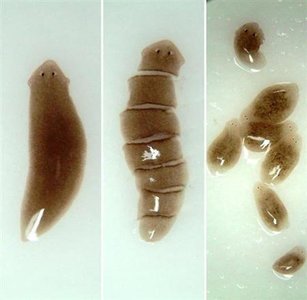
Flatworms are acoelomate, dorsoventrally flattened animals found in marine, freshwater, and moist terrestrial environments. They maximize surface area for gas exchange and waste elimination. Some are free-living (planarians), while others are parasitic (e.g., tapeworms).
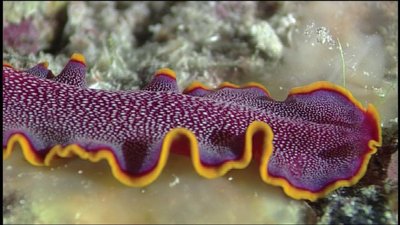
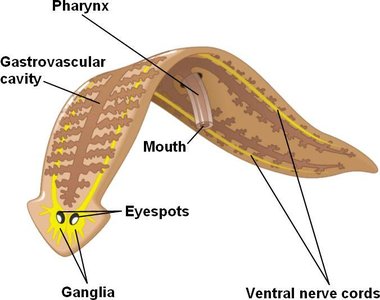
Acoelomate: Lacking a body cavity.
Light-sensitive eyespots: Detect light intensity and direction.
Ganglia: Clusters of nerve cells acting as a simple brain.
Reproduction in Planarians
Sexual reproduction: Hermaphroditic individuals cross-fertilize.
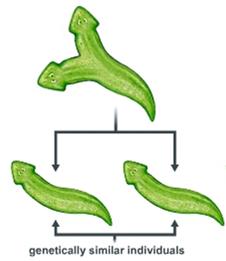
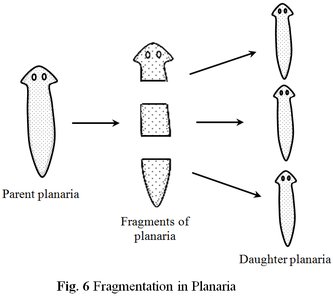
Asexual reproduction: Fission and regeneration; planarians can regenerate lost body parts.
Phylum Mollusca (Molluscs)
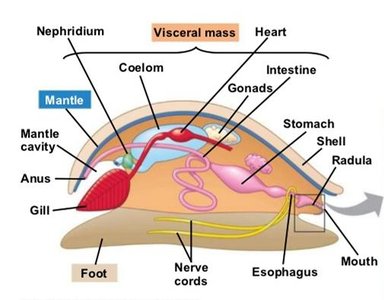
Molluscs are coelomate animals with a soft body, often protected by a calcium carbonate shell. They include snails, slugs, oysters, clams, squids, and octopuses. The body plan consists of three main parts: visceral mass, mantle, and foot.
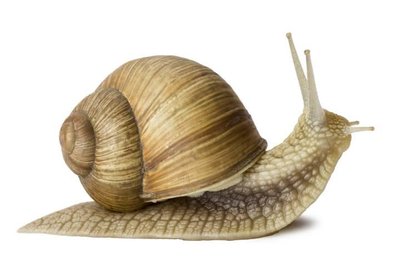
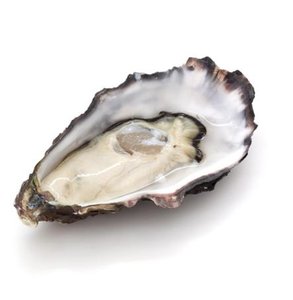
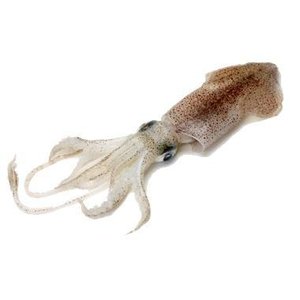
Visceral mass: Contains most internal organs.
Mantle: Secretes the shell and covers the visceral mass.
Foot: Used for movement.
Phylum Annelida (Segmented Worms)
Annelids are segmented, coelomate worms found in marine, freshwater, and terrestrial habitats. They include earthworms, leeches, and polychaetes. Segmentation allows for specialization of body regions and efficient movement.
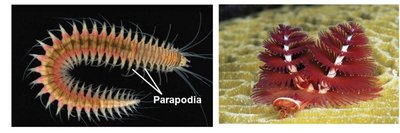
Errantians: Mobile, often with parapodia for locomotion.
Sedentarians: Less mobile, often with elaborate gills or tentacles for filter feeding; includes leeches and earthworms.
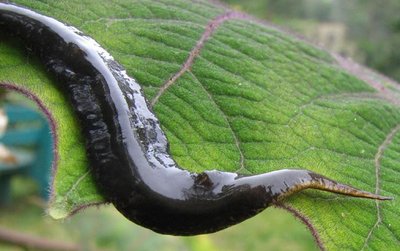
Leeches: Some are predators, others are blood-feeders, secreting anesthetics and anticoagulants.
Earthworm Anatomy and Reproduction
Hermaphrodites: Each individual has both male and female reproductive organs.
Crop: Stores food.
Gizzard: Grinds food with sand and small rocks.
Clitellum: Secretes eggs and mucus for reproduction.
Reproduction: Can reproduce sexually (exchange sperm) or asexually (fragmentation and regeneration).
Ecdysozoa
Defining Features
Ecdysozoa is a clade of animals characterized by ecdysis, the process of molting an external cuticle as they grow. This group includes nematodes and arthropods, both of which are highly diverse and abundant.
Ecdysis: Periodic shedding of the cuticle for growth.
Exoskeleton: Provides protection and support but can limit growth and movement between molts.
Phylum Chordata
Chordate Characteristics
Chordates are bilaterally symmetrical deuterostomes that include both invertebrate and vertebrate groups. All chordates share four key features at some stage of development: notochord, dorsal hollow nerve cord, pharyngeal slits or clefts, and a muscular post-anal tail.
Notochord: Flexible, rod-shaped structure providing skeletal support.
Dorsal hollow nerve cord: Develops into the central nervous system (brain and spinal cord).
Pharyngeal slits or clefts: Openings in the pharynx for filter feeding or gas exchange.
Muscular post-anal tail: Extends beyond the anus; used for locomotion in many aquatic species.
Invertebrate Chordates
Lancelets (Cephalochordata): Retain all chordate features as adults; filter feeders that swim by contracting muscles along the notochord.
Tunicates (Urochordata): Free-swimming larvae with chordate features; adults are sessile filter feeders, losing most chordate traits except pharyngeal slits.
Vertebrates
Derived characteristics: Skull and backbone, complex nervous system, increased gene complexity (e.g., more Hox genes).
Hox genes: Control body plan development; small changes can lead to major differences in animal form.
Hagfishes (Myxini): Jawless, lack true vertebrae, produce slime as a defense mechanism.
