 Back
Invertebrates: Diversity, Structure, and Evolutionary Relationships
Study Guide - Smart Notes
 Tailored notes based on your materials, expanded with key definitions, examples, and context.
Overview of Bilateria and Major Animal Clades
Introduction to Bilateria
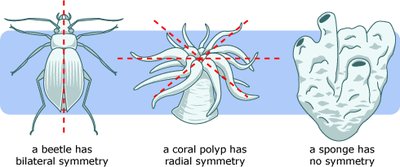
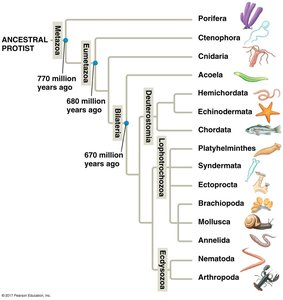
Bilateria is a major clade of animals characterized by bilateral symmetry, triploblastic development (three germ layers: ectoderm, mesoderm, endoderm), and often the presence of a coelom (body cavity). Bilaterians are divided into two main subclades: Protostomia and Deuterostomia. Protostomia includes Lophotrochozoa and Ecdysozoa, while Deuterostomia includes echinoderms and chordates.
Bilateral symmetry: Body plan with a single plane of symmetry, leading to distinct head and tail regions (cephalization).
Triploblastic: Having three embryonic tissue layers.
Coelom: A fluid-filled body cavity lined by mesoderm.
Major Animal Clades
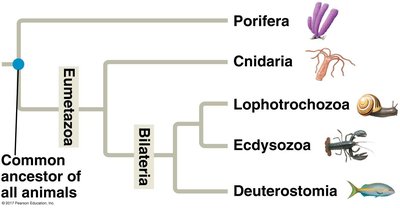
Animal diversity is organized into several major clades based on evolutionary relationships. The main groups include Porifera, Cnidaria, Lophotrochozoa, Ecdysozoa, and Deuterostomia. Bilateria encompasses Lophotrochozoa, Ecdysozoa, and Deuterostomia.
Porifera: Sponges, lacking true tissues and symmetry.
Cnidaria: Jellyfish, corals, and relatives with radial symmetry.
Lophotrochozoa: Includes molluscs, annelids, flatworms, and others.
Ecdysozoa: Includes arthropods and nematodes, characterized by molting (ecdysis).
Deuterostomia: Includes echinoderms and chordates.
Protostomia: Lophotrochozoa and Ecdysozoa
Lophotrochozoa
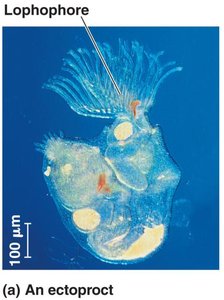
Lophotrochozoa is a diverse group of protostomes identified by molecular phylogenetics. Members may possess a lophophore (a crown of ciliated tentacles for feeding) or trochophore larvae (a distinct larval stage). This group includes several important phyla:
Annelida: Segmented worms.
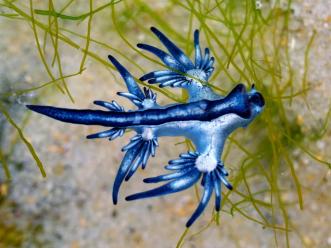
Mollusca: Mollusks such as snails, clams, and octopuses.
Ectoprocta (Bryozoa): Colonial animals with lophophores.
Brachiopoda: Lamp shells with lophophores.
Platyhelminthes: Flatworms, lacking both lophophore and trochophore.
Rotifera: Microscopic wheel animals.
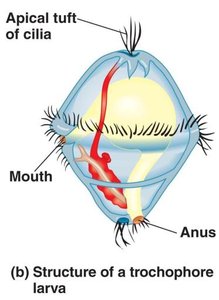
Ecdysozoa
Ecdysozoa is a clade of protostomes that undergo ecdysis, the periodic shedding of their exoskeleton. The two most diverse phyla are:
Arthropoda: Insects, spiders, crustaceans, and others with jointed exoskeletons made of chitin.
Nematoda: Roundworms, many of which are parasitic or free-living.
Ecdysozoans are morphologically diverse and include both aquatic and terrestrial representatives.
Platyhelminthes: Flatworms
General Characteristics
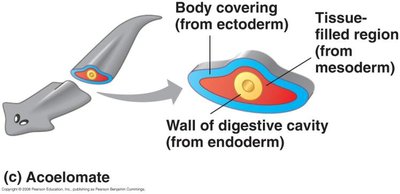
Flatworms (phylum Platyhelminthes) are acoelomate, dorsoventrally flattened animals. They lack a complete digestive tract (no through-gut) and instead possess a gastrovascular cavity for both digestion and circulation. Many species are parasitic, while others are free-living.
Acoelomate: Lacking a body cavity between the digestive tract and outer body wall.
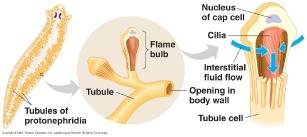
Protonephridia: Specialized excretory structures with flame bulbs for osmoregulation.
Hermaphroditic: Most species possess both male and female reproductive organs.
Asexual reproduction: Many can reproduce by fission or regeneration.
Parasitic Flatworms: Tapeworms
Tapeworms are highly specialized parasitic flatworms. They lack a digestive system and absorb nutrients directly through their body surface. Their body is composed of a scolex (attachment organ) and a series of proglottids (reproductive segments).
Scolex: Head region with hooks and/or suckers for attachment to host tissues.
Proglottids: Repeated segments, each containing reproductive organs.
Life cycle: Involves multiple hosts and complex developmental stages.
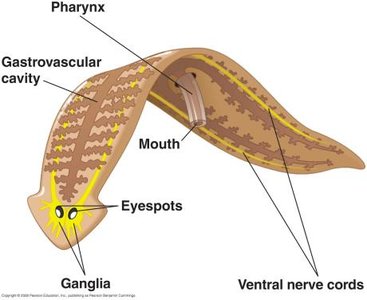
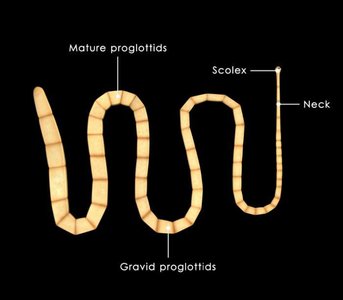
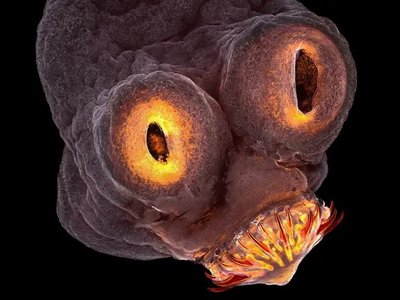
Annelida: Segmented Worms
General Characteristics
Annelids are coelomate, segmented worms with a body divided into repeating segments separated by septa. They possess a complete digestive tract (mouth and anus), a closed circulatory system, and a hydrostatic skeleton. Some are hermaphroditic, while others have separate sexes.
Segmentation: Repetition of body units, each with similar organs.
Hydrostatic skeleton: Fluid-filled coelom provides support for movement.
Habitat: Found in marine, freshwater, and terrestrial environments.
Diversity of Annelida
Annelids are divided into several major groups:
Polychaeta: Mostly marine, with parapodia and many chaetae (bristles).
Oligochaeta: Includes earthworms, mostly terrestrial or freshwater, with few chaetae.
Hirudinea: Leeches, mostly freshwater, some are predators or blood parasites.
Annelids play important ecological roles as deposit feeders, filter feeders, predators, and bioindicators. Marine annelids are especially abundant and diverse.
Mollusca: Clams, Snails, and Octopuses
General Characteristics
Molluscs are a diverse phylum with soft bodies, often protected by a calcium carbonate shell secreted by the mantle. Key features include a muscular foot for movement, a visceral mass containing organs, and a mantle cavity housing gills and other structures. Most molluscs have a radula, a toothed feeding organ, except bivalves.
Polyplacophora: Chitons with eight-plated shells.
Gastropoda: Snails and slugs.
Bivalvia: Clams, mussels, oysters, and scallops.
Cephalopoda: Squid, octopus, and nautilus.
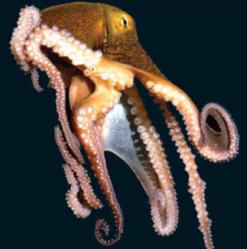
Ecdysozoa: Arthropods and Nematodes
Arthropoda
Arthropods are the most diverse animal phylum, characterized by a segmented body, jointed appendages, and a chitinous exoskeleton. The exoskeleton provides protection and support but must be periodically shed for growth (ecdysis). Arthropods have specialized respiratory structures (gills, book lungs, or tracheae) and are generally gonochoristic (separate sexes).
Major groups: Trilobitimorpha (extinct), Chelicerata (spiders, scorpions), Myriapoda (centipedes, millipedes), Pancrustacea (crustaceans and insects).
Ecological dominance: Crustaceans dominate marine environments; insects dominate terrestrial habitats.
Nematoda
Nematodes are unsegmented, cylindrical pseudocoelomates. Many are parasitic, but free-living species are also abundant. Caenorhabditis elegans is a model organism in biological research due to its simple anatomy, transparent body, and fully mapped genome.
Deuterostomia: Echinoderms and Chordates
Echinodermata
Echinoderms are exclusively marine animals with secondary radial symmetry as adults and bilateral symmetry as larvae. They possess a unique water vascular system with tube feet for locomotion and feeding. Echinoderms reproduce both sexually and asexually (regeneration).
Major groups: Asteroidea (sea stars), Ophiuroidea (brittle stars), Echinoidea (sea urchins, sand dollars), Crinoidea (sea lilies, feather stars), Holothuroidea (sea cucumbers).
Chordata
Chordates are defined by four unique traits present at some stage of development:
Notochord: Flexible rod for skeletal support.
Dorsal, hollow nerve cord: Located above the notochord.
Pharyngeal slits: Openings in the pharynx for filter feeding or modified into gills/jaws.
Post-anal tail: Muscular tail extending beyond the anus.
Two invertebrate chordate clades are Cephalochordata (lancelets) and Urochordata (tunicates). Vertebrates are a subclade of chordates.
