 Back
BackKingdom Animalia: Structure, Classification, and Diversity
Study Guide - Smart Notes
 Tailored notes based on your materials, expanded with key definitions, examples, and context.
Kingdom Animalia: Overview
What is an Animal?
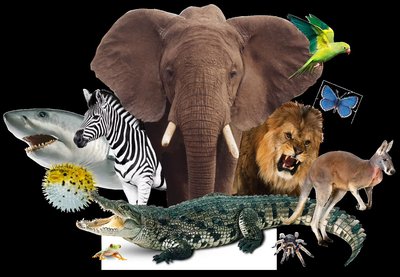
Animals are multicellular, eukaryotic organisms that obtain nutrients by ingestion. They are characterized by the presence of nerve and muscle cells, which facilitate movement, and their cells lack cell walls, being held together by an extracellular matrix. Most animals are capable of sexual reproduction. The earliest animal fossils date back 550-600 million years.
Multicellularity: All animals are composed of multiple cells.
Eukaryotic: Animal cells contain membrane-bound organelles.
Ingestion: Animals obtain nutrients by consuming other organisms.
Movement: Most animals possess specialized cells for movement.
Extracellular Matrix: Provides structural support in the absence of cell walls.
Sexual Reproduction: Most animals reproduce sexually, increasing genetic diversity.
A History of Life on Earth
Fossil Evidence of Early Animals
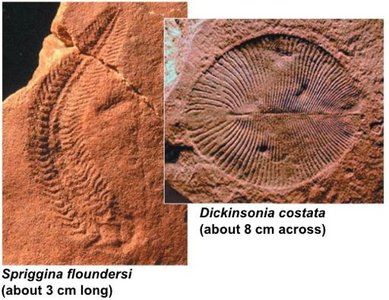
Fossils such as Spriggina floundersi and Dickinsonia costata provide evidence of early animal life, dating back to the Ediacaran period. These fossils help trace the evolutionary history of multicellular organisms.
Major Animal Phyla and Classification
Nine Major Animal Phyla
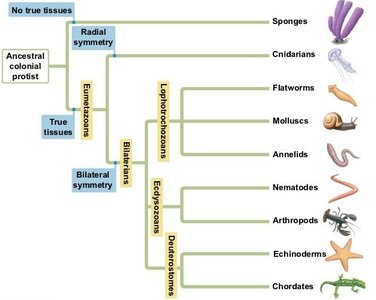
Animals are classified into several phyla based on anatomical and developmental characteristics. The nine major phyla include:
Porifera: Sponges
Cnidaria: Anemones, jellies
Platyhelminthes: Flatworms
Nematoda: Roundworms
Annelida: Segmented worms
Mollusca: Snails, octopus
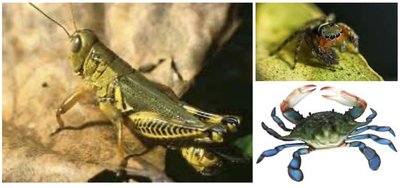
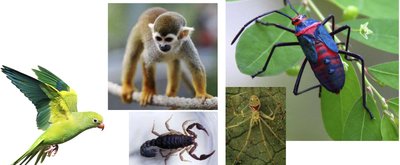
Arthropoda: Crabs, insects, spiders
Echinodermata: Starfish, sea urchins
Chordata: Fish, amphibians, reptiles, birds, mammals
Phylum Chordata: Subclassification
Fish-like chordates: Not all chordates are vertebrates.
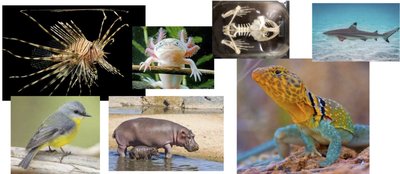
Subphylum Vertebrata: Includes jawless fish (Agnatha), cartilaginous fish (Chondrichthyes), bony fish (Osteichthyes), amphibians, reptiles, birds, and mammals.
Anatomical Characteristics for Classification
Body Symmetry
Animals are classified by their body symmetry:
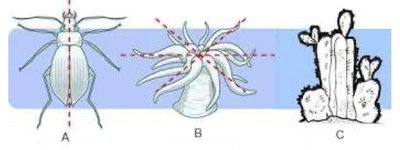
Bilateral symmetry: One plane divides the body into mirror-image halves.
Radial symmetry: Multiple planes divide the body into similar sections.
Asymmetry: No symmetry.
Examples of Symmetry
Bilateral: Arthropoda, Platyhelminthes, Mollusca, Nematoda, Annelida, Chordata
Radial: Cnidaria, Echinodermata (as adults)
Asymmetry: Porifera (sponges)
Segmentation
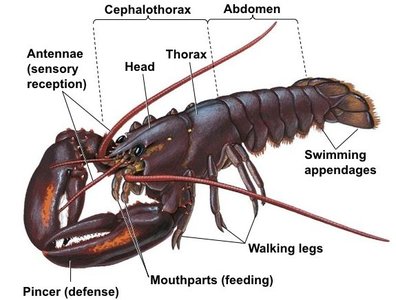
Segmentation refers to the repetition of body parts. Segments may specialize during development, as seen in annelids and arthropods.
Types of Skeleton
Exoskeleton: External skeleton found in arthropods, nematodes, some mollusks and sponges.
Endoskeleton: Internal skeleton found in vertebrates (Chordata).
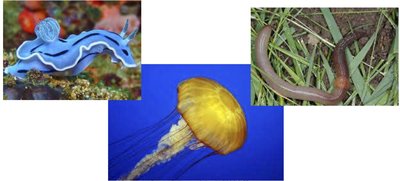
Hydrostatic skeleton: Fluid-filled cavity provides support, common in soft-bodied animals.
Paired Appendages
Animals with bilateral symmetry may have paired appendages for locomotion, typically two or three pairs.
Digestive Tract Types
None: Sponges absorb nutrients directly.
Incomplete (sac-like): One opening for food and waste.
Complete (tube-like): Separate mouth and anus.
Respiratory Systems
Direct through skin: Simple diffusion in small or thin animals.
Spiracles: Openings in insects for gas exchange.
Gills: Aquatic vertebrates.
Lungs: Terrestrial vertebrates.
Nervous System Development
None: Sponges
Nerve net: Cnidarians
Cephalization: Concentration of sensory organs in the head, seen in more complex animals
Presence of "True" Jaws
True jaws are present in most vertebrates, except jawless fish (Agnatha).
Developmental Biology
Diploblastic vs. Triploblastic Animals
Animals are classified by the number of tissue layers formed during embryonic development:
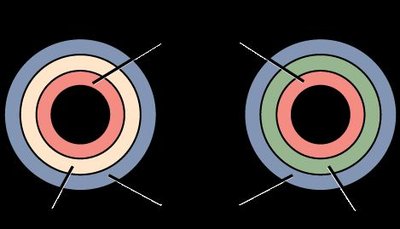
Diploblastic: Two tissue layers (ectoderm and endoderm), seen in cnidarians.
Triploblastic: Three tissue layers (ectoderm, mesoderm, endoderm), seen in most other animals.
Embryonic Development
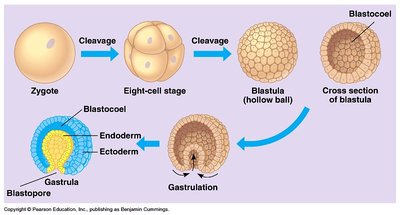
Animal development begins with a zygote, followed by cleavage, blastula formation, and gastrulation, which establishes tissue layers.
Ecological Classification
Animal Roles in Ecosystems
Autotrophs: Produce their own food (rare in animals).
Heterotrophs: Depend on other organisms for organic matter.
Macroconsumers: Herbivores, carnivores, scavengers, parasites.
Microconsumers: Decomposers and detritivores.
Other Key Terms
Adaptive Radiation: Rapid diversification of a lineage into multiple forms.
Homologous vs. Analogous Features: Homologous features arise from common ancestry; analogous features arise from convergent evolution.
Selective Agent: Environmental factor that influences survival and reproduction.
Classification of Unknown Specimens
Using Dichotomous Keys
Classification involves following a dichotomous key, starting from broad categories and narrowing down to phylum, class, and order as appropriate. For Arthropoda and Chordata, further classification is required.
Properties of Chordates
Dorsal, hollow nerve cord
Notochord
Pharyngeal slits: Develop into gills or ears
Post-anal tail: Present at some stage
Summary Table: Major Animal Phyla and Key Features
Phylum | Symmetry | Tissue Layers | Skeleton Type | Digestive Tract |
|---|---|---|---|---|
Porifera | Asymmetry | None | Hydrostatic/None | None |
Cnidaria | Radial | Diploblastic | Hydrostatic | Incomplete |
Platyhelminthes | Bilateral | Triploblastic | Hydrostatic | Incomplete |
Nematoda | Bilateral | Triploblastic | Exoskeleton | Complete |
Annelida | Bilateral | Triploblastic | Hydrostatic | Complete |
Mollusca | Bilateral | Triploblastic | Exoskeleton/None | Complete |
Arthropoda | Bilateral | Triploblastic | Exoskeleton | Complete |
Echinodermata | Radial (adult) | Triploblastic | Endoskeleton | Complete |
Chordata | Bilateral | Triploblastic | Endoskeleton | Complete |
Additional info: Table entries inferred from standard biology knowledge for completeness.
