 Back
Back8.3 Landscape Ecology: Structure, Function, and Conservation
Study Guide - Smart Notes
 Tailored notes based on your materials, expanded with key definitions, examples, and context.
Landscape Ecology
What is a Landscape?
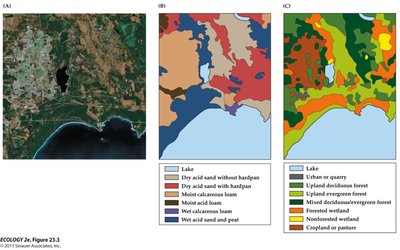
A landscape is defined as an area that is spatially heterogeneous, either in its elements or in the arrangement of those elements. This heterogeneity can be observed in the variety of habitats, landforms, and ecological processes present within a given area.
Spatial heterogeneity refers to the uneven distribution of various concentrations of each species within an area.
Landscapes are composed of different habitat types, such as forests, grasslands, wetlands, and urban areas.
Components of Landscape Heterogeneity
Landscape heterogeneity is described by two main components: landscape structure and landscape composition.
Landscape Structure: Refers to the configuration, including the size, shape, composition, number, and position of landscape elements within a landscape.
Landscape Composition: Refers to the kinds of habitat present and their relative abundance (e.g., percentage of forest, grassland, wetland).
Patches and Matrix
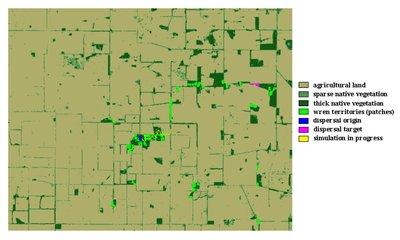
Landscapes are often described in terms of patches and the matrix:
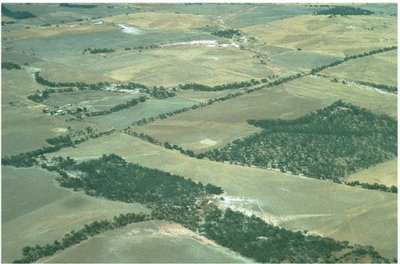
Patch: A continuous area of one habitat type (e.g., a forest patch within a grassland matrix).
Matrix: The background mosaic in which patches are embedded; often, the matrix is less suitable or unsuitable for certain species.
Patch Shape and Edge Effects
The size and shape of patches influence ecological processes, particularly the amount of edge habitat and the magnitude of edge effects.
Edge habitat: The boundary zone between different habitat types, often with unique environmental conditions.
Edge effects: Changes in population or community structures that occur at the boundary of two habitats.
Ecotones
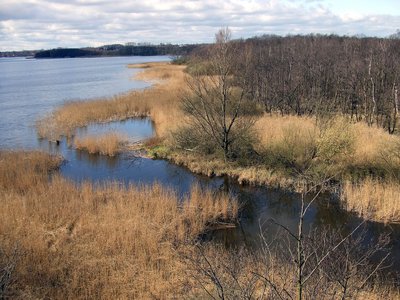
An ecotone is a transition zone from one ecosystem type to another, often characterized by high species diversity and unique environmental conditions.
Ecotones can be natural (e.g., reed beds between forest and lake) or human-made (e.g., forest-agriculture boundaries).
What Shapes Landscapes?
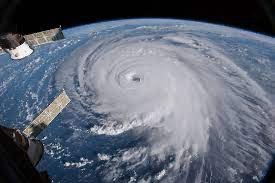
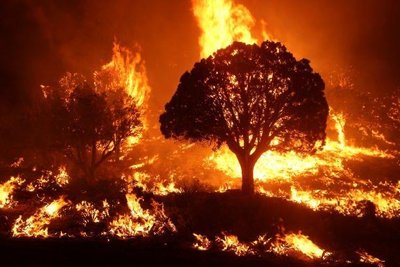
Several factors influence the structure and composition of landscapes:
Geological processes (e.g., erosion, sedimentation)
Climate (e.g., temperature, precipitation patterns)
Water and nutrient availability
Fire
Organisms (including humans)

Ecosystem Engineers
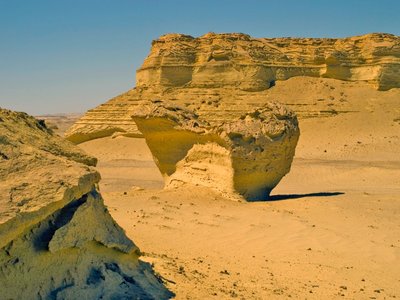
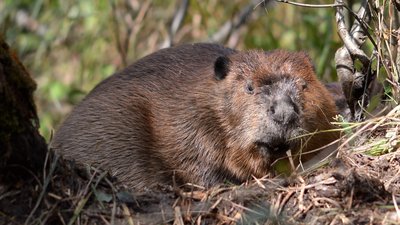
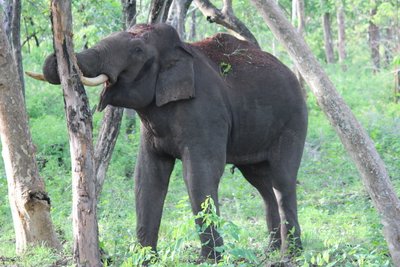
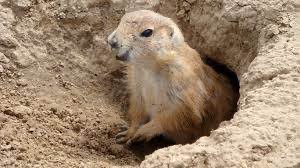
Ecosystem engineers are organisms that modify their physical environment in ways that influence the structure of landscapes, ecosystems, and communities.
Examples include beavers (build dams), elephants (knock down trees), and prairie dogs (dig burrows).
Importance of Landscape Ecology
Ecological Processes and Landscape Patterns
Landscape patterns regulate ecological processes by influencing movement between habitats. These processes include:
Energy transfer (e.g., movement of sunlight, heat, and organic matter)
Nutrient movement (e.g., cycling of nitrogen and phosphorus)
Metapopulation dynamics (e.g., local populations connected by dispersal)
Species interactions (e.g., predation, competition, mutualism)
Matrix Effects on Movement
The matrix can prohibit or reduce movement between patches, affecting species dispersal and gene flow.
Permeable matrices allow easier movement; impermeable matrices can isolate populations.
Habitat Fragmentation
Definition and Causes
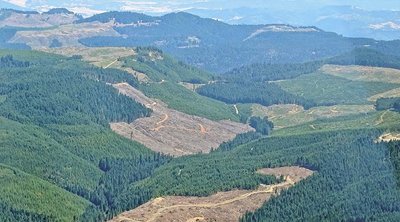
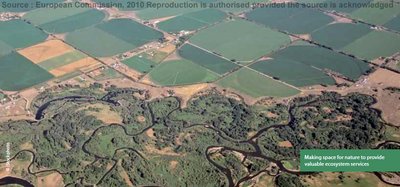
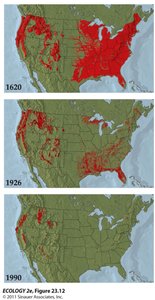
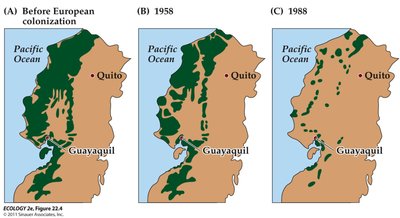
Habitat fragmentation occurs when humans alter a landscape, reducing the amount of continuous habitat and increasing the number of isolated patches.
Common causes include road construction, agriculture, and urban development.
Effects of Habitat Fragmentation
Decreases habitat area: Reduces the total area available for species, leading to smaller populations.
Isolates populations: If the matrix is impermeable, metapopulation dynamics break down and gene flow stops.
Alters conditions through increased edge habitat: Edge conditions differ from interior, favoring edge-adapted species and altering community composition.
Reserve Design and Conservation
Principles of Reserve Design
Effective nature reserve design must consider fragmentation and heterogeneity. One key debate is the SLOSS debate (Single Large Or Several Small reserves):
Single large reserve: May support more species due to larger area and less edge effect.
Several small reserves: May protect more habitat types and reduce risk of catastrophic loss.
Best Spatial Configuration for Core Natural Areas
Core natural areas should be designed to maximize interior habitat, minimize edge effects, and facilitate movement between patches. Corridors and buffer zones can enhance connectivity and ecological function.
No-Take Marine Reserves
No-take marine reserves are protected areas where all extractive activities are prohibited, allowing ecosystems to recover and maintain biodiversity.
Fragmentation Effect | Ecological Consequence |
|---|---|
Decreased habitat area | Smaller populations, increased extinction risk |
Population isolation | Reduced gene flow, inbreeding, local extinctions |
Increased edge habitat | Altered microclimate, increased predation, invasive species |
Additional info: Landscape ecology integrates spatial patterns with ecological processes, providing a framework for understanding and managing biodiversity in changing environments.
