 Back
Back3.2Life History Strategies and Variation in Organisms
Study Guide - Smart Notes
 Tailored notes based on your materials, expanded with key definitions, examples, and context.
Life History: Survival and Growth
Definition and Major Events
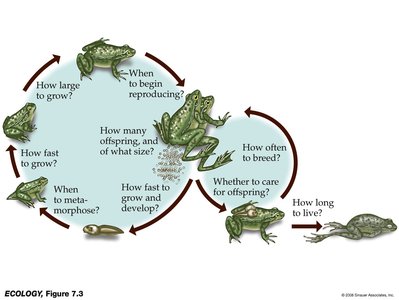
Life history refers to the record of major events in an organism’s life, encompassing aspects such as size and age at maturity, timing of development, age at death, age and size at reproduction, mode of reproduction, and number of offspring. These traits are fundamentally linked to the three major goals of an organism: survive, grow, and reproduce.
Size at maturity: The physical size when an organism becomes capable of reproduction.
Age at maturity: The age when an organism first reproduces.
Timing of development: When developmental milestones occur.
Mode of reproduction: Sexual or asexual reproduction, parental care, etc.
Number of offspring: Total offspring produced in a lifetime.
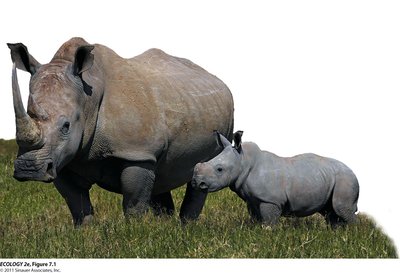
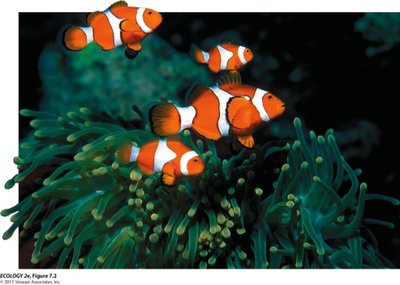
Complex Life Cycles
Definition and Examples
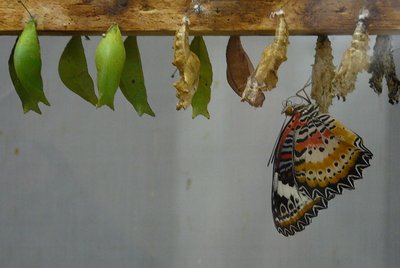
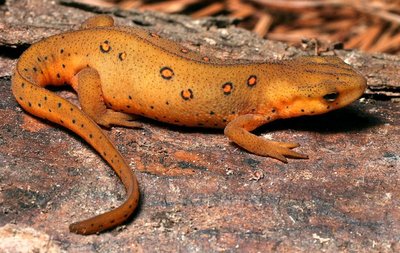
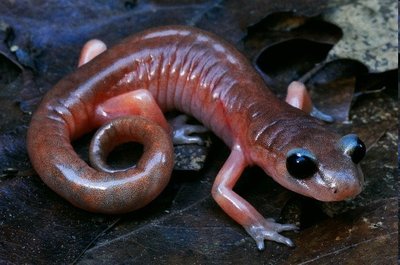
A complex life cycle is characterized by at least two distinct stages, which may differ in morphology, habitat, physiology, and behavior. This is common in many aquatic and terrestrial organisms.
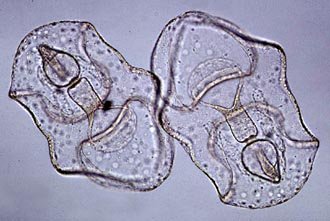
Pelagic larvae: Free-swimming larval stage in open water.
Benthic juveniles/adults: Bottom-dwelling stages after settlement.
Direct development: Life cycle proceeds directly from fertilized egg to juvenile, skipping larval stage.
Life History Variation
Evolutionary Drivers and Types of Variation
Life history variation is driven by evolution and natural selection. The optimal life history maximizes survival, growth, and reproduction, but is often constrained by trade-offs and environmental pressures.
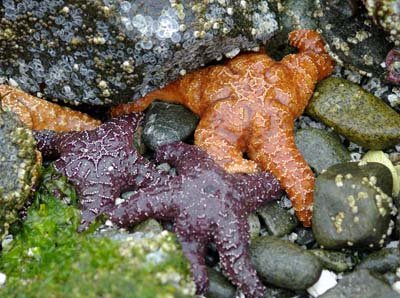
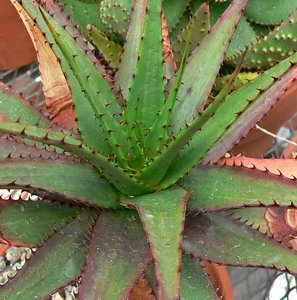
Among species: Different species exhibit distinct life history strategies.
Among individuals: Individuals within a species may vary in their life history traits.
Within an individual (plasticity): The same individual may express different traits under varying conditions.
Life History Strategy
The life history strategy is the overall pattern in life history events of a species, often described as the average for the population. For example, humans typically have one baby at a time, with an average of 2.05 children in a lifetime, and first reproduction at 24.9 years old.
Genetic Determination and Fitness
Natural Selection and Constraints
Life history traits are often genetically determined, allowing natural selection to act upon them to maximize fitness—the genetic contribution of an organism to future generations. However, adaptation is often constrained by trade-offs.
The Principle of Allocation
Resource Allocation and Trade-Offs
The principle of allocation states that evolution produces phenotypes that allocate limited resources between competing physiological processes to maximize fitness. This results in trade-offs, as no organism can excel at all aspects of survival, growth, and reproduction.
Example: Trade-off between producing many seeds and producing quality seeds in plants.
Phenotypic Plasticity
Definition and Ecological Importance
Phenotypic plasticity is the ability of a single genotype to produce different phenotypes under different environmental conditions. This trait is beneficial in variable environments and may itself be genetically based.
Plasticity in amphibians: Presence of prey or predators can change morphology, such as body shape or coloration.
Life History Traits: Survival, Growth, Reproduction
Survival
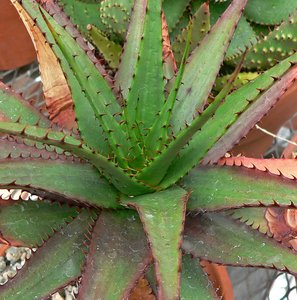
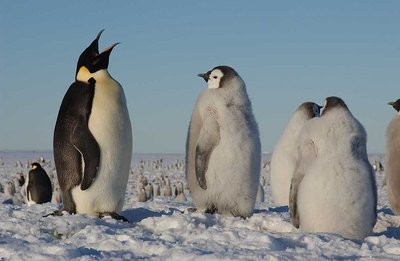
Survival is a key component of life history, with lifespan varying among organisms. Annuals live for one year, while perennials live for more than one year. Organisms die due to predation, starvation, environmental conditions, accumulation of mutations, or inability to repair declining functions. Senescence is the decline in fitness due to physiological deterioration.
Growth and Development
Growth and development are essential for reproduction. There is often a trade-off between rapid development and final body size. For example, Chinook salmon "jacks" return to spawning grounds early but are smaller and less competitive for mates. In amphibians, temporary ponds create strong selection pressure for rapid development, as slow development can result in death before maturity.
Selective Mortality
Selective mortality occurs when certain traits increase the likelihood of survival. Predation and environmental pressures can alter the number of survivors and select for specific traits within a population.
Summary Table: Life History Traits in Plants
Comparison of Lobelia Species
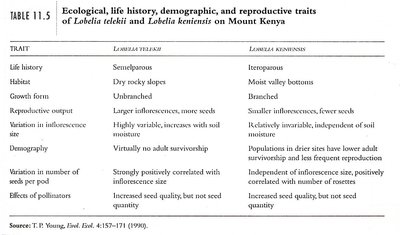
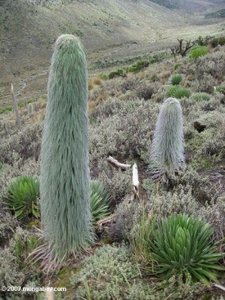
The following table compares ecological, life history, demographic, and reproductive traits of Lobelia telekii and Lobelia keniensis on Mount Kenya:
Trait | Lobelia telekii | Lobelia keniensis |
|---|---|---|
Life history | Semelparous | Iteroparous |
Habitat | Dry rocky slopes | Moist valley bottoms |
Growth form | Unbranched | Branched |
Reproductive output | Larger inflorescences, more seeds | Smaller inflorescences, fewer seeds |
Variation in inflorescence size | Highly variable, increases with soil moisture | Relatively invariable, independent of soil moisture |
Demography | Virtually no adult survivorship | Populations in drier sites have lower adult survivorship, increased in response to frequent inflorescence removal |
Variation in number of seeds per pod | Strongly positively correlated with inflorescence size | Independent of inflorescence size, positively correlated with reproductive output |
Effects of pollinators | Increased seed quality but not seed quantity | Increased seed quality, but not seed quantity |
Conclusion
Life history strategies are shaped by evolutionary pressures, environmental variability, and genetic constraints. Understanding these strategies and their variation among and within species is fundamental to ecology and evolutionary biology.
