 Back
Lipids and Related Biomolecules: Structure, Function, and Biological Importance
Study Guide - Smart Notes
 Tailored notes based on your materials, expanded with key definitions, examples, and context.
Lipids
Types of Lipids
Lipids are a diverse group of hydrophobic biomolecules essential for energy storage, cellular structure, and signaling. The main types include fats, oils, phospholipids, steroids, carotenoids, and vitamins.
Fats and Oils: Composed of triglycerides, which consist of one glycerol molecule and three fatty acids.
Fatty Acid Chains: Long hydrocarbon chains that store large amounts of energy—about twice as much as carbohydrates.
Saturated vs. Unsaturated Fatty Acids
Fatty acids are classified based on the presence or absence of double bonds in their hydrocarbon chains.
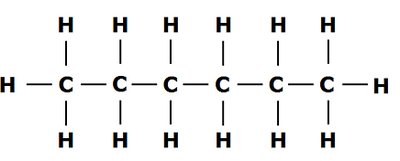
Saturated Fatty Acids: All carbon atoms are bonded to hydrogen, forming straight chains that stack easily, making them solid at room temperature (e.g., animal fat, butter).
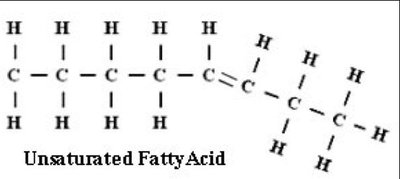
Unsaturated Fatty Acids: Contain one or more double bonds, resulting in bent chains that cannot stack, making them liquid at room temperature (e.g., olive oil, vegetable oil).
Hydrogenation and Trans Fats
Hydrogenation is a chemical process that breaks double bonds in unsaturated fats and adds hydrogen, converting them into solid fats and producing trans fats as a by-product.
Trans Fats: Associated with increased health risks, including heart disease.
Biological Functions and Health Implications
Lipids serve several vital functions in organisms:
Protection and Cushioning: Lipids protect and cushion organs.
Energy Storage: Lipids are the primary long-term energy storage molecules.
Temperature Regulation: Lipids help maintain body temperature.
Omega-3 Fatty Acids: Protect against heart disease and are anti-inflammatory.
Omega-6 Fatty Acids: Lower cancer risk and reduce "bad" cholesterol.
Health Cautions
Excessive lipid intake can promote atherosclerosis and heart disease, and increase calorie intake beyond the body's needs.
Phospholipids
Structure and Function
Phospholipids are a special group of lipids that form the structural basis of all cell membranes.
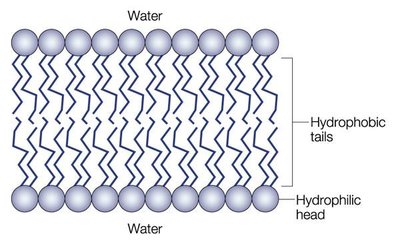
Structure: Composed of a glycerol backbone, two fatty acid tails (hydrophobic), and a phosphate group (hydrophilic).
Amphipathic Nature: The hydrophilic head interacts with water, while the hydrophobic tails avoid water.
Membrane Formation: When shaken in water, phospholipids form a double-layered membrane (bilayer), which is fundamental to cell membrane structure.
Steroids
Structure and Types
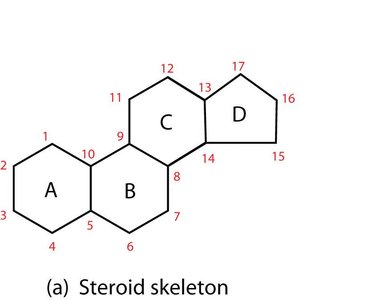
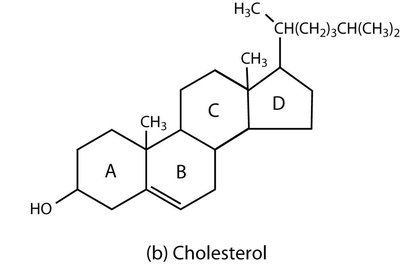
Steroids are lipids characterized by four fused carbon rings.
Hydrophobic Nature: Steroids do not dissolve in water.
Cholesterol: The most common steroid, essential for cell membrane structure and permeability, and a precursor for other steroids.
Bile Salts: Aid in digestion of fats.
Hormones: Include estrogen, testosterone, progesterone, and cortisol.
Anabolic Steroids
Anabolic steroids are synthetic versions of testosterone used to increase muscle mass, but can cause severe side effects such as mood swings, depression, liver damage, high cholesterol, shrunken testicles, decreased sex drive, and infertility.
Carotenoids
Structure and Biological Role
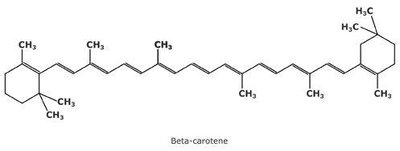
Carotenoids are light-absorbing pigments found in plants and animals.
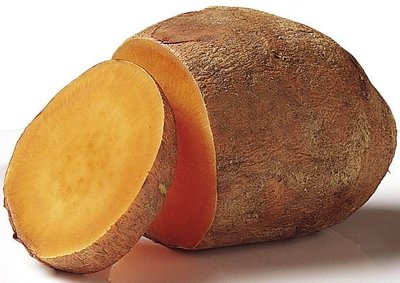
β-Carotene: A plant pigment used to trap light in photosynthesis. In animals, it is converted to vitamin A, which is essential for vision.
Vitamins
Types and Functions
Vitamins are small organic molecules essential for health, often derived from lipids or carotenoids.
Vitamin A: Made from beta-carotene; important for normal development, maintenance of cells, and night vision.
Vitamin D: Important for absorption of calcium in the intestines.
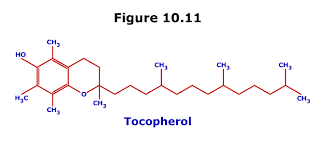
Vitamin E: An antioxidant that protects cell membranes.
Vitamin K: Required for normal blood clotting.
Molecular Structure of Vitamins
Vitamin C: Water-soluble vitamin important for immune function and collagen synthesis.
Vitamin E (Tocopherol): Lipid-soluble antioxidant that protects cell membranes from oxidative damage.
Summary Table: Lipid Types and Functions
Lipid Type | Structure | Main Function | Example |
|---|---|---|---|
Triglyceride | Glycerol + 3 fatty acids | Energy storage | Butter, oil |
Phospholipid | Glycerol + 2 fatty acids + phosphate | Cell membrane structure | Cell membrane |
Steroid | 4 fused carbon rings | Signaling, membrane structure | Cholesterol, hormones |
Carotenoid | Long hydrocarbon chain with rings | Light absorption, vitamin precursor | β-carotene |
Vitamin | Varied | Health, metabolism | Vitamin A, D, E, K |
Key Equations and Concepts
Triglyceride Formation:
Energy Storage: Lipids store approximately twice the energy per gram compared to carbohydrates.
Additional info:
Omega-3 and omega-6 fatty acids are essential nutrients that must be obtained from the diet.
Trans fats are produced during partial hydrogenation and are linked to negative health outcomes.
