 Back
Lipids and Related Biomolecules: Structure, Function, and Biological Importance
Study Guide - Smart Notes
 Tailored notes based on your materials, expanded with key definitions, examples, and context.
Lipids
Overview of Lipids
Lipids are a diverse group of hydrophobic biomolecules that include fats, oils, phospholipids, steroids, and carotenoids. They are essential for energy storage, cellular structure, and signaling in living organisms.
Fats and Oils: Also known as triglycerides, composed of one glycerol molecule and three fatty acid chains.
Energy Storage: Lipids store approximately twice as much energy per gram as carbohydrates due to their long hydrocarbon chains.
Fatty Acid Chains
Fatty acids are long hydrocarbon chains that can be either saturated or unsaturated, influencing their physical properties and biological roles.
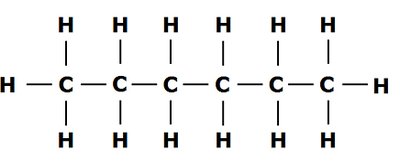
Saturated Fatty Acids: All carbon atoms are single-bonded to hydrogen, resulting in straight chains that pack tightly and are solid at room temperature (e.g., animal fat, butter).
Unsaturated Fatty Acids: Contain one or more double bonds between carbon atoms, causing bends in the chain and preventing tight packing. These are liquid at room temperature (e.g., olive oil, vegetable oil).
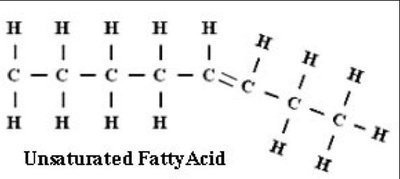
Hydrogenation: A chemical process that adds hydrogen to unsaturated fats, breaking double bonds and making them solid. This process produces trans-fats as a by-product, which are also solid and associated with health risks.
Biological Functions and Health Implications of Lipids
Protection and Cushioning: Lipids protect and cushion organs in animals.
Energy Storage: Serve as long-term energy reserves.
Thermal Insulation: Help maintain body temperature.
Essential Fatty Acids: Omega-3 fatty acids protect against heart disease and have anti-inflammatory properties; omega-6 fatty acids may lower cancer risk and reduce "bad" cholesterol.
Health Risks: Excessive lipid intake can promote atherosclerosis and heart disease, and increase calorie intake beyond metabolic needs.
Phospholipids
Structure and Function
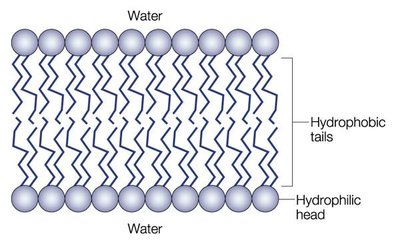
Phospholipids are a special class of lipids that form the structural basis of all cell membranes. They consist of a glycerol backbone, two fatty acid tails (hydrophobic), and a phosphate group (hydrophilic head).
Amphipathic Nature: Phospholipids have both hydrophilic (water-attracting) and hydrophobic (water-repelling) regions.
Membrane Formation: When placed in water, phospholipids spontaneously form a bilayer, with hydrophobic tails facing inward and hydrophilic heads facing outward, creating the fundamental structure of biological membranes.
Steroids
Structure and Types
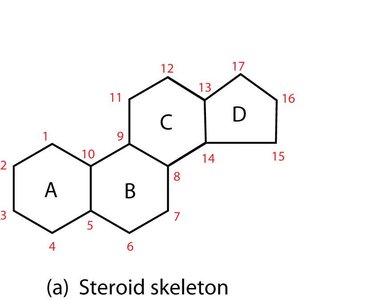
Steroids are a class of lipids characterized by a core structure of four fused carbon rings. They are hydrophobic and do not dissolve in water.
Cholesterol: The most common steroid, essential for cell membrane structure and permeability. It also serves as a precursor for other steroids.
Bile Salts: Derived from cholesterol, aid in the digestion of fats.
Steroid Hormones: Include estrogen, testosterone, progesterone, and cortisol, which regulate various physiological processes.
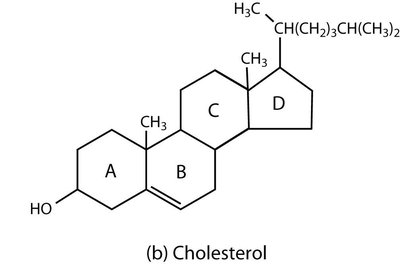
Anabolic Steroids: Synthetic derivatives of testosterone used to increase muscle mass. Misuse can lead to severe side effects such as mood swings, depression, liver damage, high cholesterol, shrunken testicles, decreased sex drive, and infertility.
Carotenoids
Structure and Biological Role
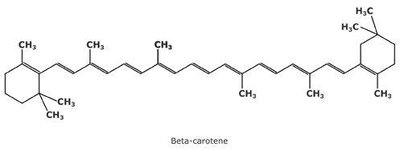
Carotenoids are light-absorbing pigments found in plants and some animals. They play a crucial role in photosynthesis and as precursors to essential vitamins.
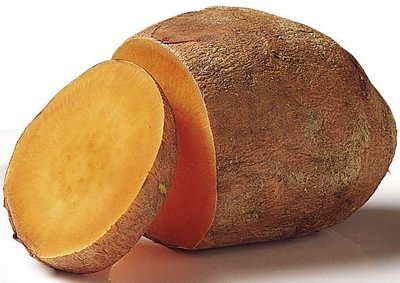
β-Carotene: A plant pigment that traps light energy for photosynthesis. In animals, it is converted into vitamin A, which is vital for vision.
Vitamins
Types and Functions
Vitamins are small organic molecules essential for health, often functioning as coenzymes or antioxidants.
Vitamin A: Derived from beta-carotene, important for normal development, cell maintenance, and night vision.
Vitamin D: Facilitates calcium absorption in the intestines, crucial for bone health.
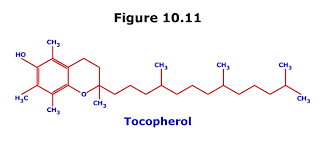
Vitamin E: Acts as an antioxidant, protecting cell membranes from oxidative damage.
Vitamin K: Required for normal blood clotting processes.
Summary Table: Types of Lipids and Their Functions
Lipid Type | Structure | Main Function | Examples |
|---|---|---|---|
Triglycerides | Glycerol + 3 fatty acids | Energy storage | Fats, oils |
Phospholipids | Glycerol + 2 fatty acids + phosphate group | Cell membrane structure | Cell membranes |
Steroids | Four fused carbon rings | Membrane structure, hormones | Cholesterol, hormones |
Carotenoids | Long hydrocarbon chains with conjugated double bonds | Light absorption, vitamin A precursor | β-carotene |
Key Equations
General formula for a triglyceride formation (dehydration synthesis):
Beta-carotene to Vitamin A conversion:
