 Back
Lipids, Membranes, and the First Cells: Structure, Properties, and Biological Functions
Study Guide - Smart Notes
 Tailored notes based on your materials, expanded with key definitions, examples, and context.
Lipids: Structure and Function
Types of Lipids
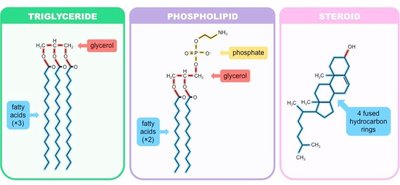
Lipids are a diverse group of hydrophobic biomolecules essential for energy storage, membrane structure, and cell signaling. The three main types of lipids are fats (triglycerides), phospholipids, and steroids.
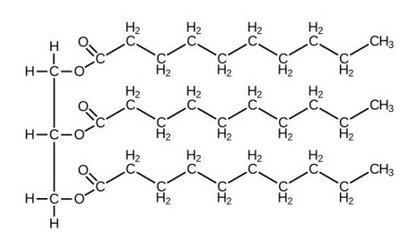
Fats (Triglycerides): Composed of a glycerol backbone and three fatty acid chains. They serve as long-term energy storage molecules in cells.
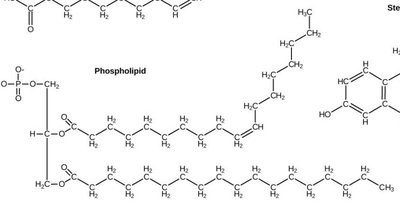
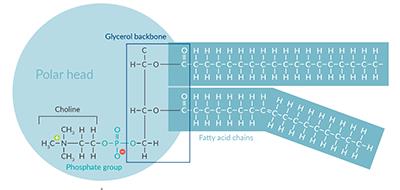
Phospholipids: Consist of a glycerol backbone, two fatty acid chains, and a phosphate group. They are amphipathic, meaning they have both hydrophobic and hydrophilic regions, making them key components of cell membranes.
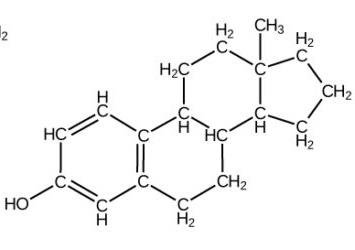
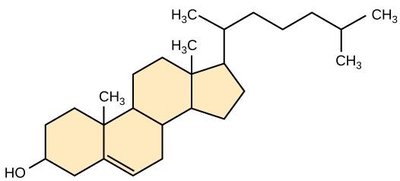
Steroids: Characterized by a structure of four fused hydrocarbon rings. Steroids function as signaling molecules (e.g., hormones) and are components of animal cell membranes (e.g., cholesterol).
Amphipathic Nature: Both phospholipids and some steroids possess amphipathic properties, allowing them to interact with both water and lipid environments.
Fatty Acids: Saturated vs. Unsaturated
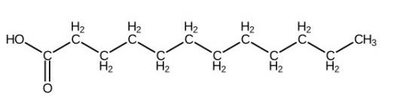
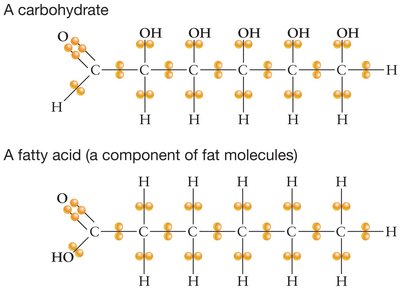
Fatty acids are hydrocarbon chains with a carboxyl group at one end. Their saturation level affects their physical state and biological function.
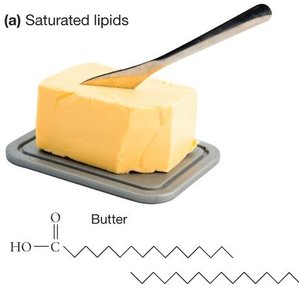
Saturated Fatty Acids: Contain only single C–C bonds, resulting in straight chains that pack tightly. They are solid at room temperature (e.g., butter).
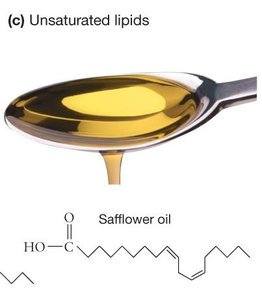
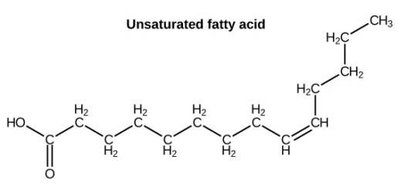
Unsaturated Fatty Acids: Contain one or more C=C double bonds, causing kinks in the chain. These prevent tight packing, making them liquid at room temperature (e.g., safflower oil).
Physical State: The degree of saturation and chain length determines whether a lipid is solid or liquid at room temperature.
Energy Storage in Fats
Fats (triglycerides) are highly efficient energy storage molecules due to their long hydrocarbon chains, which contain many high-energy bonds.
Energy Density: Fats store more energy per gram than carbohydrates because they are more reduced and have more C–H bonds.
Function in Cells: Fats are used for long-term energy storage and insulation.
Phospholipids and Membrane Structure
Phospholipid Bilayers
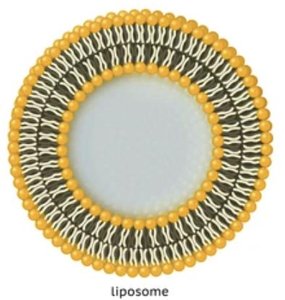
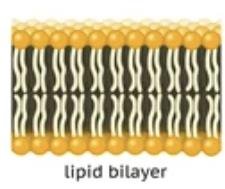
Phospholipids spontaneously form bilayers in aqueous environments due to their amphipathic nature. The hydrophilic heads face outward toward water, while the hydrophobic tails face inward, away from water.
Membrane Formation: Phospholipids can form micelles, bilayers, or liposomes depending on their structure and concentration.
Amphipathic Lipids: The dual nature of phospholipids is critical for membrane formation and function.
Selective Permeability of Membranes
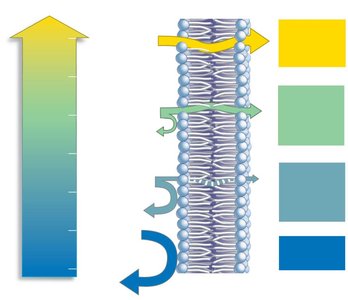
Phospholipid bilayers exhibit selective permeability, allowing certain molecules to pass while restricting others. Permeability depends on the size, polarity, and charge of the molecules, as well as the composition of the bilayer.
High Permeability: Small, nonpolar molecules (e.g., O2, CO2) pass easily.
Moderate Permeability: Small, uncharged polar molecules (e.g., H2O, glycerol).
Low Permeability: Large, uncharged polar molecules (e.g., glucose) and ions (e.g., Na+, Cl-).
Factors Affecting Permeability:
Molecule/solute structure
Phospholipid structure (saturation, tail length)
Cholesterol content
Temperature
Addition of other molecules
Role of Cholesterol in Membranes
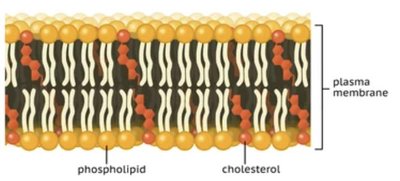
Cholesterol is an amphipathic steroid that modulates membrane fluidity and permeability.
Decreases Permeability: Cholesterol fills spaces between phospholipid head groups and forces tails closer together, reducing permeability.
Temperature Regulation: Cholesterol prevents membrane freezing at low temperatures and melting at high temperatures by disrupting tight packing and decreasing movement.
Membrane Adaptations to Temperature
Organisms adjust membrane composition to maintain fluidity under extreme temperatures.
Extreme Cold: More unsaturated fatty acids are incorporated to prevent freezing and rigidity.
Extreme Heat: Long saturated fatty acids (or isoprenoid groups) are used to prevent melting.
Physical State of Lipids
Saturated vs. Unsaturated Lipids
The physical state of lipids at room temperature is determined by their saturation and chain length.
Saturated Lipids:
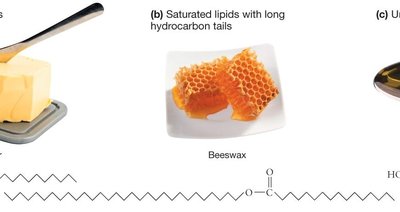
Very long hydrocarbon tails: stiff solid at room temperature (e.g., beeswax).
Saturated C–C single bonds: soft solid at room temperature (e.g., butter).
Unsaturated Lipids:
One or more C=C double bonds: liquid at room temperature (e.g., safflower oil).
Learning Check: Lipid Identification and Function
Identifying Lipid Types and Functions
Given structural models, students should be able to identify the lipid type, saturation level, physical state, and cellular function.
Saturated Fatty Acid: Solid, long-term energy storage.
Triglyceride/Fat: Saturated, long-term energy storage.
Unsaturated Fatty Acid: Liquid, long-term energy storage.
Phospholipid: Unsaturated, plasma membrane component.
Steroid: Signaling molecule and part of cell membrane.
Membrane Fluidity and Permeability
Effect of Lipid Composition
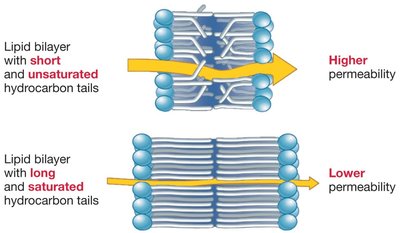
Membrane fluidity and permeability are influenced by the saturation and length of fatty acid tails in phospholipids.
Short, Unsaturated Tails: Increase membrane fluidity and permeability.
Long, Saturated Tails: Decrease membrane fluidity and permeability.
Conceptual Questions and Applications
Behavior of Lipids in Water
Triglycerides (e.g., olive oil): Do not form membranes spontaneously because they lack a polar end to interact with water. Instead, they aggregate in droplets, minimizing interaction with water.
Phospholipids: Form bilayers or micelles due to their amphipathic nature.
Artificial Membranes and Fluidity
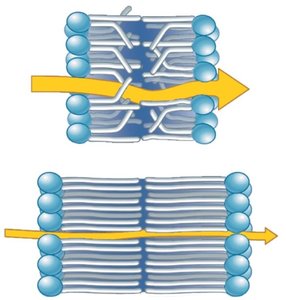
Membranes with short, unsaturated hydrocarbon tails are more fluid and allow water to pass more readily than those with long, saturated tails.
Summary Table: Lipid Types and Functions
Lipid Type | Structure | Physical State | Function |
|---|---|---|---|
Triglyceride (Fat) | Glycerol + 3 fatty acids | Solid (saturated), Liquid (unsaturated) | Energy storage |
Phospholipid | Glycerol + 2 fatty acids + phosphate | Varies | Membrane structure |
Steroid | 4 fused rings | Solid | Signaling, membrane component |
Key Terms
Amphipathic: Molecule with both hydrophilic and hydrophobic regions.
Selective Permeability: Property of membranes to allow some substances to pass while restricting others.
Saturated Fatty Acid: Fatty acid with only single bonds between carbon atoms.
Unsaturated Fatty Acid: Fatty acid with one or more double bonds between carbon atoms.
Cholesterol: Steroid that modulates membrane fluidity and permeability.
----------------------------------------
