 Back
BackLipids: Structure, Types, and Biological Functions
Study Guide - Smart Notes
 Tailored notes based on your materials, expanded with key definitions, examples, and context.
Lipids: Structure, Types, and Biological Functions
Overview of Lipids
Lipids are a diverse group of hydrophobic (nonpolar) biological molecules that play critical roles in energy storage, membrane structure, and signaling. Unlike carbohydrates, lipids are not polymers but are grouped together based on their insolubility in water. The four main types of lipids are triglycerides, phospholipids, steroids, and waxes.
Triglycerides: Fats and Oils
Structure and Synthesis
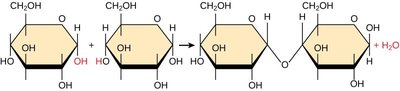
Triglycerides are composed of one glycerol molecule bonded to three fatty acids. The formation of a triglyceride occurs through a dehydration synthesis (condensation) reaction, where water molecules are released as each fatty acid forms an ester bond with glycerol.
Glycerol: A three-carbon alcohol with hydroxyl groups.
Fatty acids: Long hydrocarbon chains with a carboxyl group at one end.
Dehydration synthesis: The process by which triglycerides are formed, releasing three molecules of water.
Functions of Triglycerides
Long-term energy storage: Triglycerides store more energy per gram than carbohydrates.
Insulation: Fat deposits help maintain body temperature in animals.
Cushioning: Fat protects vital organs from mechanical shock.
Why Humans Like Fatty Foods
Fatty foods are an important energy source. In evolutionary history, energy-dense foods were less available, so humans developed a preference for fats due to their high caloric content.
Saturated vs. Unsaturated Fats
Saturated fats: No double bonds (C=C) in fatty acid chains; saturated with hydrogen atoms. Typically solid at room temperature and found in animal products.
Unsaturated fats: One or more double bonds (C=C) in fatty acid chains, causing kinks. Usually liquid at room temperature and found in plant products.
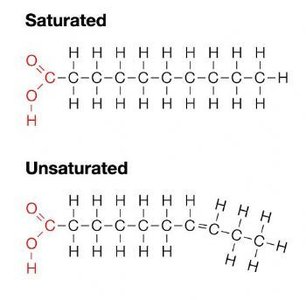
Comparison Table: Saturated vs. Unsaturated Fats
Property | Saturated Fat | Unsaturated Fat |
|---|---|---|
Double Bonds | None | One or more |
Shape | Straight chains | Kinked chains |
Source | Animals | Plants |
State at Room Temp | Solid | Liquid |
Trans Fats
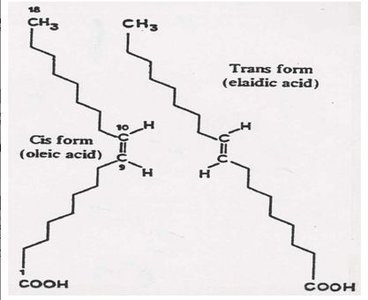
Trans fats are artificially produced by hydrogenating unsaturated oils, converting them into saturated fats. This process increases shelf life and makes the fat solid at room temperature, but trans fats are associated with negative health effects, including increased risk of heart disease.
Phospholipids
Structure
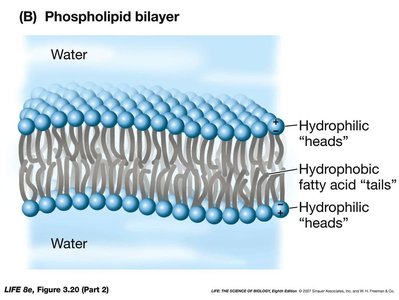
Phospholipids consist of a glycerol backbone, two fatty acid tails (one saturated, one unsaturated), and a phosphate group attached to a variable polar group. This structure gives phospholipids both hydrophilic (water-attracting) heads and hydrophobic (water-repelling) tails.
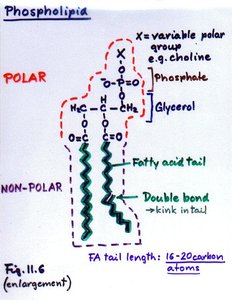
Function: Biological Membranes
Phospholipids are the main component of cell membranes. They form a bilayer, with hydrophobic tails facing inward and hydrophilic heads facing outward, creating a semi-permeable barrier that regulates the movement of substances into and out of cells.
Steroids
Structure and Function
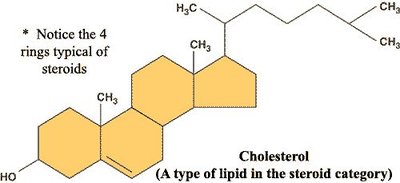
Steroids are lipids characterized by a structure of four fused carbon rings. Cholesterol is the most common steroid, serving as a precursor for other steroids, including sex hormones (e.g., estrogen, testosterone) and hormones involved in metabolism and immune response.
Waxes
Structure and Function
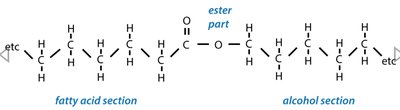
Waxes are composed of long-chain fatty acids bonded to long-chain alcohols. They are highly hydrophobic and serve as protective coatings to prevent water loss in plants (e.g., on leaves and fruits) and in animals (e.g., earwax).
Milk: Biological Context
What is Milk?
Milk is a nutrient-rich fluid produced by the mammary glands of mammals to nourish their young. It contains water, carbohydrates (mainly lactose), proteins, fats (including triglycerides and phospholipids), vitamins, and minerals. The composition of milk varies among species, reflecting the nutritional needs of the offspring.
Functions and Composition
Nutrition: Provides essential nutrients for growth and development.
Immunity: Contains antibodies and immune factors to protect newborns.
Species variation: Different mammals produce milk with varying fat, protein, and sugar content.
Summary Table: Types of Lipids and Their Functions
Lipid Type | Structure | Main Function |
|---|---|---|
Triglycerides | Glycerol + 3 fatty acids | Energy storage, insulation, cushioning |
Phospholipids | Glycerol + 2 fatty acids + phosphate | Cell membrane structure |
Steroids | 4 fused carbon rings | Hormones, membrane fluidity |
Waxes | Fatty acid + alcohol | Waterproofing, protection |
Additional info: Lipids are essential for life, not only as energy reserves but also as structural components of membranes and signaling molecules. Their hydrophobic nature is key to their biological roles, especially in forming barriers and storing energy efficiently.
