Back
Macromolecules: Carbohydrates and Lipids
Study Guide - Smart Notes
 Tailored notes based on your materials, expanded with key definitions, examples, and context.
Biomolecules and Macromolecules
Introduction to Organic Molecules
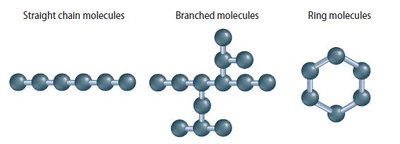
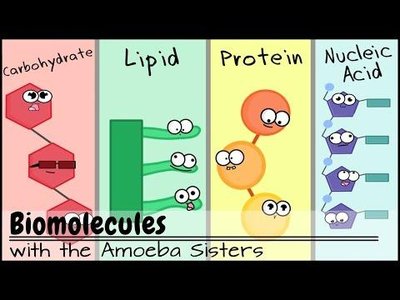
Organic molecules are the foundation of life, consisting primarily of carbon and hydrogen atoms. The versatility of carbon allows it to form straight chains, branched molecules, and rings, which are the basis for the diversity of organic compounds found in living organisms. Four major classes of biomolecules exist in organisms: carbohydrates, lipids, proteins, and nucleic acids.
Carbohydrates
Structure and Classification
Carbohydrates are organic molecules composed of carbon, hydrogen, and oxygen, typically in a 1:2:1 ratio (e.g., C6H12O6). They serve as central energy sources and provide structural support in plants, fungi, and animals. Carbohydrates are classified based on the number of sugar units:
Monosaccharides: Simple sugars (e.g., glucose, fructose, ribose)
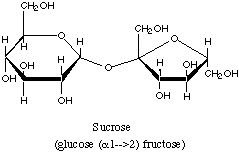
Disaccharides: Two monosaccharides linked by a glycosidic bond (e.g., sucrose, lactose, maltose)
Polysaccharides: Long chains of monosaccharides (e.g., starch, glycogen, cellulose, chitin)
Monosaccharides
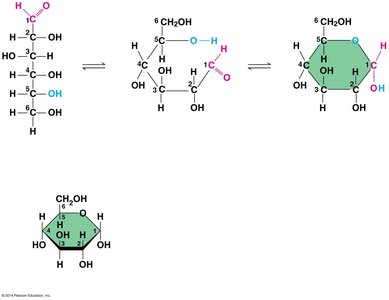
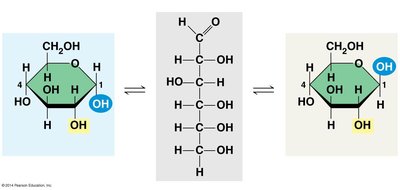
Monosaccharides are the simplest carbohydrates and serve as the monomers for larger carbohydrates. They can exist in linear or ring forms, with glucose being the most common example. In aqueous solutions, monosaccharides often form rings.
Triose: 3-carbon sugar (C3H6O3)
Pentose: 5-carbon sugar (C5H10O5)
Hexose: 6-carbon sugar (C6H12O6)
Monosaccharides are classified by the number of carbons and the position of the carbonyl group (aldehyde or ketone).
Disaccharides
Disaccharides are formed by joining two monosaccharides through a dehydration reaction, resulting in a covalent glycosidic linkage. Common examples include:
Sucrose: glucose + fructose
Lactose: glucose + galactose
Maltose: glucose + glucose
Polysaccharides
Polysaccharides are polymers of monosaccharides and serve as energy storage or structural materials. Their properties depend on the type of monomer and the glycosidic linkages.
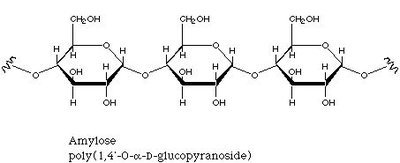
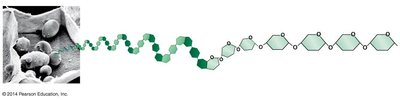
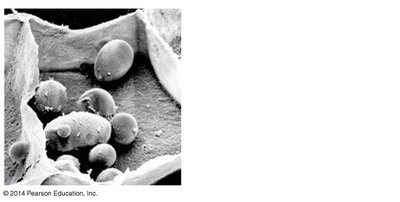
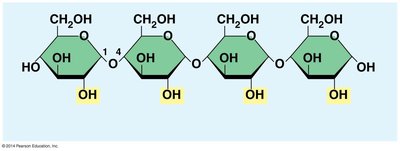
Starch: Storage polysaccharide in plants, composed of α-glucose monomers (amylose and amylopectin)
Glycogen: Storage polysaccharide in animals, mainly in liver and muscle cells
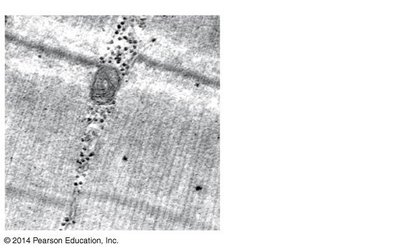
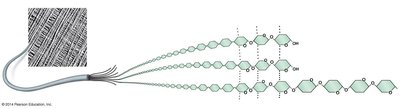
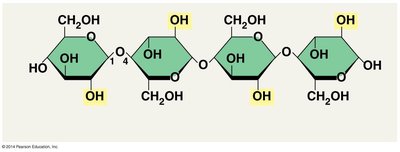
Cellulose: Structural polysaccharide in plant cell walls, composed of β-glucose monomers
Chitin: Structural polysaccharide in fungal cell walls and arthropod exoskeletons
Structural Differences in Polysaccharides
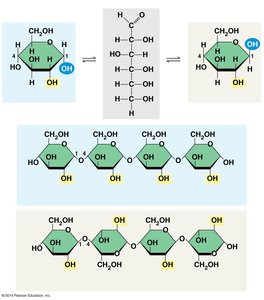
The structure and function of polysaccharides are determined by the type of glucose ring (α or β) and the glycosidic linkage:
Starch and Glycogen: α(1→4) glycosidic bonds, helical structure
Cellulose: β(1→4) glycosidic bonds, straight structure, forms microfibrils via hydrogen bonding
Carbohydrates as Structural Materials
Carbohydrates provide structural support in various organisms:
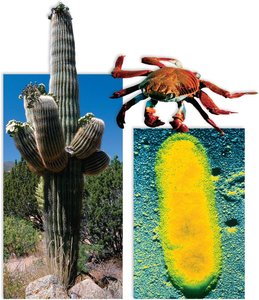
Cellulose: Plant cell walls
Chitin: Fungal cell walls and arthropod exoskeletons
Peptidoglycan: Bacterial cell walls
Lipids
Structure and Properties
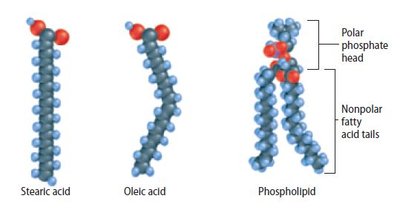
Lipids are a diverse group of hydrophobic molecules, primarily composed of carbon, hydrogen, and oxygen, but with a much lower proportion of oxygen compared to carbohydrates. Lipids do not form true polymers and are insoluble in water due to their nonpolar nature. Major classes of lipids include fats, phospholipids, and steroids.
Fats (Triglycerides)
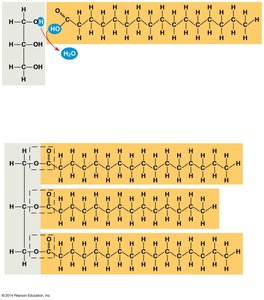
Fats are constructed from glycerol and fatty acids. Glycerol is a three-carbon alcohol, and each fatty acid consists of a carboxyl group attached to a long hydrocarbon chain. Three fatty acids are joined to glycerol by ester linkages, forming a triglyceride.
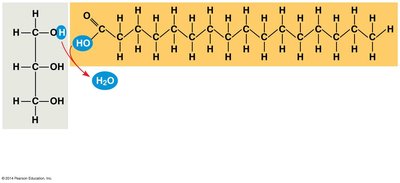
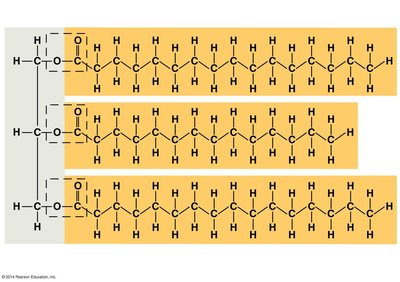
Saturated fatty acids: No double bonds, solid at room temperature (e.g., animal fats)
Unsaturated fatty acids: One or more double bonds, liquid at room temperature (e.g., plant and fish oils)
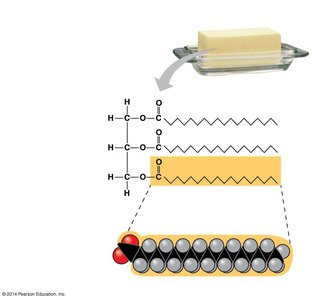
The major function of fats is long-term energy storage. Fats are also important for insulation and protection of organs.
Phospholipids
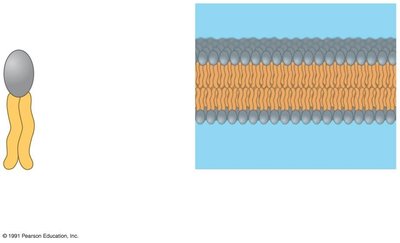
Phospholipids consist of two fatty acids and a phosphate group attached to glycerol. The fatty acid tails are hydrophobic, while the phosphate group forms a hydrophilic head. This amphipathic nature allows phospholipids to form bilayers, which are the fundamental structure of cell membranes.
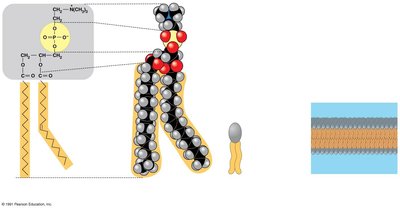
Steroids
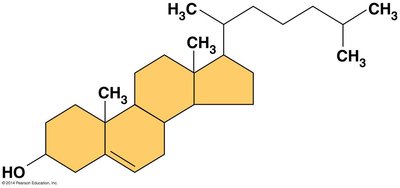
Steroids are lipids with a structure of four fused carbon rings. Cholesterol is a key steroid, essential for animal cell membranes and a precursor for steroid hormones. However, high cholesterol levels can contribute to cardiovascular disease.
Functions of Lipids
Energy storage
Formation of cell membranes (phospholipid bilayers)
Hormonal signaling (steroid hormones)
Water retention in plants (cuticle)
Structural roles (e.g., beeswax in honeycombs)