 Back
Macromolecules: Structure, Function, and Biological Importance
Study Guide - Smart Notes
 Tailored notes based on your materials, expanded with key definitions, examples, and context.
Macromolecules in Biology
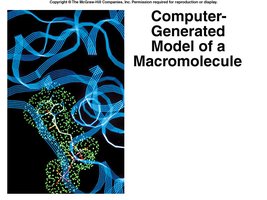
Overview of Macromolecules
Macromolecules are large, complex molecules essential for life, including carbohydrates, lipids, proteins, and nucleic acids. They are responsible for a wide range of biological functions, from energy storage to genetic information transmission.
Definition: Macromolecules are polymers formed from smaller subunits called monomers.
Examples: Carbohydrates, proteins, lipids, nucleic acids.
Importance: They provide structure, energy, and regulation within cells.
Polymer Formation and Breakdown
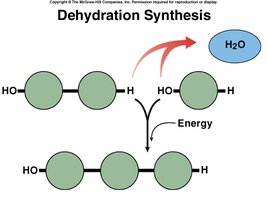
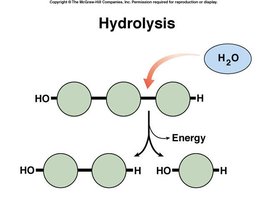
Macromolecules are synthesized and degraded through specific chemical reactions. Dehydration synthesis forms polymers, while hydrolysis breaks them down.
Dehydration Synthesis: Monomers are joined by removing a water molecule, requiring energy.
Hydrolysis: Polymers are broken into monomers by adding water, releasing energy.
Carbohydrates
Roles and Sources of Carbohydrates
Carbohydrates serve as energy sources, energy storage, and structural components in various organisms.
Energy: Immediate energy source (e.g., glucose).
Energy Storage: Stored as starch in plants and glycogen in animals.
Structure: Cellulose in plants, chitin in fungi and arthropods.
Sources: Found in bacteria, algae, plants, and animals.
Monosaccharides
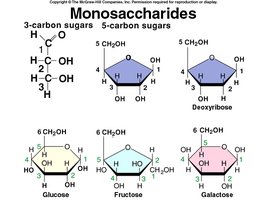
Monosaccharides are the simplest carbohydrates, consisting of single sugar units. They are classified by the number of carbon atoms.
3-carbon sugars: Glyceraldehyde
5-carbon sugars: Ribose, deoxyribose
6-carbon sugars: Glucose, fructose, galactose
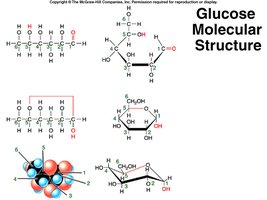
Glucose Molecular Structure
Glucose is a key monosaccharide used for energy in cells. It exists in linear and ring forms.
Chemical formula: C6H12O6
Structure: Can be depicted as a straight chain or a ring.
Disaccharides
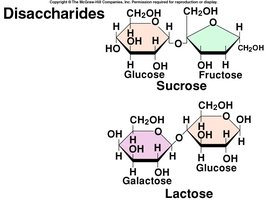
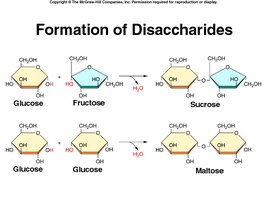
Disaccharides are formed by joining two monosaccharides via a glycosidic bond.
Sucrose: Glucose + Fructose
Lactose: Glucose + Galactose
Maltose: Glucose + Glucose
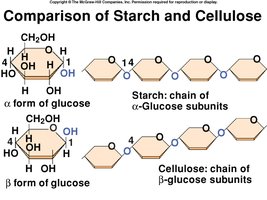
Polysaccharides: Starch, Glycogen, Cellulose, Chitin
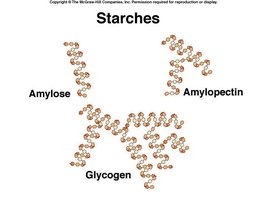
Polysaccharides are long chains of monosaccharides. They serve as storage or structural molecules.
Starch: Storage in plants (amylose and amylopectin).
Glycogen: Storage in animals.
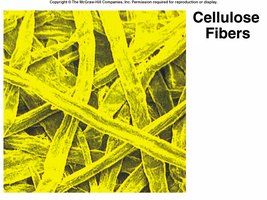
Cellulose: Structural component in plant cell walls.
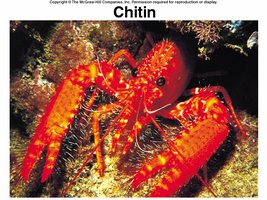
Chitin: Structural component in fungi and arthropods.
Lipids
Roles of Lipids
Lipids are hydrophobic molecules with diverse functions, including energy storage, insulation, protection, and structural roles.
Energy Storage: Triglycerides store energy for long-term use.
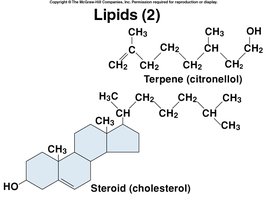
Hormonal Roles: Steroids act as hormones (e.g., estrogen, testosterone).
Insulation: Thermal (triglycerides) and electrical (sphingolipids).
Protection: Internal organs protected by triglycerides and waxes.
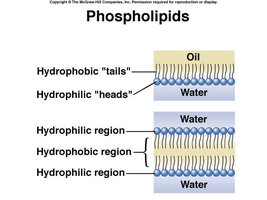
Structural Components: Phospholipids and cholesterol in cell membranes.
Lipid Structures
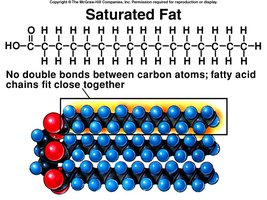
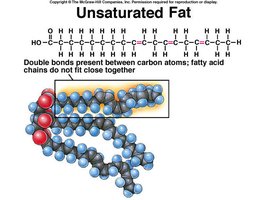
Lipids include triglycerides, phospholipids, and steroids. Their structure determines their function.
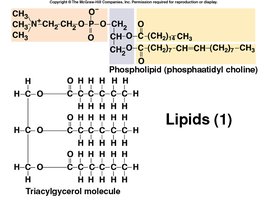
Triglycerides: Glycerol + 3 fatty acids.
Phospholipids: Glycerol + 2 fatty acids + phosphate group.
Steroids: Four fused carbon rings (e.g., cholesterol).
Nucleic Acids
Roles of Nucleic Acids
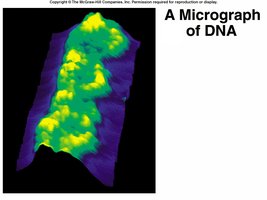
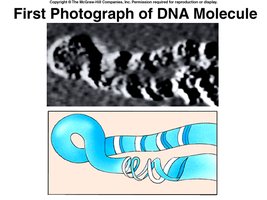
Nucleic acids store and transmit genetic information and are essential for protein synthesis.
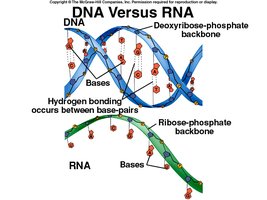
DNA: Stores genetic information.
RNA: Transmits genetic information and assists in protein synthesis.
Nucleic Acid Structure
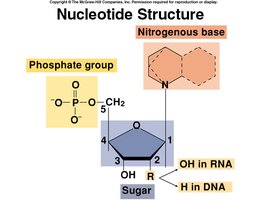
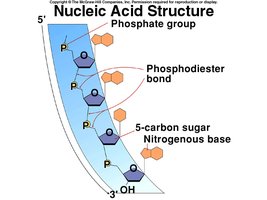
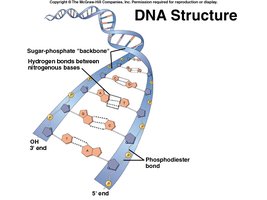
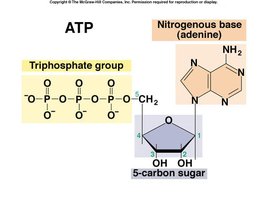
Nucleic acids are polymers of nucleotides, each consisting of a phosphate group, a five-carbon sugar, and a nitrogenous base.
Nucleotide: Basic unit of nucleic acids.
Phosphodiester bond: Links nucleotides together.
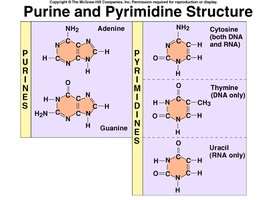
Purines: Adenine, guanine.
Pyrimidines: Cytosine, thymine (DNA), uracil (RNA).
Proteins
Roles of Proteins
Proteins are versatile macromolecules involved in protection, force generation, signaling, transport, catalysis, and storage.
Protection: Immunoglobulins, skeletal muscle.
Force Generation: Smooth and skeletal muscles.
Receptors: Dopamine, norepinephrine receptors.
Pumps: Hydrogen pump.
Enzymes: Acetylcholinesterase.
Storage: Iron storage proteins.
Transporters: Aquaporin.
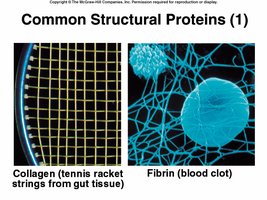
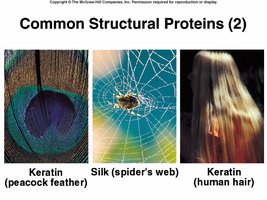
Structural Proteins
Structural proteins provide support and strength to cells and tissues.
Collagen: Found in connective tissues.
Fibrin: Forms blood clots.
Keratin: Found in feathers, hair.
Silk: Produced by spiders.
Amino Acids and Peptide Bonds
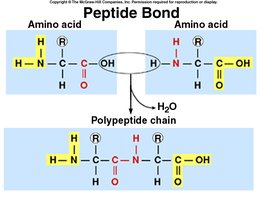
Amino acids are the monomers of proteins. They are linked by peptide bonds to form polypeptides.
Peptide Bond: Formed between the amino group of one amino acid and the carboxyl group of another, releasing water.
Polypeptide: Chain of amino acids.
Common Amino Acids
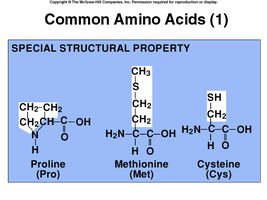
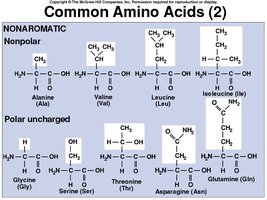
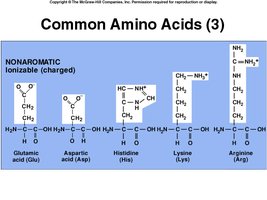
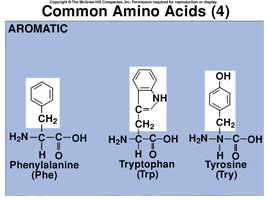
Amino acids are classified based on their side chains: nonpolar, polar uncharged, ionizable, and aromatic.
Special structural property: Proline, methionine, cysteine.
Nonpolar: Alanine, valine, leucine, isoleucine, glycine.
Polar uncharged: Serine, threonine, asparagine, glutamine.
Ionizable: Glutamic acid, aspartic acid, histidine, lysine, arginine.
Aromatic: Phenylalanine, tryptophan, tyrosine.
Levels of Protein Structure
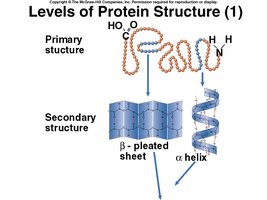
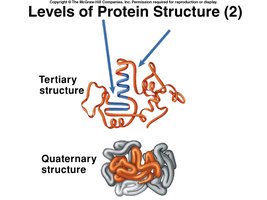
Proteins have four levels of structure: primary, secondary, tertiary, and quaternary. Each level is critical for protein function.
Primary: Sequence of amino acids.
Secondary: Alpha helix and beta-pleated sheet.
Tertiary: Three-dimensional folding.
Quaternary: Association of multiple polypeptide chains.
Hemoglobin Structure and Function
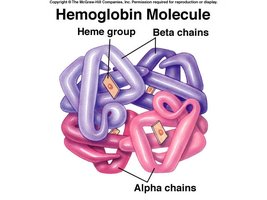
Hemoglobin is a quaternary protein responsible for oxygen transport in blood. It consists of alpha and beta chains and heme groups.
Function: Binds and releases oxygen efficiently.
Structure: Four polypeptide chains (2 alpha, 2 beta) and four heme groups.
Hemoglobin Saturation Curve
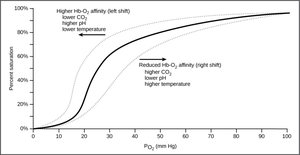
The hemoglobin saturation curve illustrates the relationship between oxygen partial pressure and hemoglobin saturation. Factors such as CO2, pH, and temperature affect oxygen affinity.
Left shift: Higher affinity (lower CO2, higher pH, lower temperature).
Right shift: Lower affinity (higher CO2, lower pH, higher temperature).
Summary Table: Macromolecule Comparison
Macromolecule | Monomer | Main Functions | Examples |
|---|---|---|---|
Carbohydrates | Monosaccharide | Energy, structure | Glucose, starch, cellulose |
Lipids | Fatty acid, glycerol | Energy storage, insulation, hormones | Triglycerides, phospholipids, steroids |
Proteins | Amino acid | Enzymes, structure, transport | Hemoglobin, collagen, enzymes |
Nucleic Acids | Nucleotide | Genetic information, protein synthesis | DNA, RNA, ATP |
Additional info: Some explanations and classifications were expanded for academic completeness and clarity.
