 Back
Macromolecules: Structure, Function, and Biological Importance
Study Guide - Smart Notes
 Tailored notes based on your materials, expanded with key definitions, examples, and context.
Macromolecules
I. Carbon: The Backbone of Life
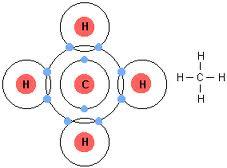
Carbon is a unique element that forms the foundation of all biological macromolecules. Its ability to form four covalent bonds allows for a vast diversity of organic compounds essential for life.
Bonding Capacity: Carbon can form four covalent bonds, enabling the construction of complex molecules.
Versatility: Bonds with hydrogen, oxygen, nitrogen, sulfur, and phosphorus to create a wide variety of organic molecules.
Diversity: The ability to form chains, rings, and branches accounts for the diversity of biological molecules.
D. Isomers
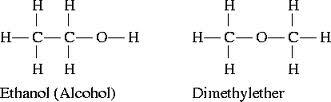
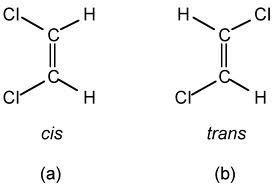
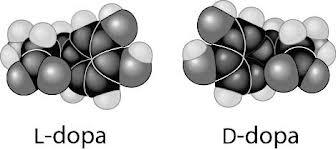
Isomers are compounds with the same chemical formula but different structures, leading to distinct properties.
Structural Isomers: Differ in the arrangement of atoms.
Cis-Trans Isomers: Differ in spatial arrangement around double bonds.
Enantiomers: Mirror images of each other; important in biology and medicine (e.g., L-dopa vs. D-dopa).
E. Functional Groups
Functional groups are specific groups of atoms within molecules that are responsible for the characteristic chemical reactions of those molecules.
Hydroxyl, Carbonyl, Carboxyl, Amino, Sulfhydryl, Phosphate, Methyl are the most important functional groups in biology.
Most are hydrophilic and increase solubility in water, except methyl, which is non-reactive but serves as a tag.
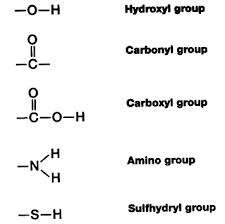
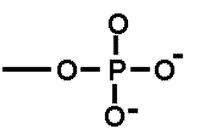
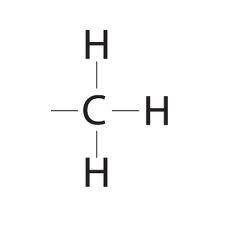
II. Macromolecules
A. Definition and Structure
Macromolecules are large molecules composed of smaller units called monomers, which are joined together by covalent bonds to form polymers. They are essential for cellular structure and function.
Monomer: A single subunit.
Polymer: Many monomers bonded together.
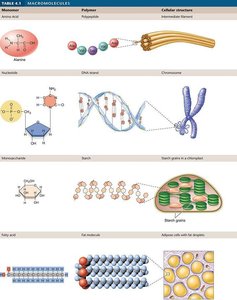
B. Four Types of Macromolecules
Carbohydrates
Lipids
Proteins
Nucleic Acids
1. Carbohydrates
Carbohydrates are organic molecules composed of carbon, hydrogen, and oxygen, typically with a 2:1 ratio of hydrogen to oxygen. They serve as energy sources and structural components.
Monomer: Monosaccharide (e.g., glucose, fructose, galactose)
Polymer: Polysaccharide (e.g., starch, glycogen, cellulose)
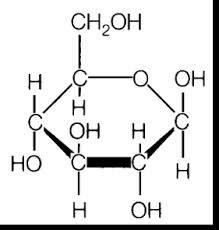
Types of Carbohydrates
Monosaccharides: Simple sugars (e.g., glucose, fructose)
Disaccharides: Two monosaccharides joined by a glycosidic bond (e.g., sucrose)
Polysaccharides: Many monosaccharides linked together (e.g., starch, glycogen, cellulose, chitin)
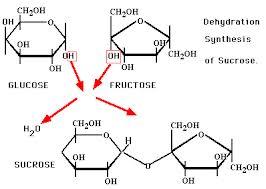
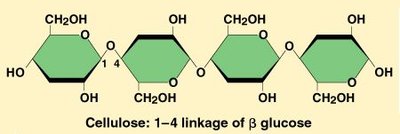
Functions of Polysaccharides
Energy Storage: Starch (plants), glycogen (animals)
Structural: Cellulose (plant cell walls), chitin (exoskeletons, fungal cell walls)
2. Lipids
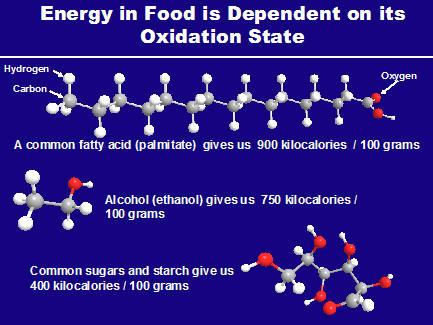
Lipids are hydrophobic molecules composed mainly of carbon and hydrogen. They are not true polymers but are grouped together due to their insolubility in water. Lipids include fats, phospholipids, and steroids.
Subunits: Glycerol and fatty acids
Bonds: Ester bonds
Functions: Energy storage, cell membrane structure, signaling molecules
Types of Lipids
Saturated Fats: All single bonds, solid at room temperature (e.g., butter, waxes)
Unsaturated Fats: One or more double bonds, liquid at room temperature (e.g., oils)
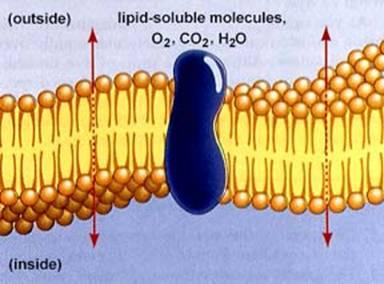
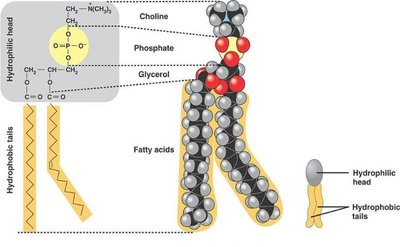
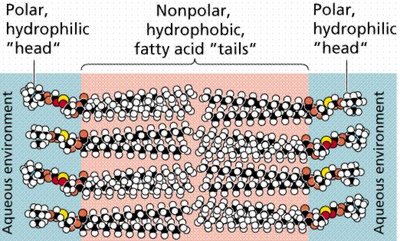
Phospholipids: Two fatty acids and a phosphate group; form cell membranes
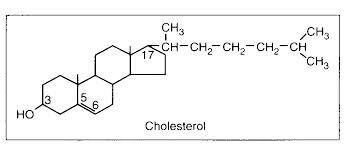
Steroids: Four fused carbon rings (e.g., cholesterol, hormones)


Health Implications
Trans Fats: Artificially hydrogenated fats, associated with health risks.
Omega-3 Fatty Acids: Beneficial for cardiovascular health.
3. Proteins
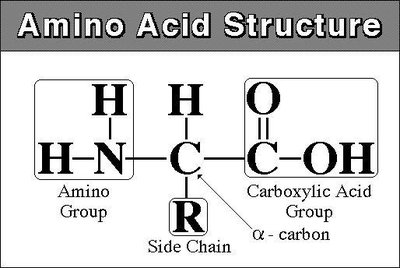
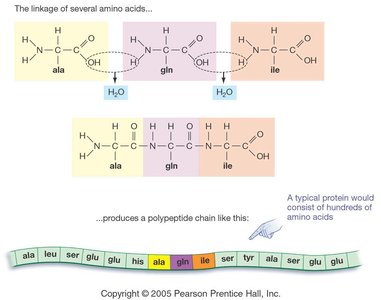
Proteins are polymers of amino acids and are essential for nearly every function in living organisms, including structure, catalysis, transport, and regulation.
Monomer: Amino acid (20 types)
Polymer: Polypeptide
Bonds: Peptide bonds (formed by dehydration synthesis)
Functions of Proteins
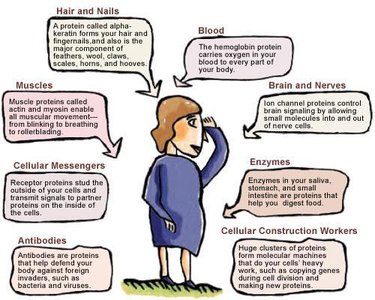
Structural: Hair, nails, skin, muscles
Enzymatic: Catalyze biochemical reactions
Transport: Hemoglobin transports oxygen
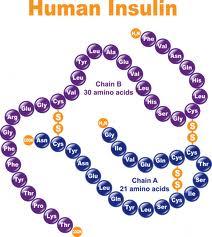
Regulation: Hormones like insulin
Defense: Antibodies in the immune system
Levels of Protein Structure
Primary: Sequence of amino acids
Secondary: Alpha helix and beta pleated sheets (hydrogen bonding)
Tertiary: 3D folding due to R-group interactions
Quaternary: Multiple polypeptide chains (e.g., hemoglobin)
Protein Folding and Misfolding
Denaturation: Loss of structure due to pH, temperature, or chemicals
Chaperonins: Assist in proper folding
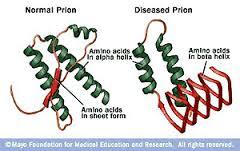
Prions: Misfolded proteins causing diseases (e.g., Alzheimer's, mad cow disease)
4. Nucleic Acids
Nucleic acids store and transmit genetic information. They are polymers of nucleotides, each consisting of a phosphate group, a five-carbon sugar, and a nitrogenous base.
Monomer: Nucleotide
Types: DNA (double helix), RNA (single strand)
Bases: Adenine, Thymine, Guanine, Cytosine (Uracil in RNA)
III. ATP (Adenosine Triphosphate)
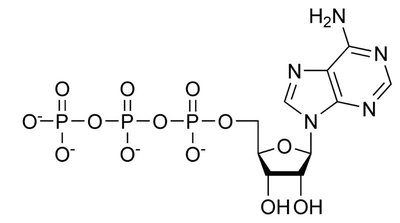
ATP is the primary energy carrier in cells. Energy is stored in the bonds between phosphate groups and is released when these bonds are broken, fueling cellular processes.
Structure: Adenine, ribose, and three phosphate groups
Energy Release: Hydrolysis of ATP to ADP + P releases energy
Source: Energy comes from the breakdown of carbohydrates, lipids, and proteins
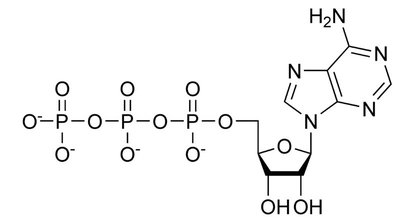
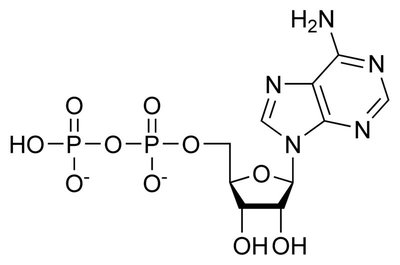
Equation:
Additional info: ATP hydrolysis is a central reaction in metabolism, coupling energy-releasing and energy-consuming processes in the cell.
