 Back
Macromolecules: Structure, Function, and Biological Importance
Study Guide - Smart Notes
 Tailored notes based on your materials, expanded with key definitions, examples, and context.
Macromolecules: Structure and Function
Overview of Biological Macromolecules
Biological macromolecules are large, complex molecules essential for life. They include carbohydrates, lipids, proteins, and nucleic acids. Each type has unique structures, building blocks, and functions in living organisms.
Monomers are the basic building blocks of macromolecules.
Polymers are long chains of monomers linked by covalent bonds.
Macromolecules are assembled by dehydration reactions (removal of water) and broken down by hydrolysis reactions (addition of water).
Carbohydrates
Structure and Types
Carbohydrates are hydrophilic molecules that serve as energy sources and structural components. They are classified based on the number of sugar units:
Monosaccharides: Simple sugars (e.g., glucose, fructose).
Disaccharides: Two monosaccharides joined together (e.g., sucrose, lactose).
Polysaccharides: Long chains of monosaccharides (e.g., starch, cellulose).
Functions: Energy storage (starch, glycogen), structural support (cellulose in plants).
Lipids
Types and Functions
Lipids are hydrophobic molecules that include fats, oils, phospholipids, and steroids. They are not true polymers but are grouped based on their insolubility in water.
Triglycerides: Composed of glycerol and three fatty acids; main form of energy storage.
Saturated vs. Unsaturated Fats: Saturated fats have no double bonds (solid at room temperature); unsaturated fats have one or more double bonds (liquid at room temperature).
Phospholipids
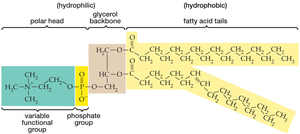
Phospholipids are unique lipids that form the main structure of cell membranes. They have a hydrophilic (polar) head and two hydrophobic (non-polar) fatty acid tails.
Structure: Glycerol backbone, two fatty acids, and a phosphate group with a variable functional group.
Function: Form bilayers in cell membranes, creating a barrier between the cell and its environment.
Steroids
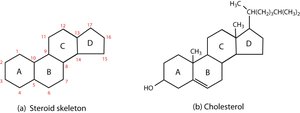
Steroids are lipids with a structure of four fused carbon rings. They differ from other lipids in both structure and function.
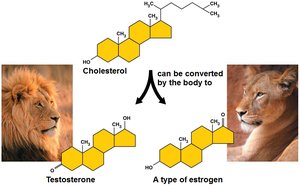
Cholesterol: A key component of cell membranes and the precursor for other steroids such as hormones.
Hormones: Steroids like estrogen and testosterone are derived from cholesterol.
Proteins
Structure and Function
Proteins are polymers made of amino acid monomers. They perform a vast array of functions, including catalysis (enzymes), structure, transport, and signaling.
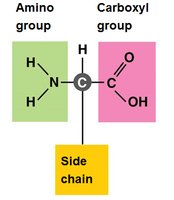
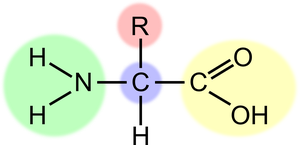
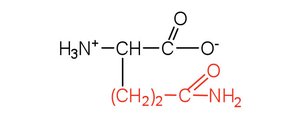
Amino acids: Each has a central carbon, an amino group, a carboxyl group, a hydrogen atom, and a variable side chain (R group).
Peptide bonds: Covalent bonds formed by dehydration reactions between amino acids.
Polypeptides: Chains of amino acids; a protein may consist of one or more polypeptides.
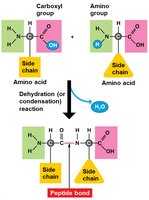
Levels of Protein Structure
Protein function depends on its three-dimensional structure, which is organized into four levels:
Primary structure: Sequence of amino acids.
Secondary structure: Local folding (alpha helices, beta sheets) stabilized by hydrogen bonds.
Tertiary structure: Overall 3D shape formed by interactions among side chains.
Quaternary structure: Association of multiple polypeptide chains.
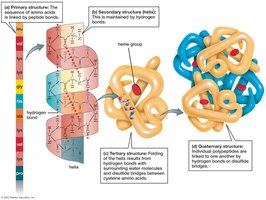
Protein Folding and Function
The side chains (R groups) of amino acids determine how a protein folds and its final shape. Even a single amino acid change can alter protein function, as seen in sickle-cell hemoglobin.
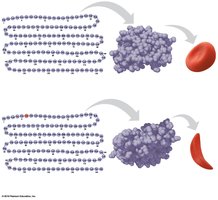
Denaturation
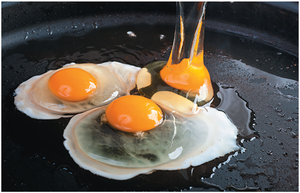
Denaturation is the loss of a protein's functional shape due to heat, pH changes, or mechanical disruption. The primary structure remains intact, but the protein loses its function.
Examples: Cooking eggs (heat), adding acid or base, whipping cream (mechanical).
Nucleic Acids
Structure and Types
Nucleic acids are polymers of nucleotides and store genetic information. The two main types are DNA and RNA.
Nucleotide: Consists of a 5-carbon sugar (ribose or deoxyribose), a phosphate group, and a nitrogenous base (adenine, thymine, guanine, cytosine, uracil).
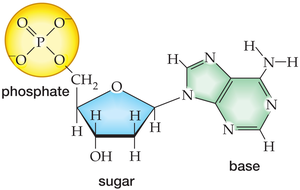
DNA and RNA
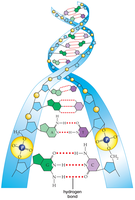
DNA (Deoxyribonucleic acid): Double-stranded helix; stores genetic information for protein synthesis.
RNA (Ribonucleic acid): Single-stranded; involved in translating genetic information into proteins.
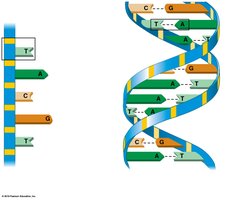
ATP: The Energy Currency
Adenosine triphosphate (ATP) is a nucleotide that stores and transfers energy within cells. Energy is released when a phosphate bond is broken.
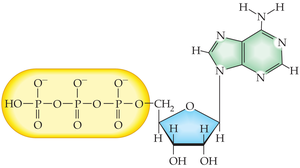
Origin of Biological Molecules
Primordial Soup Hypothesis
The "primordial soup" hypothesis suggests that simple organic molecules, such as amino acids, formed under early Earth conditions, providing the building blocks for life.
Summary Table: Major Biological Molecules
The following table summarizes the main classes of biological macromolecules, their functions, components, and examples.
Macromolecule | Functions | Components | Examples |
|---|---|---|---|
Carbohydrates | Dietary energy; storage; plant structure | Monosaccharide | Glucose, fructose, lactose, sucrose, starch, cellulose |
Lipids | Long-term energy storage (fats); hormones (steroids) | Fatty acid, glycerol, phosphate group (phospholipids) | Triglycerides, steroids (testosterone, estrogen) |
Proteins | Enzymes, structure, storage, contraction, transport | Amino acid (with side chain) | Lactase, hemoglobin |
Nucleic acids | Information storage | Nucleotide | DNA, RNA, ATP |
