 Back
BackMajor Groups of Land Plants & Their Reproduction: Alternation of Generations and Life Cycles
Study Guide - Smart Notes
 Tailored notes based on your materials, expanded with key definitions, examples, and context.
Major Groups of Land Plants & Their Reproduction
Introduction to Land Plant Evolution
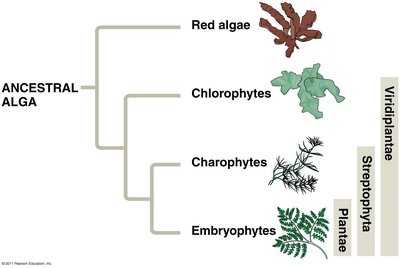
Land plants, or Embryophytes, are a diverse group that evolved from ancestral green algae. Their evolutionary history is marked by the development of key adaptations for terrestrial life, such as multicellular sex organs, cuticles, and alternation of generations. Understanding their life cycles and reproductive strategies is fundamental to biology.
Alternation of Generations & Life Cycles
Definition and Significance
Alternation of generations is a reproductive cycle found in all land plants, characterized by alternating multicellular haploid (gametophyte) and diploid (sporophyte) stages. This adaptation allows plants to exploit both sexual and asexual reproduction, increasing genetic diversity and survival.
Gametophyte (1n): Multicellular haploid stage that produces gametes (egg and sperm) via mitosis.
Sporophyte (2n): Multicellular diploid stage that produces spores via meiosis.
Meiosis: Occurs in the sporophyte, generating haploid spores.
Fertilization: Fusion of gametes forms a diploid zygote, which grows into the sporophyte.
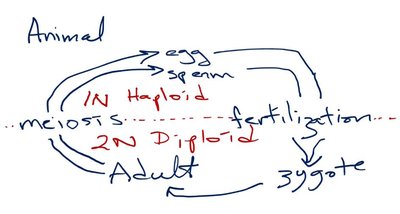
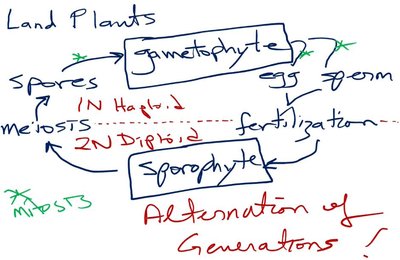
Comparison: Unlike animals, where meiosis produces gametes, in land plants meiosis produces spores, and gametes are produced by mitosis in the gametophyte.
Origins of Alternation of Generations
Evolutionary Context
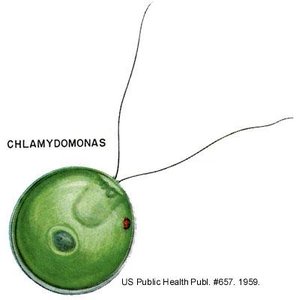
Alternation of generations arose independently multiple times in evolutionary history. In green algae such as Chlamydomonas, most of the life cycle is haploid and unicellular, with no true alternation of generations. The transition to multicellular diploid stages was a key innovation in land plants.
Key Point: Charophytes, the closest relatives of land plants, do not exhibit true alternation of generations.
Major Divisions of Land Plants
Overview of Plant Phyla
Land plants are classified into several divisions (phyla), with four major groups relevant to this study:
Bryophyta: Mosses
Pterophyta: Ferns and relatives
Coniferophyta: Conifers
Anthophyta: Angiosperms (flowering plants)
Each group exhibits unique adaptations and life cycle features.
Division Bryophyta (Mosses)
Characteristics and Life Cycle
Mosses are nonvascular plants, typically found in damp environments. Their life cycle is dominated by the gametophyte stage, and they are homosporous (produce one type of spore).
Gametophyte dominant: The visible moss plant is the gametophyte.
Sporophyte: Grows from the gametophyte and is dependent on it for nutrition.
No true vascular tissue: Mosses lack xylem and phloem.
Swimming sperm: Require water for fertilization.
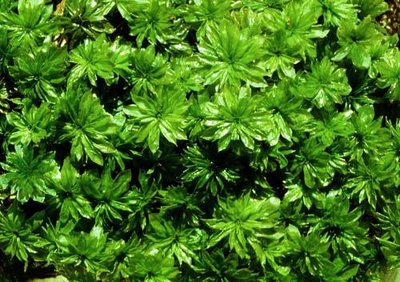
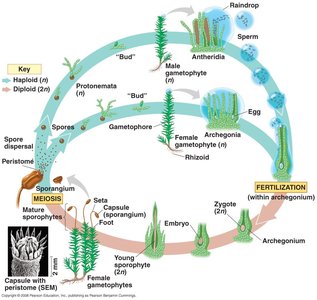
Example: Mosses reproduce via spores released from the sporophyte capsule, which germinate to form new gametophytes.
Vascular Tissue Evolution
Significance in Plant Evolution
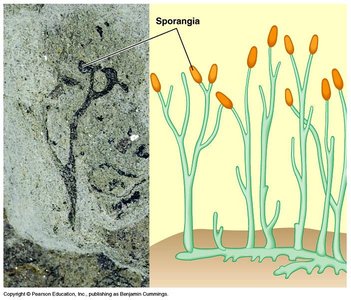
The development of vascular tissue (xylem and phloem) was a major evolutionary step, allowing plants to grow larger and colonize diverse terrestrial habitats. Vascular tissue provides structural support and efficient transport of water and nutrients.
Example: Cooksonia is one of the earliest known vascular plants from the Silurian period (~410 mya).
Division Pterophyta (Ferns and Relatives)
Characteristics and Life Cycle
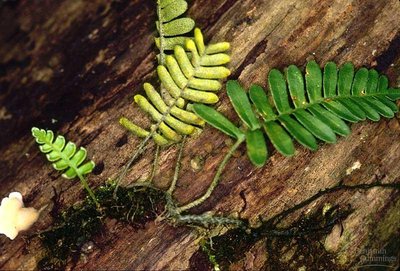
Ferns are vascular plants with a dominant sporophyte stage. They can be homosporous or heterosporous, and their sperm require water for fertilization.
Sporophyte dominant: The familiar fern plant is the sporophyte.
Vascular tissue: Xylem and phloem present.
Spore production: Spores are produced in sporangia, often grouped in sori on the underside of leaves.
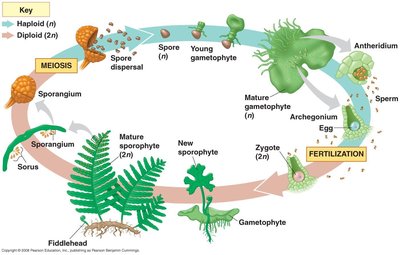
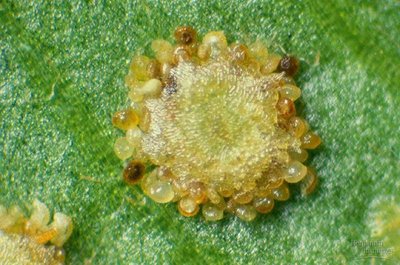
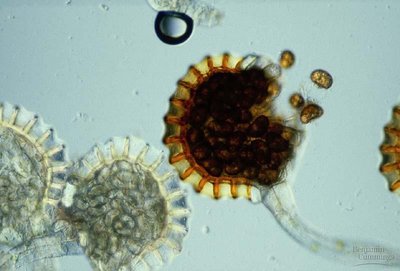
Example: Ferns release spores from sporangia, which germinate into small, heart-shaped gametophytes.
Homospory vs. Heterospory
Spore Types in Land Plants
Land plants can be classified based on the type and number of spores they produce:
Homospory: Production of one type of spore (e.g., most mosses and many ferns).
Heterospory: Production of two types of spores—microspores (male) and megaspores (female). All seed plants are heterosporous.
Significance: Heterospory is a key innovation leading to the evolution of seeds and pollen in higher plants.
Division Coniferophyta (Conifers)
Characteristics and Life Cycle
Conifers are seed plants with distinct male and female cones. They are heterosporous, with microgametophytes (pollen) and megagametophytes (within ovules). Their life cycle is dominated by the sporophyte stage.
Sporophyte dominant: The tree is the sporophyte.
Reproductive organs: Cones (strobili) house the gametophytes.
Seeds: Develop from ovules after fertilization, containing embryo, nutrition, and seed coat.
Pollen: Mature male gametophyte, few cells in size.
Example: White pine and larch are common conifers with separate male and female cones.
Seed Plant Innovations
Seeds and Pollen
Seed plants possess two major reproductive innovations:
Seed: Contains the embryo, stored nutrition, and a protective seed coat. Develops from the ovule and allows for dispersal and survival in harsh conditions.
Pollen: Enables fertilization without water, as the male gametophyte is transported by wind or animals.
Life Cycle Complexity: Seed plant life cycles involve multiple generations within the seed (embryo, megagametophyte, and parent sporophyte).
Summary Table: Comparison of Major Land Plant Groups
Division | Dominant Generation | Vascular Tissue | Spore Type | Key Innovations |
|---|---|---|---|---|
Bryophyta (Mosses) | Gametophyte | No | Homosporous | Multicellular sex organs |
Pterophyta (Ferns) | Sporophyte | Yes | Homosporous or Heterosporous | Vascular tissue |
Coniferophyta (Conifers) | Sporophyte | Yes | Heterosporous | Seeds, pollen, cones |
Anthophyta (Angiosperms) | Sporophyte | Yes | Heterosporous | Flowers, fruits |
Key Terms and Definitions
Gametophyte: Multicellular haploid stage producing gametes.
Sporophyte: Multicellular diploid stage producing spores.
Spore: Haploid cell capable of developing into a new organism.
Seed: Structure containing embryo, nutrition, and seed coat.
Pollen: Male gametophyte in seed plants.
Vascular tissue: Specialized tissue (xylem and phloem) for transport and support.
Important Equations
Meiosis in Sporophyte:
Fertilization:
Conclusion
The study of land plant life cycles and reproductive strategies reveals the evolutionary innovations that enabled plants to thrive on land. Alternation of generations, vascular tissue, seeds, and pollen are key features that distinguish major plant groups and underpin their ecological success.
