 Back
BackMaternal, Infant, and Child Health & Historical Public Health Efforts
Study Guide - Smart Notes
 Tailored notes based on your materials, expanded with key definitions, examples, and context.
Maternal, Infant, and Child Health
Overview and Importance
Maternal and infant health are significant indicators of a nation's overall health status and values. The mortality and morbidity rates of these groups reflect the effectiveness of public health efforts targeting diseases and conditions related to pregnancy, childbirth, and early life. These health outcomes are interconnected across the lifespan, influencing health from infancy through adulthood and into the next generation.
Maternal health impacts infant health, which in turn affects childhood and adult health.
Economic investment in quality maternal and infant health care can yield long-term savings and improve generational health outcomes.
Social Determinants of Health (SDOH)
Social determinants of health (SDOH) are non-medical factors that heavily influence the health of pregnant women, infants, and children. These include education, economic stability, health care access, neighborhood environment, and social context.
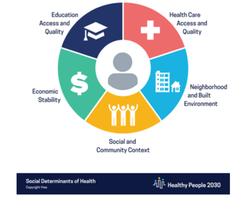
SDOH shape opportunities for health and well-being, affecting outcomes before, during, and after pregnancy.
Maternal Mortality
Maternal mortality is a key health status indicator, measured by the Maternal Mortality Ratio (MMR): the number of maternal deaths per 100,000 live births. Pregnancy-related death is defined as the death of a woman while pregnant or within one year of the end of pregnancy from any cause related to or aggravated by the pregnancy.
Common causes historically included post-delivery infection, hemorrhage, and pregnancy-induced hypertension.
Since 1900, maternal mortality has decreased by 98% due to improved medical training, infection control, emergency care, antibiotics, and specialized care for high-risk pregnancies.
Maternal Mortality Disparities
Significant disparities exist in maternal mortality rates by race, ethnicity, and age. Black and American Indian/Alaska Native women are 2 to 3 times more likely to die from pregnancy-related causes than white, Hispanic, or Asian/Pacific Islander women. Risk increases with maternal age, and educational attainment does not eliminate disparities for Black women.
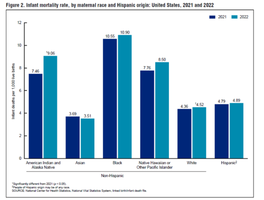
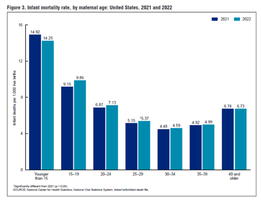
Disparities highlight the influence of social, economic, and systemic factors on maternal health outcomes.
Reducing Maternal Mortality
Effective measures to reduce maternal mortality include:
Pre-conception and prenatal healthcare
Proper nutrition and weight gain during pregnancy
Access to emergency obstetrical care and post-delivery support
Strong social support systems and compassionate healthcare providers
Nutrition and Weight Gain in Pregnancy
Pregnant women require additional calories and specific nutrients to support fetal development and maternal health:
Second trimester: +340 calories/day; Third trimester: +450 calories/day
Recommended weight gain for women of normal weight: 25–35 pounds
Key nutrients: Folic acid (0.4 mg/day), calcium (1000–1300 mg/day), iron (27 mg/day)
Prenatal Care
Regular medical check-ups during pregnancy are essential for monitoring and protecting the health of both mother and fetus. Prenatal care includes screening for complications, monitoring fetal growth, and providing guidance on nutrition, exercise, and preparation for delivery.
Infant and Neonatal Mortality
Infant Mortality Rate (IMR) and Neonatal Mortality Rate (NMR) are important health status indicators. IMR in 2023 was 5.6 deaths per 1,000 live births, and NMR in 2022 was 3.6 deaths per 1,000 live births. Leading causes of infant and neonatal death include congenital malformations, low birth weight, sudden infant death syndrome, and maternal complications.
Low and Very Low Birth Weight
Low birth weight (LBW): < 5 lbs, 8 oz (2500 g)
Very low birth weight (VLBW): < 3 lbs, 5 oz (1500 g)
Common causes: Premature birth, poor maternal nutrition, lack of prenatal care, maternal smoking, and substance abuse
Family Planning and Contraception
Family planning allows individuals and families to determine the number and spacing of children, improving health and economic outcomes. Contraceptive methods vary in effectiveness, from permanent options (vasectomy, tubal ligation) to temporary methods (IUDs, pills, condoms).
Access to contraception is considered a major public health achievement.
Historical Highlights of Public Health Efforts in Western Civilization
Roman Empire
The Roman Empire implemented public health measures such as building codes, drains, sewers, street cleaning, public baths, aqueducts, and physician education. These efforts contributed to improved sanitation and health.
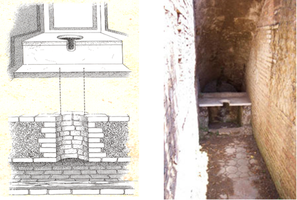



Roman public baths and aqueducts were advanced systems for hygiene and water supply.
Medieval and Renaissance Periods
During the Dark Ages, disease was often attributed to spiritual causes, leading to neglect of hygiene and ineffective responses to epidemics. The Renaissance saw renewed scientific inquiry, with advances in disease understanding and prevention, such as the identification of scurvy's nutritional cause and the development of smallpox vaccination.
Germ Theory and Modern Public Health
The development of the Germ Theory of Disease in the 19th century by scientists such as Semmelweis, Snow, Lister, Pasteur, and Koch revolutionized public health. This led to improved infection control, vaccination, and the establishment of public health infrastructure.
Sanitation, vaccination, and scientific approaches to disease prevention have dramatically increased life expectancy and reduced mortality from infectious diseases.
References
Centers for Disease Control and Prevention
National Center for Health Statistics
March of Dimes
KFF
