 Back
BackMeiosis and Mendelian Genetics: Structured Study Notes for College Biology
Study Guide - Smart Notes
 Tailored notes based on your materials, expanded with key definitions, examples, and context.
Meiosis
Asexual vs. Sexual Reproduction
Asexual and sexual reproduction are two fundamental modes by which organisms propagate. Asexual reproduction involves mitosis and produces genetically identical offspring, while sexual reproduction involves meiosis and results in genetic variation among offspring.
Asexual reproduction: Utilizes mitosis; offspring are exact genetic copies.
Sexual reproduction: Occurs in complex multicellular organisms; offspring exhibit variation due to meiosis.
Meiosis: Produces gametes (egg and sperm), involves two cell divisions, and reduces chromosome number from diploid (2n) to haploid (n).
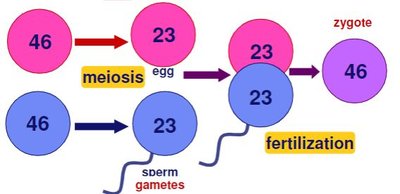
Overview of Meiosis
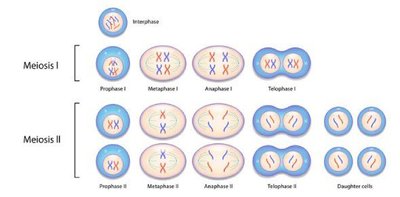
Meiosis consists of two sequential divisions: Meiosis I and Meiosis II. The process ensures genetic diversity and maintains chromosome number across generations.
Meiosis I: Homologous chromosomes are separated.
Meiosis II: Sister chromatids are separated.
Result: Four haploid cells, each genetically distinct from the parent cell.
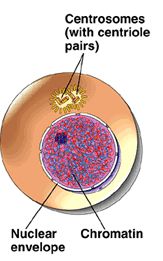
Interphase
Prior to meiosis, cells undergo interphase, during which DNA is replicated and the cell prepares for division. Interphase occurs only once before meiosis.
DNA replication: Ensures each chromosome consists of two sister chromatids.
Cell preparation: Organelles and centrosomes are duplicated.
Meiosis I: Homologous Chromosome Separation
Meiosis I is characterized by the separation of homologous chromosomes, resulting in two haploid cells.
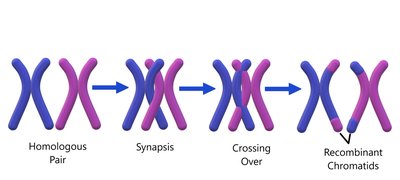
Prophase I: Homologous chromosomes pair up (synapsis) and crossing over occurs, exchanging genetic material.
Metaphase I: Homologous pairs align at the cell equator; independent assortment increases genetic variation.
Anaphase I: Homologous chromosomes are pulled apart.
Telophase I: Two nuclei form and the cell divides.
Meiosis II: Sister Chromatid Separation
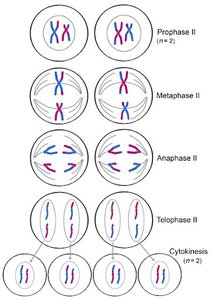
Meiosis II resembles mitosis, separating sister chromatids to produce four haploid cells.
Prophase II: Chromosomes condense; no crossing over.
Metaphase II: Chromosomes align at the equator.
Anaphase II: Sister chromatids are separated.
Telophase II: Nuclei form and cells divide.
Spermatogenesis vs. Oogenesis
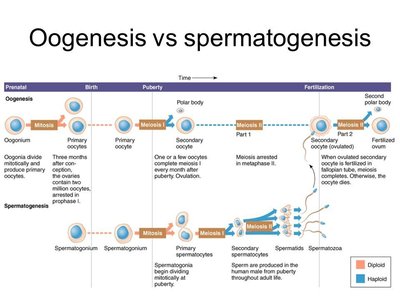
Spermatogenesis and oogenesis are the processes by which male and female gametes are produced, respectively. They differ in timing, outcome, and regulation.
Spermatogenesis: Continuous production of sperm throughout life; results in four viable sperm cells per meiosis.
Oogenesis: Begins prenatally, arrests at certain stages, and produces one viable egg and polar bodies per meiosis.
Genetic Variation in Meiosis
Meiosis increases genetic variation through crossing over, independent assortment, and random fertilization. This variation is crucial for evolution and adaptation.
Crossing over: Exchange of genetic material between homologous chromosomes during Prophase I.
Independent assortment: Random alignment of homologous pairs during Metaphase I.
Random fertilization: Any sperm can fertilize any egg, multiplying possible genetic combinations.
Errors in Meiosis
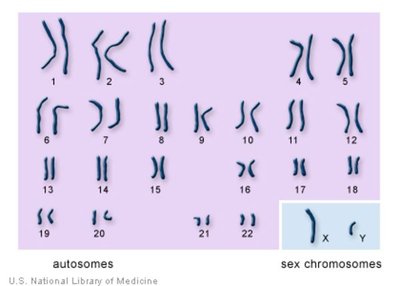
Errors during meiosis can lead to abnormal chromosome numbers or structures, resulting in genetic disorders.
Nondisjunction: Failure of chromosomes to separate properly, leading to trisomy or monosomy.
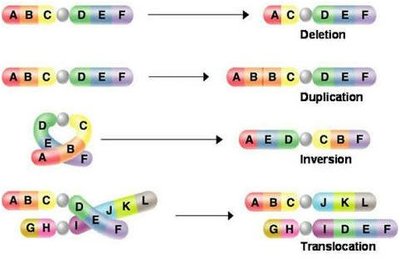
Chromosome structural changes: Includes deletion, duplication, inversion, and translocation.
Mendelian Genetics
Gregor Mendel and Principles of Inheritance
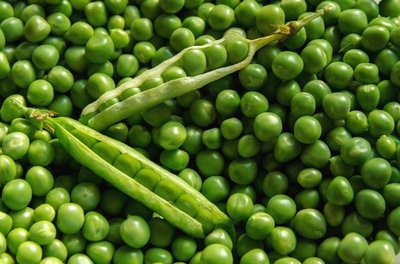
Gregor Mendel's experiments with pea plants established the foundational laws of inheritance. He described how traits are passed from parents to offspring through discrete units called alleles.
Alleles: Alternate versions of a gene.
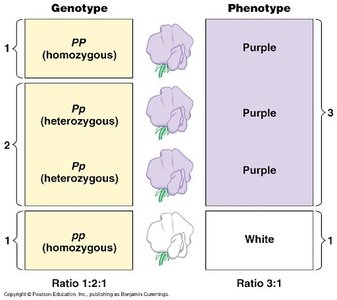
Genotype: Genetic makeup (e.g., PP, Pp, pp).
Phenotype: Physical expression of a trait (e.g., purple or white flowers).
Mendel’s Laws
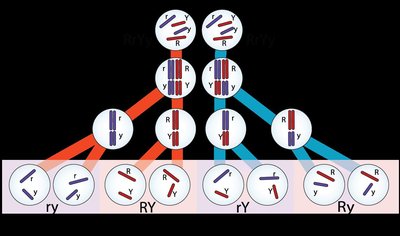
Mendel formulated two key laws: the Law of Segregation and the Law of Independent Assortment.
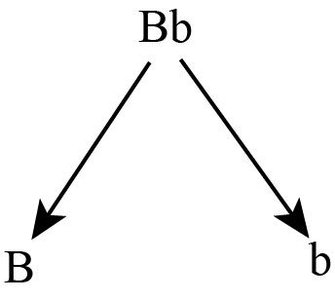
Law of Segregation: Alleles for a trait separate during gamete formation (Anaphase I).
Law of Independent Assortment: Genes on different chromosomes assort independently during gamete formation.
Test Cross
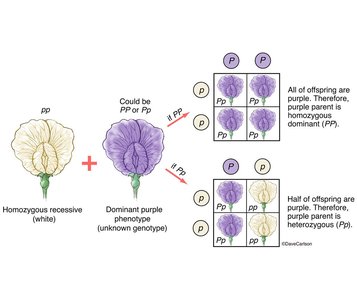
A test cross is used to determine the genotype of an organism with a dominant phenotype by crossing it with a homozygous recessive individual.
If offspring show the recessive phenotype, the parent is heterozygous.
If all offspring show the dominant phenotype, the parent is homozygous dominant.
Pedigrees
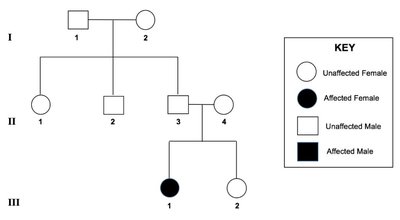
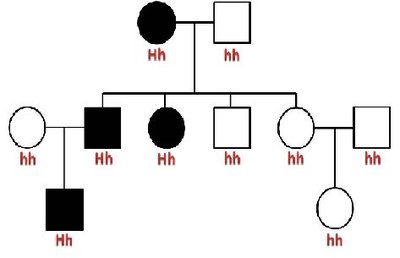
Pedigrees are diagrams that show the inheritance of traits across generations. They help identify autosomal dominant, autosomal recessive, and sex-linked patterns.
Autosomal dominant: Trait appears in every generation.
Autosomal recessive: Trait can skip generations; carriers may not show the trait.
Probability in Genetics
Genetic Probability and Mendel’s Laws
Probability principles apply to genetic inheritance, reflecting Mendel’s laws. The likelihood of inheriting specific alleles can be calculated using multiplication and addition rules.
Rule of Multiplication: Probability of two independent events occurring together is the product of their individual probabilities.
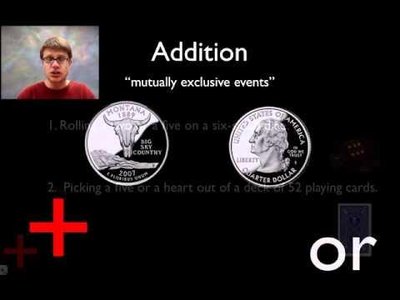
Rule of Addition: Probability of an event occurring in two or more ways is the sum of the separate probabilities.
Punnett Squares and Chi-Square Analysis
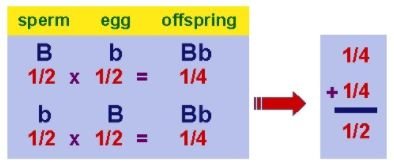
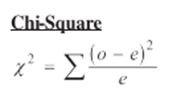
Punnett squares are used to predict the outcome of genetic crosses. Chi-square analysis tests whether observed results match expected ratios.
Punnett square: Visual representation of allele combinations.
Chi-square formula:
Degrees of freedom: Number of phenotypes minus one.
Non-Mendelian Genetics
Extensions of Mendelian Genetics
Many traits do not follow simple Mendelian inheritance. These include incomplete dominance, co-dominance, pleiotropy, epistasis, polygenic inheritance, and environmental effects.
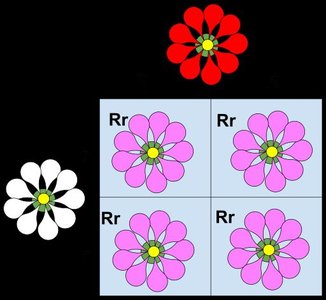
Incomplete dominance: Heterozygotes show intermediate phenotype (e.g., pink flowers).
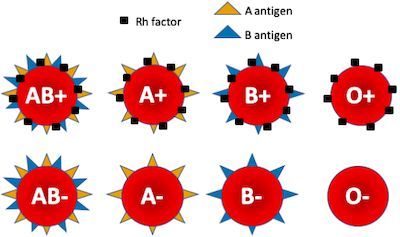
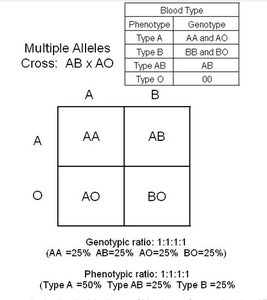
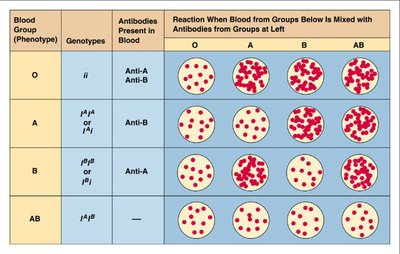
Co-dominance: Both alleles are fully expressed (e.g., AB blood type).
Pleiotropy: One gene affects multiple traits.
Epistasis: One gene masks the effect of another.
Polygenic inheritance: Multiple genes contribute to a single trait.
Phenotypic plasticity: Environment influences phenotype.
Sex-linked and Non-nuclear Inheritance
Sex-linked Traits
Sex-linked traits are associated with genes located on sex chromosomes (X and Y). X-linked traits are more common in males, while Y-linked traits are only passed from father to son.
X-linked: Traits such as hemophilia and colorblindness.
Y-linked: Traits only inherited by males.
X-inactivation
In female mammals, one X chromosome is randomly inactivated during embryonic development, resulting in dosage compensation.
X-inactivation: Prevents double expression of X-linked genes in females.
Non-nuclear Inheritance
Some traits are inherited through organelles such as mitochondria and chloroplasts, which are passed on through the maternal line.
Mitochondrial inheritance: All offspring inherit mitochondria from the mother.
Chloroplast inheritance: In plants, chloroplasts are inherited from the female parent.
