 Back
BackMeiosis and Sexual Life Cycles: Mechanisms and Evolutionary Significance
Study Guide - Smart Notes
 Tailored notes based on your materials, expanded with key definitions, examples, and context.
Chapter 13: Meiosis and Sexual Life Cycles
Introduction
This chapter explores the fundamental processes of sexual and asexual reproduction, the transmission of chromosomes from parents to offspring, and the mechanisms by which sexual reproduction generates genetic variation. Understanding these concepts is essential for grasping the evolutionary significance of genetic diversity in populations.
Genetics and Heredity
Key Definitions
Genetics: The scientific study of heredity and hereditary variation.
Genes: Hereditary units containing coded information, primarily in the form of DNA sequences, that determine specific traits.
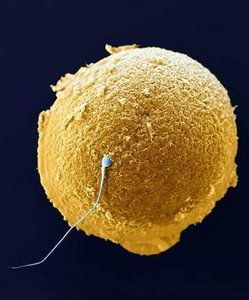
Gametes: Specialized reproductive cells (sperm and egg) that transmit genes from one generation to the next.
Trait: Any observable characteristic, such as freckles, determined by genetic information.
Chromosomes and Karyotypes
Chromosome Structure and Types
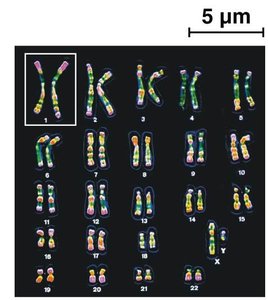
Somatic Cells: All body cells except gametes; diploid (2n).
Gametes: Haploid (n) cells; contain half the number of chromosomes as somatic cells.
Autosomes: Non-sex chromosomes (chromosomes 1-22 in humans).
Sex Chromosomes: Chromosomes that determine sex (XX for female, XY for male in humans).
Karyotype: An ordered display of an individual's chromosomes, used to identify chromosomal abnormalities and determine sex.
Homologous Chromosomes and Alleles
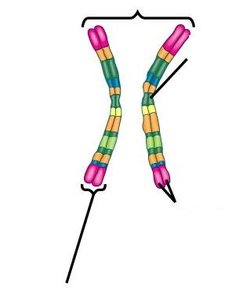
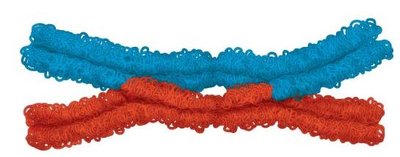
Homologous Chromosomes: Pairs of chromosomes of the same length, centromere position, and gene loci, one inherited from each parent.
Sister Chromatids: Identical copies of a chromosome, connected at the centromere, formed during DNA replication.
Nonsister Chromatids: Chromatids from homologous chromosomes, not identical, can exchange genetic material during crossing over.
Allele: Different versions of the same gene (e.g., A and a).
Modes of Reproduction
Asexual vs. Sexual Reproduction
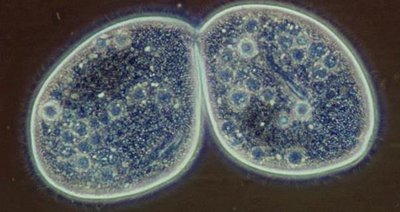
Asexual Reproduction: Offspring are genetically identical to the parent (clones), produced without fusion of gametes. Examples include binary fission, budding, fragmentation, and parthenogenesis.
Sexual Reproduction: Involves fusion of gametes from two parents, resulting in offspring with unique genetic combinations.

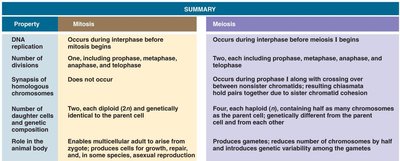
Comparison Table: Mitosis vs. Meiosis
Property | Mitosis | Meiosis |
|---|---|---|
DNA Replication | Occurs during interphase before mitosis begins | Occurs during interphase before meiosis I begins |
Number of Divisions | One | Two |
Synapsis of Homologous Chromosomes | Does not occur | Occurs during prophase I with crossing over |
Number of Daughter Cells and Genetic Composition | Two, diploid (2n), genetically identical | Four, haploid (n), genetically distinct |
Role in Animal Body | Growth, repair, asexual reproduction | Production of gametes, genetic variability |
Meiosis: Mechanism and Stages
Overview of Meiosis
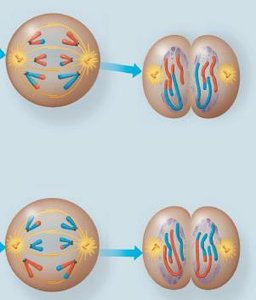
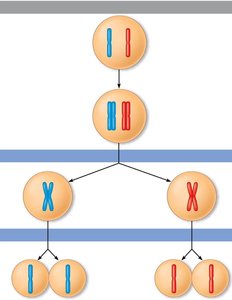
Meiosis is a two-division process that reduces the chromosome number by half, producing four genetically unique haploid cells from one diploid cell. It consists of Meiosis I (separation of homologous chromosomes) and Meiosis II (separation of sister chromatids).
Meiosis I: Separation of Homologous Chromosomes
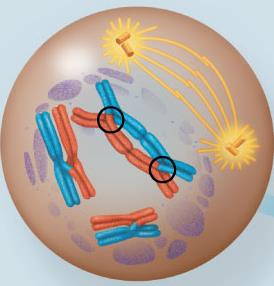
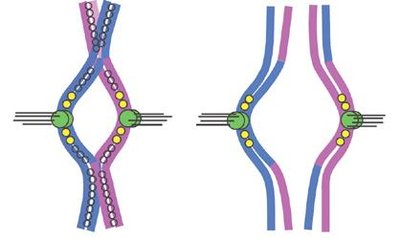
Prophase I: Chromosomes condense, homologous chromosomes pair (synapsis), and crossing over occurs at chiasmata. Spindle forms and nuclear envelope breaks down.
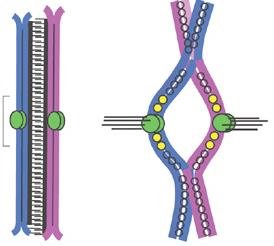
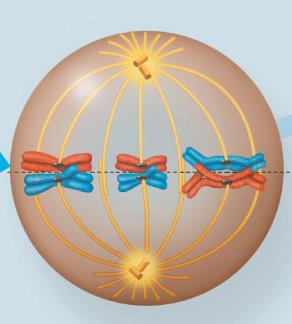
Metaphase I: Homologous pairs align at the metaphase plate; each homolog attaches to spindle fibers from opposite poles.
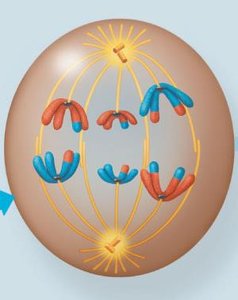
Anaphase I: Homologous chromosomes separate and move toward opposite poles; sister chromatids remain attached.
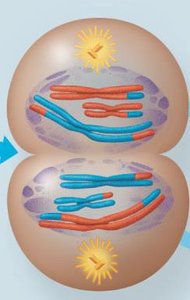
Telophase I and Cytokinesis: Two haploid cells form, each with duplicated chromosomes.
Meiosis II: Separation of Sister Chromatids
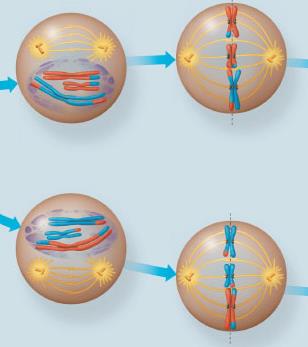
Prophase II: Spindle apparatus forms; chromosomes move toward metaphase II plate.
Metaphase II: Chromosomes align at the metaphase plate; kinetochores attach to spindle fibers from opposite poles.
Anaphase II: Sister chromatids separate and move toward opposite poles.
Telophase II and Cytokinesis: Nuclei form, chromosomes decondense, and four genetically distinct haploid cells result.
Unique Events in Meiosis
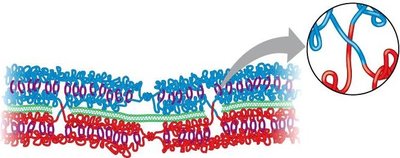
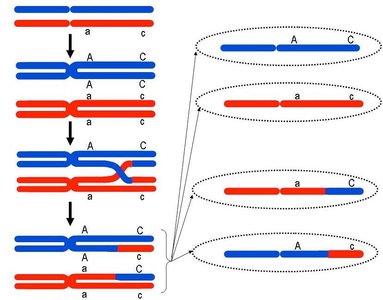
Synapsis and Crossing Over: Homologous chromosomes physically pair and exchange genetic material, generating new allele combinations.
Homologs Align at Metaphase Plate: Homologous pairs, not individual chromosomes, align during metaphase I.
Separation of Homologs: Homologous chromosomes, not sister chromatids, separate during anaphase I.
Mechanisms Generating Genetic Variation
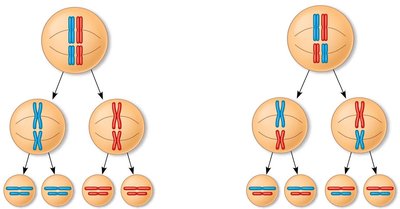
1. Independent Assortment of Chromosomes
During metaphase I, homologous chromosome pairs align independently, resulting in a variety of possible gamete combinations. The number of possible combinations is , where n is the number of chromosome pairs.
2. Crossing Over
During prophase I, nonsister chromatids exchange genetic material, producing recombinant chromosomes with new allele combinations.
3. Random Fertilization
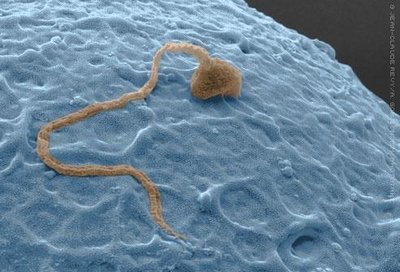
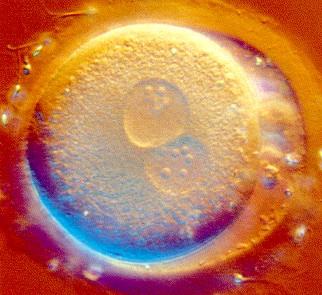
The fusion of any sperm with any egg increases genetic variability. In humans, each gamete has about 8.4 million possible chromosome combinations, resulting in over 70 trillion possible zygote combinations (not including variation from crossing over).
Evolutionary Significance of Genetic Variation
Genetic variation is essential for evolution. It allows populations to adapt to changing environments through natural selection. New combinations of alleles may confer advantages, and mutations provide the raw material for evolutionary change. Sexual reproduction's ability to generate genetic diversity is a key reason for its evolutionary persistence.
