 Back
Meiosis and Sexual Reproduction: Structured Study Notes
Study Guide - Smart Notes
 Tailored notes based on your materials, expanded with key definitions, examples, and context.
Meiosis and Sexual Reproduction
Overview of Cell Division
Cell division is a fundamental process in biology, enabling organisms to grow, repair tissues, and reproduce. There are two main types of cell division: mitosis and meiosis. Mitosis produces genetically identical cells, while meiosis generates gametes for sexual reproduction, introducing genetic diversity.
Mitosis: Produces two identical daughter cells (clones), each with the same number of chromosomes as the parent cell.
Meiosis: Produces four genetically unique gametes, each with half the chromosome number of the parent cell.
Asexual Reproduction
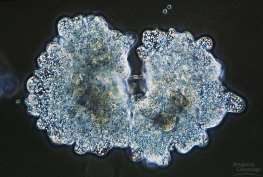
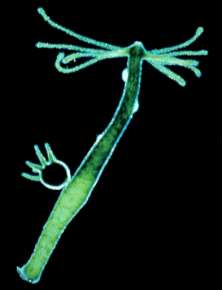
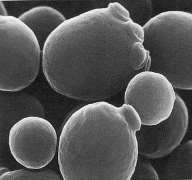
Asexual reproduction involves a single parent and results in offspring that are genetically identical to the parent. It is common in single-celled eukaryotes and some simple multicellular organisms.
Examples: Yeast (fungi), protists such as Paramecium and Amoeba, and multicellular organisms like Hydra.
Advantages: Rapid population growth, no need for a mate.
Disadvantages: Lack of genetic diversity, making populations vulnerable to environmental changes.
Sexual Reproduction and Chromosome Number
Sexual reproduction involves the fusion of two gametes (egg and sperm), each carrying half the genetic material of the parent. This process restores the diploid chromosome number in the zygote.
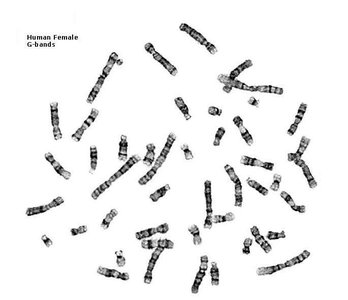
Humans: Egg and sperm each have 23 chromosomes (haploid, n). The zygote has 46 chromosomes (diploid, 2n).
Chromosome reduction: Gametes are produced by meiosis, not mitosis, to prevent doubling of chromosome number in each generation.
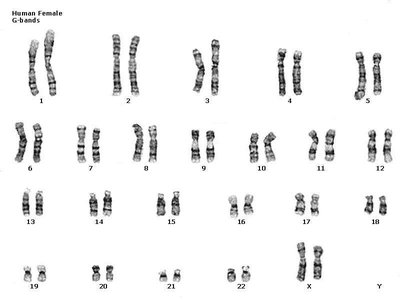
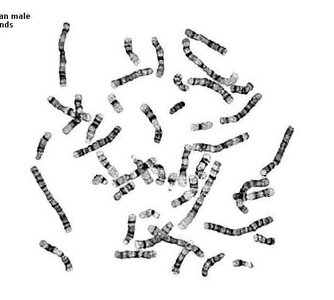
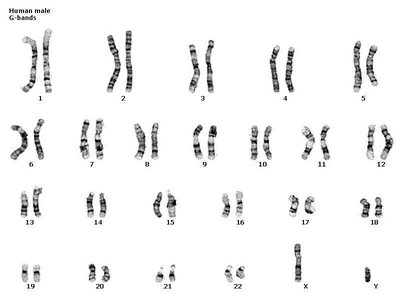
Homologous Chromosomes and Ploidy
Homologous chromosomes are pairs that carry matching genes controlling the same inherited traits. The ploidy level refers to the number of chromosome sets in a cell.
Diploid (2n): Two sets of chromosomes (e.g., somatic cells).
Haploid (n): One set of chromosomes (e.g., gametes).



Meiosis: The Process and Its Stages
Purpose and Overview
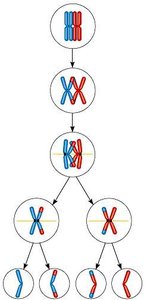
Meiosis is a specialized cell division that reduces the chromosome number by half, producing haploid gametes for sexual reproduction. It consists of two consecutive divisions: Meiosis I and Meiosis II.
Meiosis I: Separates homologous chromosome pairs.
Meiosis II: Separates sister chromatids.
Result: Four haploid cells, each genetically distinct.
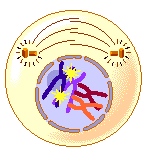
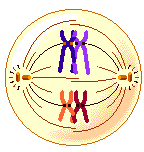
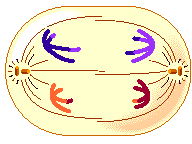
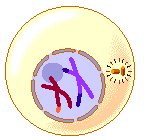
Meiosis Stages
Meiosis involves a sequence of stages, each with distinct events:
Interphase: DNA replication occurs, preparing the cell for division.
Meiosis I:
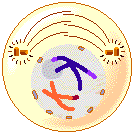
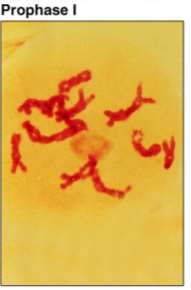
Prophase I: Homologous chromosomes pair and crossing over occurs.
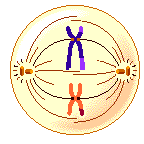
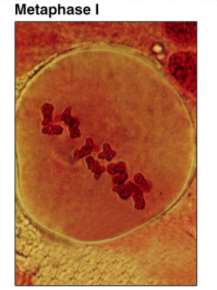
Metaphase I: Homologous pairs align at the cell equator.
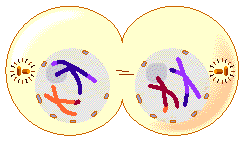
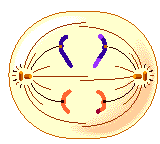
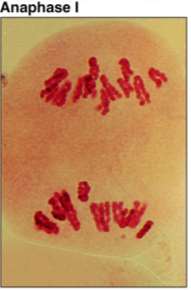
Anaphase I: Homologous chromosomes are pulled apart.
Telophase I: Two haploid cells form.
Meiosis II:
Prophase II: Chromosomes condense again.
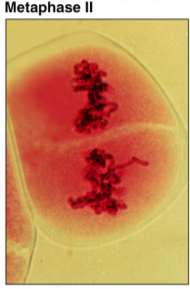
Metaphase II: Chromosomes align at the equator.
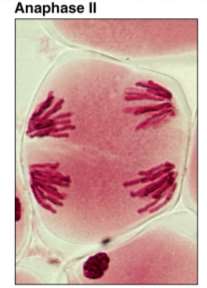
Anaphase II: Sister chromatids are separated.
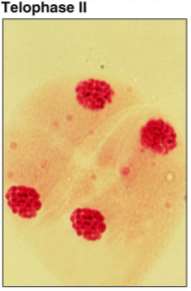
Telophase II: Four haploid cells result.
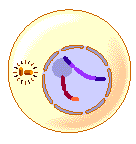
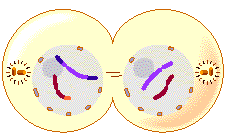
Key Differences: Mitosis vs. Meiosis
Mitosis and meiosis are distinct processes with different outcomes and purposes.
Mitosis:
One division
Produces two genetically identical cells
2n → 2n
Growth and repair
No crossing over
Meiosis:
Two divisions
Produces four genetically unique cells
2n → n
Gamete production
Crossing over occurs
Genetic Variation in Sexual Reproduction
Mechanisms of Variation
Sexual reproduction introduces genetic variation through several mechanisms, which are essential for evolution and adaptation.
Independent Assortment: Random alignment of homologous chromosomes during Metaphase I leads to diverse combinations in gametes.
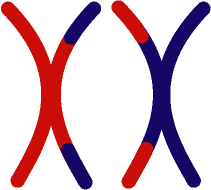
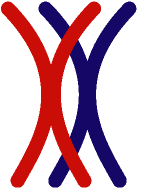
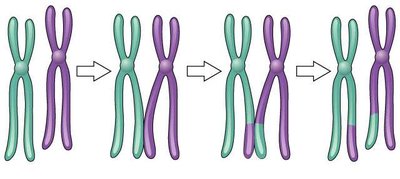
Crossing Over: Exchange of genetic material between homologous chromosomes during Prophase I creates new allele combinations.
Random Fertilization: Any sperm can fertilize any egg, resulting in numerous possible genetic outcomes.
Quantifying Genetic Variation
The combination of independent assortment and random fertilization results in a vast number of possible genetic combinations.
Independent assortment: In humans, (8,388,608) possible gamete combinations.
Random fertilization: Over 70 trillion () possible diploid zygote combinations from any two parents.
Gametogenesis: Formation of Sperm and Eggs
Spermatogenesis
Spermatogenesis is the process of sperm formation in males. All four products of meiosis develop into mature sperm, making it a continuous and prolific process.
Location: Seminiferous tubules of the testis
Stages: Germ cell (diploid) → primary spermatocyte (diploid) → secondary spermatocyte (haploid) → spermatids (haploid) → spermatozoa
Result: Each ejaculation releases 100-600 million sperm
Oogenesis
Oogenesis is the process of egg formation in females. It involves unequal divisions, resulting in one mature egg and two polar bodies.
Location: Ovaries
Stages: Germinal cell (diploid) → primary oocyte (diploid, halted in prophase I before birth) → secondary oocyte (haploid) → ovum (haploid)
Meiosis I: Completed during egg maturation
Meiosis II: Completed after fertilization
Result: One egg and two polar bodies
Life Cycle and Alternation of Generations
Human Life Cycle
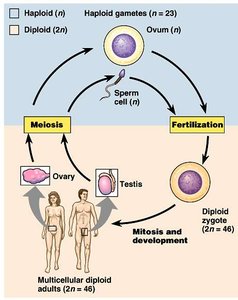
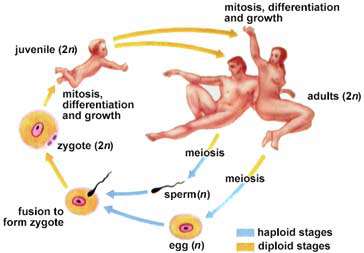
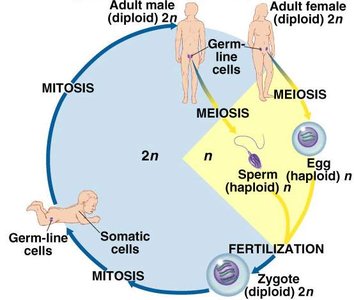
The human life cycle alternates between diploid and haploid stages, with meiosis and fertilization as key transitions.
Diploid stage: Multicellular adults (2n)
Meiosis: Produces haploid gametes (n)
Fertilization: Fusion of gametes restores diploid zygote (2n)
Mitosis: Growth and development of zygote into adult
Differences Across Kingdoms
Not all organisms use haploid and diploid stages in the same way. The dominant stage (haploid or diploid) varies among species, but alternation between these stages is essential for sexual reproduction.
Summary Table: Mitosis vs. Meiosis
Feature | Mitosis | Meiosis |
|---|---|---|
Number of divisions | 1 | 2 |
Number of cells produced | 2 | 4 |
Genetic identity | Identical | Unique |
Chromosome number | 2n → 2n | 2n → n |
Purpose | Growth, repair | Gamete production |
Crossing over | No | Yes |
Key Terms and Definitions
Homologous chromosomes: Chromosome pairs with matching genes.
Diploid (2n): Two sets of chromosomes.
Haploid (n): One set of chromosomes.
Gamete: Reproductive cell (egg or sperm).
Zygote: Fertilized egg, diploid.
Crossing over: Exchange of genetic material between homologous chromosomes.
Independent assortment: Random distribution of homologous chromosomes during meiosis.
Formulas and Equations
Number of possible gamete combinations: , where n = number of chromosome pairs.
Number of possible zygote combinations:
Conclusion
Meiosis and sexual reproduction are central to genetic diversity and evolution. Understanding the stages, mechanisms, and outcomes of meiosis is essential for grasping the principles of inheritance and variation in biology.
