 Back
Meiosis and the Sexual Life Cycle: Genetics, Chromosomes, and Variation
Study Guide - Smart Notes
 Tailored notes based on your materials, expanded with key definitions, examples, and context.
Meiosis & Sexual Life Cycle
Review of the Cell Cycle
The cell cycle is the series of events that cells go through as they grow and divide. It includes both nuclear division (mitosis) and cytoplasmic division (cytokinesis). Proper regulation of the cell cycle is essential for normal growth and development, and its dysregulation can lead to diseases such as cancer.
Cytokinesis: Division of the cytoplasm, typically following mitosis, resulting in two daughter cells.
Regulation: Controlled by cyclins, cyclin-dependent kinases (Cdks), and checkpoints that respond to internal and external signals.
Cancer: Results from loss of cell cycle control, leading to uncontrolled cell division.
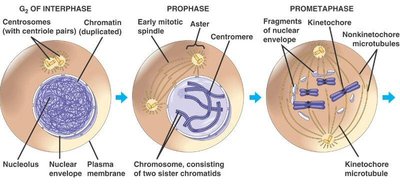
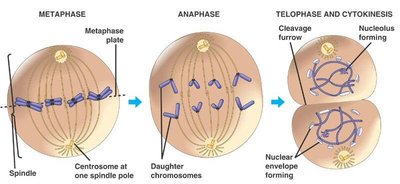
Why Does Cell Division Matter?
Cell division is fundamental for the transmission of genetic information from one generation to the next. This process ensures heredity, while also allowing for genetic variation among offspring.
Heredity: The passing of traits from parents to offspring.
Variation: Offspring are not exact copies of their parents or siblings, due to genetic recombination and mutation.
Genetics: The Study of Heredity and Variation
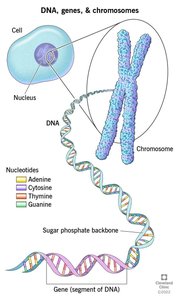
Genetics is the branch of biology that studies heredity and variation. Genes, which are segments of DNA, serve as units of heredity and are located on chromosomes at specific loci.
Gene: A DNA segment that codes for a specific trait.
Locus: The specific location of a gene on a chromosome.
Gametes: Sex cells (sperm and egg) that carry genes to the next generation.
Modes of Reproduction
Organisms reproduce either asexually or sexually, with significant differences in genetic outcomes.
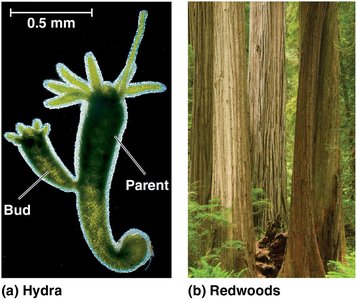
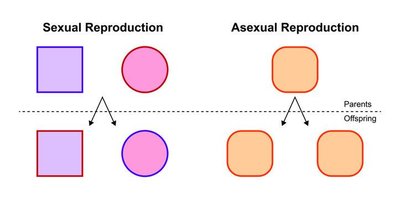
Asexual Reproduction: A single individual produces offspring genetically identical to itself (clones), without gamete fusion.
Sexual Reproduction: Two parents contribute unique combinations of genes to their offspring, resulting in genetic diversity.
Human Chromosomes and Karyotypes
Humans have 23 pairs of chromosomes in somatic (body) cells, visualized as a karyotype. Each pair consists of homologous chromosomes, which have the same length, centromere position, and genes for the same traits.
Sex Chromosomes: Determine biological sex (XX for females, XY for males).
Autosomes: The remaining 22 pairs of non-sex chromosomes.
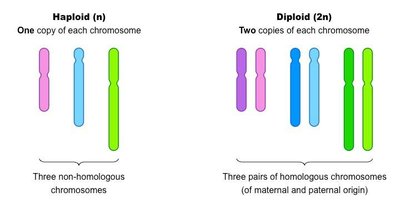
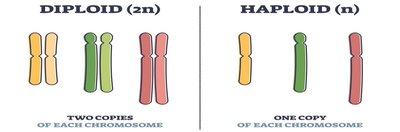
Diploid (2n): Cells with two sets of chromosomes (one from each parent).
Haploid and Diploid Cells
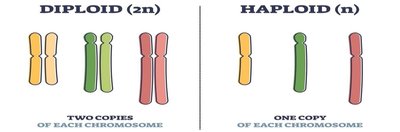
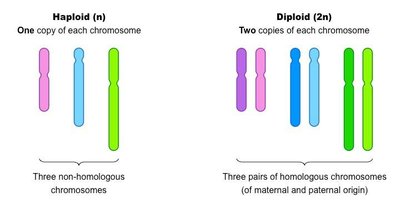
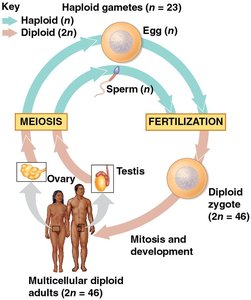
Gametes (sperm and egg) are haploid (n), containing a single set of chromosomes. Somatic cells are diploid (2n), containing two sets. Fertilization restores the diploid state in the zygote.
Haploid (n): One set of chromosomes (e.g., human gametes have 23).
Diploid (2n): Two sets of chromosomes (e.g., human somatic cells have 46).
Gamete Formation and Fertilization
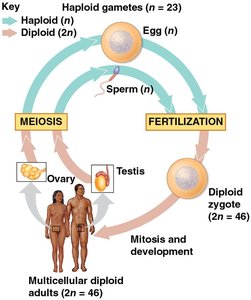
Gametes are produced by meiosis in the gonads (testes and ovaries). Fertilization is the fusion of sperm and egg, forming a diploid zygote that divides by mitosis to produce a multicellular organism.
Meiosis: Reduces chromosome number by half, producing haploid gametes.
Fertilization: Restores diploid chromosome number in the zygote.
Animal Sexual Life Cycle
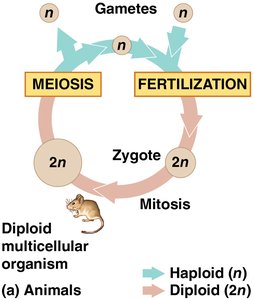
In animals, gametes are the only haploid cells. After fertilization, the zygote divides by mitosis to form a multicellular diploid organism. Meiosis produces new gametes, continuing the cycle.
Gametes do not divide further after meiosis; they fuse during fertilization.
This cycle is typical of mammals, including humans.
Plant Sexual Life Cycle: Alternation of Generations
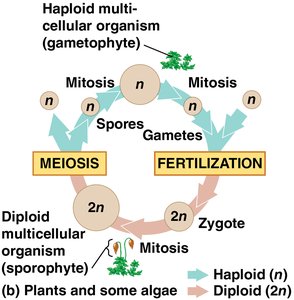
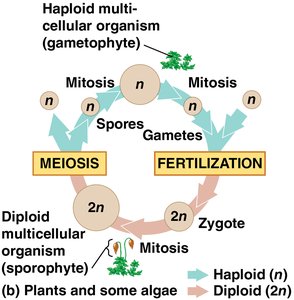
Plants and some algae alternate between multicellular diploid (sporophyte) and multicellular haploid (gametophyte) generations. This process is called alternation of generations.
Sporophyte: Diploid organism that produces haploid spores by meiosis.
Gametophyte: Haploid organism that produces gametes by mitosis.
Fertilization produces a new sporophyte, continuing the cycle.
Fungal Sexual Life Cycle
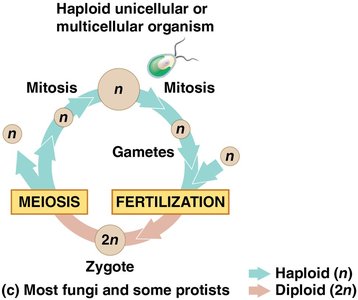
In fungi and some protists, the only diploid stage is the zygote. The zygote undergoes meiosis to produce haploid cells, which grow into haploid adults. These adults produce gametes by mitosis, which fuse to form a new zygote.
Most of the life cycle is spent in the haploid state.
Meiosis occurs immediately after zygote formation.
Comparison of Sexual Life Cycles
Sexual life cycles vary among animals, plants, and fungi, but all involve the alternation of haploid and diploid stages. Only diploid cells can undergo meiosis, while both haploid and diploid cells can divide by mitosis in some life cycles. These processes contribute to genetic variation among offspring.
Genetic Variation: Achieved through meiosis and fertilization, which shuffle genetic material and create new combinations of traits.
Life Cycle Diversity: Animals, plants, and fungi have distinct patterns of haploid and diploid stages.
Summary: Meiosis & Sexual Life Cycle
Cells transmit genetic material to the next generation through asexual or sexual reproduction. In humans and many other organisms, chromosomes carry genetic information, and the alternation of meiosis and fertilization produces diploid and haploid states. The sexual life cycle describes the sequence of events that occur from one generation to the next, ensuring both heredity and genetic diversity.
