 Back
Meiosis, Chromosome Number, and Sexual Reproduction: Study Notes for General Biology
Study Guide - Smart Notes
 Tailored notes based on your materials, expanded with key definitions, examples, and context.
Meiosis and Chromosome Number
Chromosome Number and Cell Types
The chromosome number in a cell is a fundamental concept in genetics and cell biology. Chromosomes carry genetic information and their number varies between somatic cells and gametes.
Somatic cells: Diploid (2n), containing two sets of chromosomes—one from each parent.
Gametes: Haploid (n), containing a single set of chromosomes.
Genes and Chromosome Structure
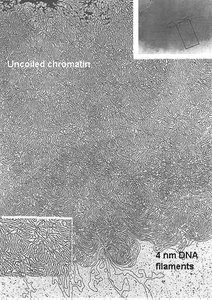
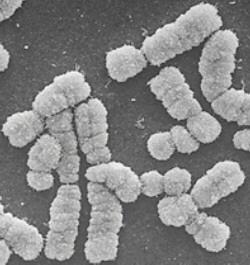
Genes are units of heredity located at specific positions (loci) on chromosomes. Chromatin is the material that makes up chromosomes, consisting of DNA and proteins.
Gene: A segment of DNA that codes for a specific protein or trait.
Locus: The physical location of a gene on a chromosome.
Human Karyotype
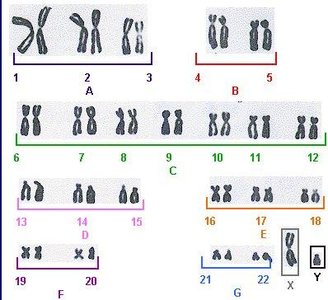
A karyotype is the complete set of chromosomes in a species. Humans have 46 chromosomes (2n = 46), organized into 23 pairs.
Each parent contributes one set of 23 chromosomes.
Mitosis produces cells with 46 chromosomes.
Homologous Chromosomes, Sex Chromosomes, and Autosomes
Homologous chromosomes are pairs that carry the same genes but may have different alleles. Sex chromosomes determine biological sex, while autosomes are all other chromosomes.
Homologous chromosomes: Matched pairs, one from each parent.
Sex chromosomes: X and Y (male), X and X (female).
Autosomes: Non-sex chromosomes.
Asexual and Sexual Reproduction
Mitosis vs. Meiosis
Mitosis and meiosis are two types of cell division. Mitosis produces identical cells for growth and repair, while meiosis produces gametes for sexual reproduction and introduces genetic variability.
Mitosis: Produces two identical diploid cells.
Meiosis: Produces four genetically unique haploid cells.
Sexual Life Cycles
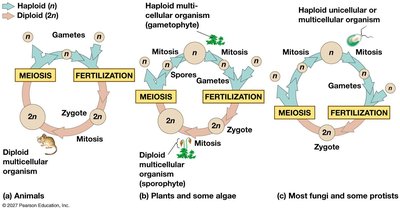
Sexual reproduction involves meiosis, gamete production, and fertilization, resulting in genetic variation among offspring. There are three main types of sexual life cycles in eukaryotes.
Meiosis produces haploid gametes.
Fertilization restores diploid chromosome number.
Variation is generated through crossing over, independent assortment, and random fertilization.
Meiosis: Process and Stages
Overview of Meiosis
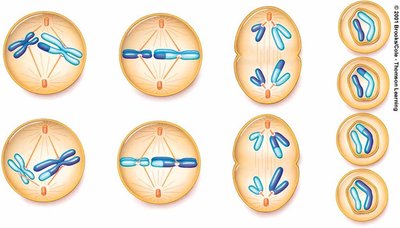
Meiosis consists of two consecutive nuclear divisions: Meiosis I and Meiosis II. DNA is not duplicated between divisions, resulting in four haploid nuclei.
Meiosis I: Homologous chromosomes separate.
Meiosis II: Sister chromatids separate.
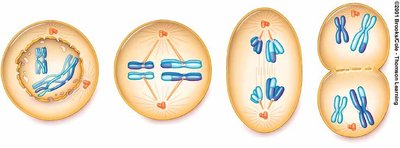
Meiosis I: Stages
Prophase I
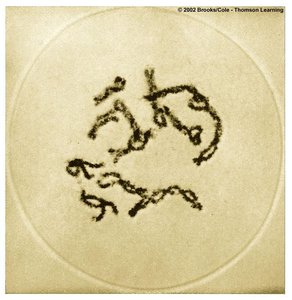
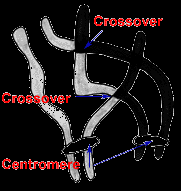
Chromosomes condense and pair with their homologues. Homologues exchange segments (crossing over), increasing genetic diversity.
Chromosomes attach to spindle microtubules.
Crossing over occurs between non-sister chromatids.
Metaphase I
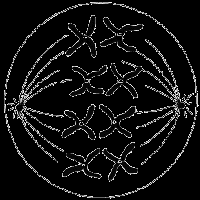
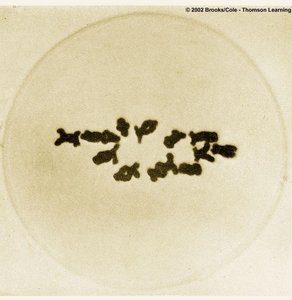
Homologous chromosomes align at the cell's equator. The orientation of each pair is random, leading to independent assortment.
Spindle is fully formed.
Chromosomes are pushed and pulled to the middle.
Anaphase I
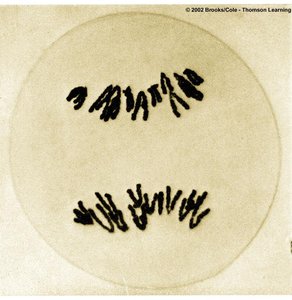
Homologous chromosomes segregate to opposite poles, while sister chromatids remain attached.
Telophase I
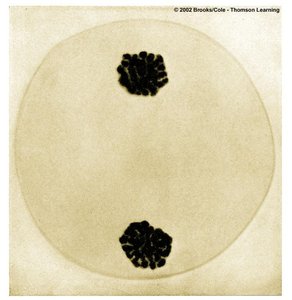
Chromosomes arrive at opposite poles, cytoplasm divides, and two haploid cells are formed.
Meiosis II: Stages
Prophase II
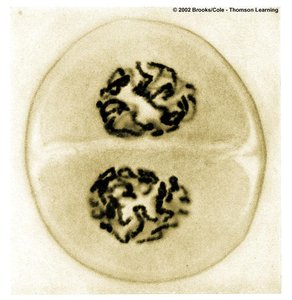
Microtubules attach to chromosomes, and chromosomes move toward the spindle equator.
Metaphase II
Duplicated chromosomes align at the spindle equator.
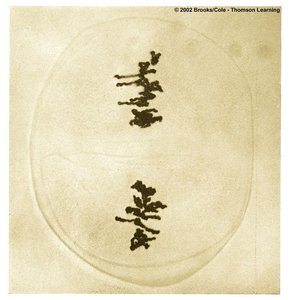
Anaphase II
Sister chromatids separate and move to opposite poles.
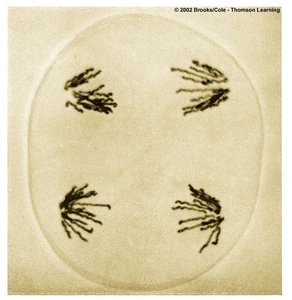
Telophase II
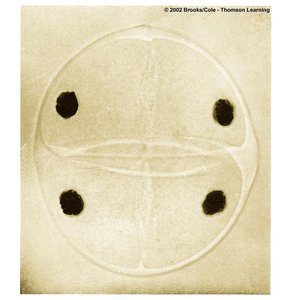
Chromosomes arrive at opposite ends, nuclear envelopes form, cytoplasm divides, and four haploid cells are produced.
Genetic Variation in Sexual Reproduction
Sources of Variation
Sexual reproduction shuffles alleles, creating new combinations and variation among offspring. This variation is essential for evolution.
Crossing over during Prophase I
Random alignment of chromosomes at Metaphase I
Random combination of gametes at fertilization
Gametogenesis: Spermatogenesis and Oogenesis
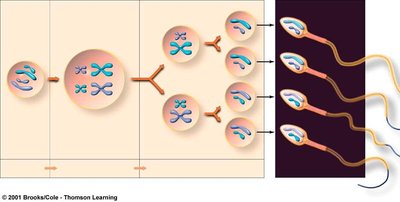
Spermatogenesis
Spermatogenesis is the process of sperm formation in males. It involves growth, two meiotic divisions, and cytoplasmic division, resulting in four haploid spermatids.
Spermatogonium (diploid) → Primary spermatocyte (diploid) → Secondary spermatocytes (haploid) → Spermatids (haploid)
Oogenesis
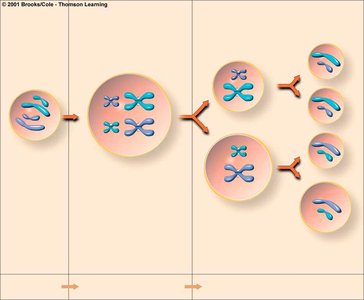
Oogenesis is the process of egg formation in females. It involves growth, two meiotic divisions, and cytoplasmic division, resulting in one ovum and three polar bodies.
Oogonium (diploid) → Primary oocyte (diploid) → Secondary oocyte (haploid) → Ovum (haploid) + polar bodies
Chromosome Combinations and Fertilization
Possible Chromosome Combinations
Chromosome combinations in gametes determine offspring sex and viability. For example, in Komodo dragons, only ZZ males develop, while WW combinations are not viable.


Fertilization
Fertilization is the union of male and female gametes, resulting in a diploid zygote. The random fusion of gametes increases genetic variation.
Mitosis and Meiosis Compared
Comparison of Mitosis and Meiosis
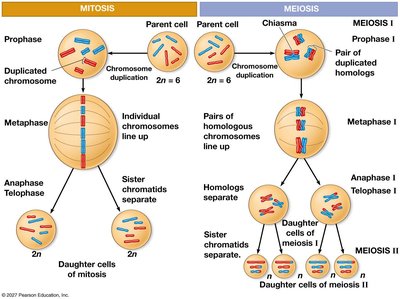
Mitosis and meiosis differ in their functions, outcomes, and processes. Mitosis produces identical diploid cells, while meiosis produces variable haploid cells.
Mitosis: Asexual reproduction, growth, repair; occurs in somatic cells; produces clones.
Meiosis: Sexual reproduction, gamete production; occurs in germ cells; produces variable gametes.
Prophase vs. Prophase I
In mitosis, homologous pairs do not interact. In meiosis, homologous pairs zip together and crossing over occurs.
Anaphase, Anaphase I, and Anaphase II
Anaphase I (Meiosis): Homologous chromosomes separate.
Anaphase/Anaphase II (Mitosis/Meiosis): Sister chromatids separate.
Results of Mitosis and Meiosis
Mitosis: Two diploid cells, identical to parent.
Meiosis: Four haploid cells, different from parent and each other.
Summary Table: Mitosis vs. Meiosis
Feature | Mitosis | Meiosis |
|---|---|---|
Function | Growth, repair, asexual reproduction | Sexual reproduction, gamete production |
Cell type | Somatic cells | Germ cells |
Chromosome number | Diploid (2n) | Haploid (n) |
Genetic variation | None (clones) | High (variable gametes) |
Number of cells produced | 2 | 4 |
Key Equations
Number of possible chromosome combinations in gametes:
where n is the haploid number of chromosomes.
Additional info: The notes cover the essential concepts of meiosis, chromosome number, gametogenesis, and genetic variation, which are central to General Biology chapters on cell division and inheritance.
