 Back
BackMeiosis: Mechanisms and Genetic Variation
Study Guide - Smart Notes
 Tailored notes based on your materials, expanded with key definitions, examples, and context.
Meiosis: Overview and Significance
Introduction to Meiosis
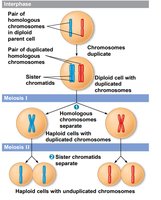
Meiosis is a specialized type of cell division that reduces the chromosome number by half, resulting in the formation of four genetically distinct haploid cells. This process is essential for sexual reproduction and contributes to genetic diversity in populations.
Preceded by Chromosome Replication: Like mitosis, meiosis begins after chromosomes have been duplicated during interphase.
Two Consecutive Divisions: Meiosis consists of two sequential divisions: meiosis I and meiosis II.
Outcome: Four daughter cells are produced, each with half the chromosome number of the original cell.
Stages of Meiosis
General Sequence
Meiosis is divided into two main stages, each with its own subphases. Chromosomes duplicate before meiosis, and the resulting sister chromatids are closely associated due to sister chromatid cohesion. The process sorts chromatids into four haploid daughter cells.
Meiosis I: Reductional Division
Phases of Meiosis I
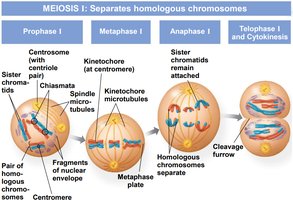
Meiosis I separates homologous chromosomes and reduces the chromosome number by half. It consists of four main phases: prophase I, metaphase I, anaphase I, and telophase I (followed by cytokinesis).
Prophase I
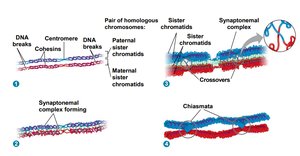
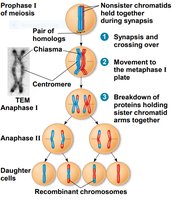
During prophase I, homologous chromosomes pair up and exchange genetic material through crossing over at structures called chiasmata. This phase is characterized by the formation of the synaptonemal complex, which holds homologs together tightly.
Crossing Over: Non-sister chromatids exchange genetic material, increasing genetic variation.
Synapsis: The process of homologous chromosomes pairing and aligning closely.
Metaphase I
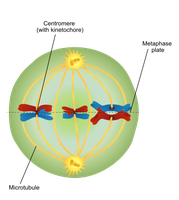
Homologous pairs of chromosomes align at the metaphase plate. Microtubules from opposite poles attach to the kinetochores of homologous chromosomes.
Anaphase I
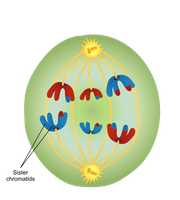
Homologous chromosomes are separated and pulled toward opposite poles by the spindle apparatus. Sister chromatids remain attached at their centromeres.
Telophase I and Cytokinesis
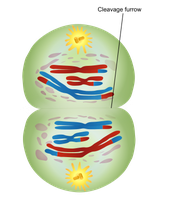
Each half of the cell now has a haploid set of chromosomes, each still consisting of two sister chromatids. Cytokinesis divides the cytoplasm, resulting in two haploid cells. In animals, a cleavage furrow forms; in plants, a cell plate forms. No chromosome replication occurs between meiosis I and II.
Meiosis II: Equational Division
Phases of Meiosis II
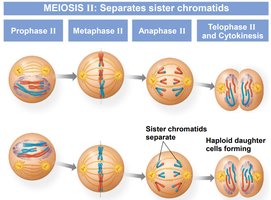
Meiosis II resembles mitosis and separates sister chromatids. It consists of prophase II, metaphase II, anaphase II, and telophase II (followed by cytokinesis).
Prophase II
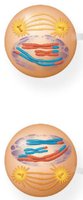
A new spindle apparatus forms in each haploid cell, and chromosomes move toward the metaphase plate.
Metaphase II
Chromosomes align at the metaphase plate. Due to previous crossing over, sister chromatids are no longer genetically identical. Kinetochores attach to microtubules from opposite poles.
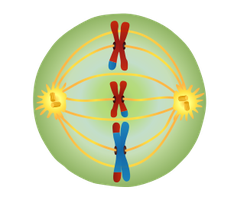
Anaphase II
Sister chromatids are finally separated and move toward opposite poles as individual chromosomes.
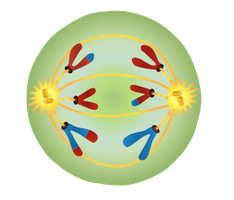
Telophase II and Cytokinesis
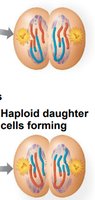
Chromosomes arrive at the poles, nuclei reform, and chromosomes decondense. Cytokinesis results in four genetically distinct haploid daughter cells.
Comparison of Mitosis and Meiosis
Key Differences and Similarities
Mitosis and meiosis are both processes of cell division, but they serve different purposes and have distinct outcomes.
Mitosis: Produces two genetically identical diploid cells; conserves chromosome number.
Meiosis: Produces four genetically unique haploid cells; reduces chromosome number by half.
Unique Events in Meiosis: Synapsis and crossing over (prophase I), homologous pairs at metaphase plate (metaphase I), and separation of homologs (anaphase I).
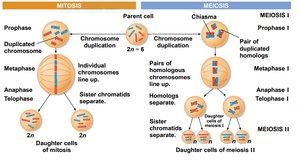
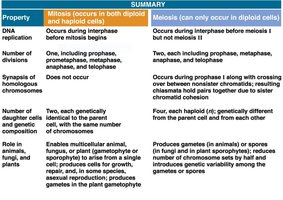
Property | Mitosis | Meiosis |
|---|---|---|
DNA Replication | Occurs during interphase before mitosis begins | Occurs during interphase before meiosis I, not before meiosis II |
Number of Divisions | One | Two |
Synapsis of Homologous Chromosomes | Does not occur | Occurs during prophase I with crossing over |
Number of Daughter Cells and Genetic Composition | Two, genetically identical | Four, genetically different |
Role in Animal/Plant Body | Growth, repair, asexual reproduction | Gamete or spore production |
Genetic Variation in Sexual Life Cycles
Sources of Genetic Variation
Genetic variation is crucial for evolution and adaptation. Sexual reproduction introduces variation through several mechanisms:
Mutations: The original source of genetic diversity, creating new alleles.
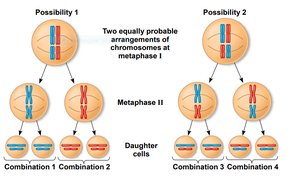
Independent Assortment: Random orientation of homologous chromosomes during metaphase I leads to numerous possible combinations in gametes.
Crossing Over: Exchange of genetic material between non-sister chromatids during prophase I produces recombinant chromosomes.
Random Fertilization: Any sperm can fuse with any ovum, further increasing genetic diversity.
Independent Assortment of Chromosomes
Each homologous pair aligns independently at the metaphase plate during meiosis I. The number of possible combinations is , where n is the haploid number. For humans (n = 23), this results in over 8 million possible combinations.
Crossing Over
Crossing over produces recombinant chromosomes, combining DNA from both parents into a single chromosome. In humans, one to three crossover events typically occur per chromosome pair.
Random Fertilization
The fusion of two gametes, each with millions of possible chromosome combinations, results in a zygote with a unique genetic identity. This process, combined with crossing over, ensures immense genetic diversity in sexually reproducing populations.
Evolutionary Significance of Genetic Variation
Role in Evolution
Genetic variation within populations is the raw material for evolution by natural selection. Sexual reproduction, through mechanisms such as mutation, independent assortment, crossing over, and random fertilization, increases the genetic diversity upon which selection can act. Some asexual organisms, like the bdelloid rotifer, can also increase genetic diversity by incorporating foreign DNA from the environment.
