 Back
BackMeiosis: Mechanisms and Significance in Sexual Reproduction
Study Guide - Smart Notes
 Tailored notes based on your materials, expanded with key definitions, examples, and context.
Meiosis: Mechanisms and Significance in Sexual Reproduction
Introduction to Meiosis
Meiosis is a specialized type of cell division that reduces the chromosome number by half, producing four genetically distinct haploid cells from one diploid parent cell. This process is essential for sexual reproduction and introduces genetic diversity among offspring.
Asexual vs Sexual Reproduction
Comparison of Reproductive Strategies
Asexual Reproduction: Involves a single parent; offspring are genetically identical to the parent. Common mechanisms include mitosis and binary fission.
Sexual Reproduction: Involves two parents; offspring are genetically unique due to the combination of genetic material from both parents. Gametes (egg and sperm) are produced via meiosis.
Example: Bacteria reproduce asexually by binary fission, while humans reproduce sexually, requiring meiosis to produce gametes.
Chromosome Number and Ploidy
Diploid and Haploid States
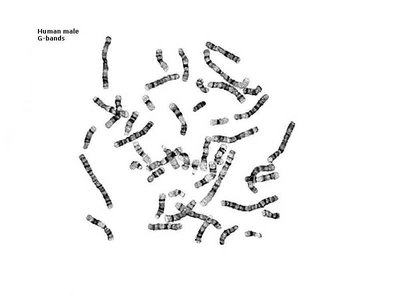
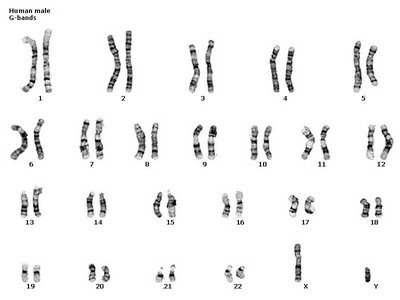
Diploid (2n): Cells with two sets of chromosomes (e.g., human somatic cells have 46 chromosomes).
Haploid (n): Cells with one set of chromosomes (e.g., human gametes have 23 chromosomes).
Meiosis reduces the chromosome number from diploid to haploid, ensuring that fertilization restores the diploid state in the zygote.
Homologous Chromosomes and Sister Chromatids
Definitions and Distinctions
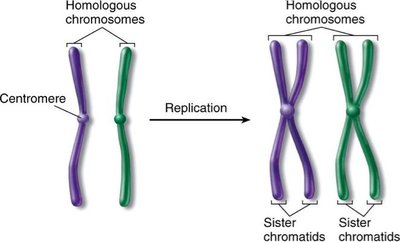
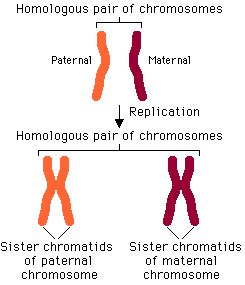
Homologous Chromosomes: Chromosome pairs (one from each parent) that are similar in shape, size, and genetic content but may carry different alleles.
Sister Chromatids: Identical copies of a single chromosome, formed by DNA replication and joined at the centromere.
Overview of Meiosis
Phases of Meiosis
Meiosis I: Homologous chromosomes separate, reducing chromosome number by half (2n to n).
Meiosis II: Sister chromatids separate, similar to mitosis, resulting in four haploid cells.
Each phase includes prophase, metaphase, anaphase, and telophase stages.
Key Events in Meiosis I
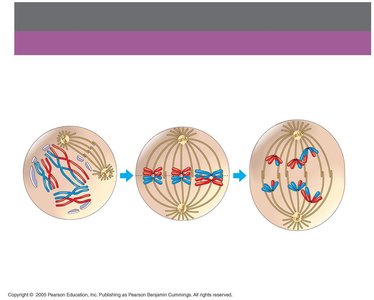
Prophase I: Synapsis and Crossing Over
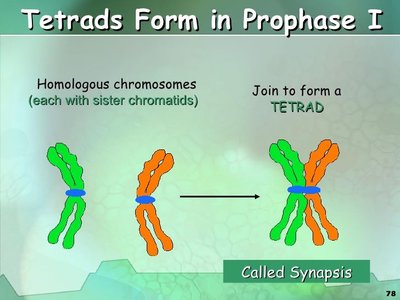
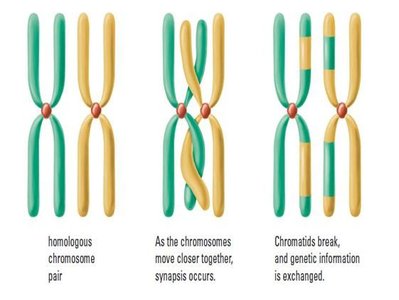
Homologous chromosomes pair up (synapsis) to form tetrads.
Crossing over occurs, where non-sister chromatids exchange genetic material, increasing genetic diversity.
Metaphase I: Independent Assortment
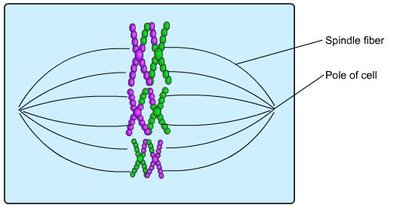
Tetrads align randomly at the metaphase plate, leading to independent assortment of chromosomes.
This randomness further increases genetic variation among gametes.
Anaphase I and Telophase I
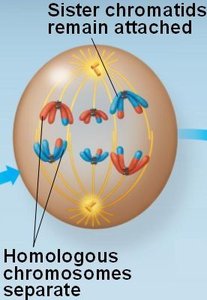
Homologous chromosomes are pulled to opposite poles, while sister chromatids remain attached.
Two haploid cells are formed at the end of meiosis I.
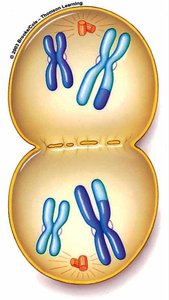
Key Events in Meiosis II
Separation of Sister Chromatids
Meiosis II resembles mitosis; sister chromatids are separated into different cells.
Results in four genetically unique haploid cells.
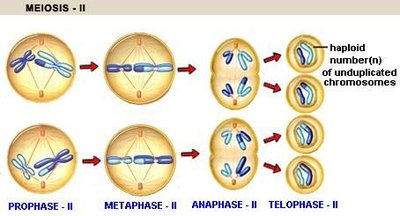
Sources of Genetic Variation in Meiosis
Mechanisms Promoting Diversity
Crossing Over: Exchange of genetic material between homologous chromosomes during Prophase I.
Independent Assortment: Random orientation of homologous pairs during Metaphase I.
Random Fertilization: Any sperm can fertilize any egg, further increasing genetic combinations.
These mechanisms are fundamental to evolution, providing variation for natural selection.
Comparison: Mitosis vs Meiosis
Key Differences
Property | Mitosis | Meiosis |
|---|---|---|
Number of Divisions | 1 | 2 |
Identical to Parent Cell? | Yes | No |
Number of Daughter Cells | 2 | 4 |
Daughter Cell Ploidy | 2n (diploid) | n (haploid) |
Type of Cells Produced | Somatic | Gametes |
Tetrads Formed? | No | Yes |
Crossing Over? | No | Yes |
Summary Table: Mitosis vs Meiosis
Property | Mitosis | Meiosis |
|---|---|---|
DNA Replication | Occurs during interphase before mitosis begins | Occurs during interphase before meiosis I begins |
Number of Divisions | One | Two |
Synapsis of Homologous Chromosomes | Does not occur | Occurs during prophase I with crossing over |
Number of Daughter Cells and Genetic Composition | Two, diploid, genetically identical | Four, haploid, genetically unique |
Role in Animal Body | Growth, repair, asexual reproduction | Production of gametes, genetic variability |
Key Terms and Concepts
Cyclin: Regulatory proteins that control progression of cells through the cell cycle by activating cyclin-dependent kinases (CDKs).
CDK (Cyclin-Dependent Kinase): Enzymes that, when combined with cyclins, phosphorylate target proteins to regulate the cell cycle.
Tumor Suppressor Gene: A gene that protects a cell from one step on the path to cancer. Example: p53 gene. Mutation can lead to uncontrolled cell division.
Sample Cell Cycle Checkpoint
G1 Checkpoint: Ensures the cell is ready for DNA synthesis. Conditions include adequate cell size, sufficient nutrients, and absence of DNA damage.
If a tumor suppressor gene like p53 is mutated, cells may proceed through the checkpoint with damaged DNA, increasing cancer risk.
Equations and Notation
Diploid to Haploid:
Haploid to Diploid (Fertilization):
Visual Summary of Meiosis
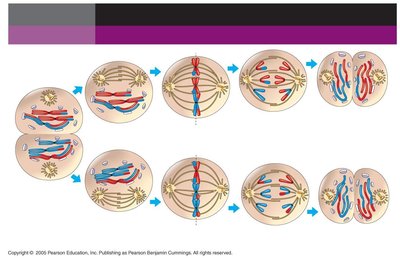
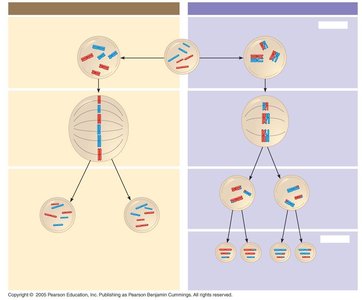
Additional info: The above notes integrate foundational concepts from the AP/college-level biology curriculum, including the mechanisms of meiosis, sources of genetic variation, and the importance of cell cycle regulation. The included images reinforce key stages and distinctions in meiosis and mitosis.
