 Back
Meiosis: Mechanisms, Chromosomal Behavior, and Genetic Variation
Study Guide - Smart Notes
 Tailored notes based on your materials, expanded with key definitions, examples, and context.
Meiosis and Chromosome Structure
Introduction to Ploidy and Chromosome Sets
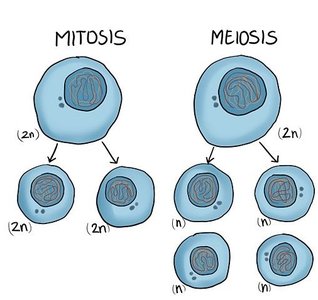
Meiosis is a specialized type of cell division that reduces the chromosome number by half, producing haploid gametes from diploid cells. Understanding ploidy and chromosome structure is essential for grasping the mechanisms of meiosis.
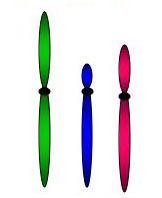
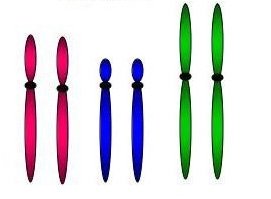
Diploid (2n): Cells with two sets of chromosomes, one from each parent. Example: somatic cells in humans.
Haploid (n): Cells with a single set of chromosomes. Example: gametes (sperm and egg).
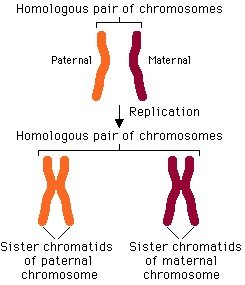
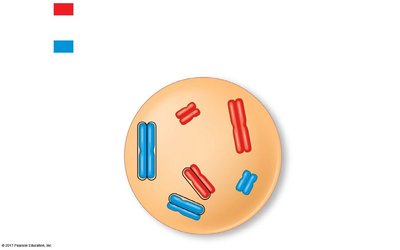
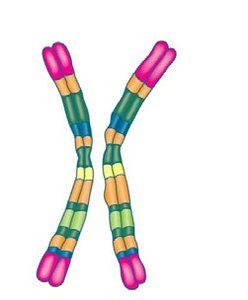
Homologous chromosomes: Chromosomes of the same length carrying genes for the same traits, one inherited from each parent.
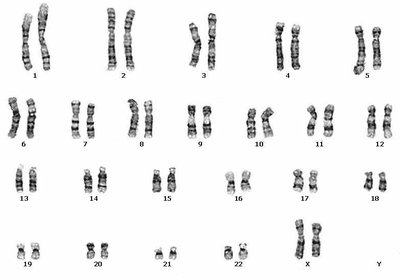
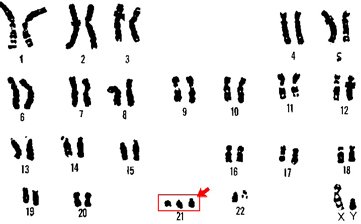
Karyotype: The number and appearance of chromosomes in the nucleus of a eukaryotic cell. Humans have 2n = 46 chromosomes (n = 23), including 22 pairs of autosomes and one pair of sex chromosomes.
Overview of Meiosis
Purpose and Process of Meiosis
Meiosis ensures genetic diversity and maintains a constant chromosome number across generations. It consists of two sequential divisions: Meiosis I and Meiosis II.
Purpose:
Reduce chromosome number from diploid to haploid.
Ensure each gamete receives a complete set of chromosomes.
Introduce genetic variation through recombination and independent assortment.
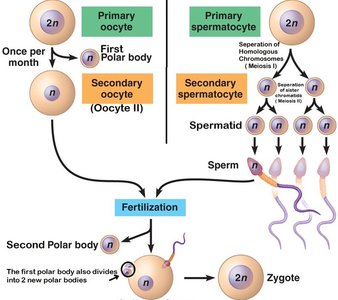
Gametogenesis: The process by which germ cells undergo meiosis to produce gametes (spermatogenesis in males, oogenesis in females).
Sexual Life Cycle and Chromosome Behavior
Alternation of Generations and Fertilization
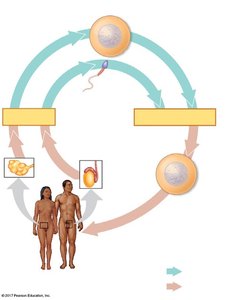
Sexual reproduction involves the alternation of haploid and diploid stages. Fertilization restores diploidy, while meiosis restores haploidy in gametes.
Fertilization: Fusion of haploid gametes to form a diploid zygote.
Life cycle variations: Animals, plants, fungi, and protists differ in the timing and dominance of haploid/diploid stages.
Mechanisms of Meiosis
Phases of Meiosis
Meiosis consists of two main divisions: Meiosis I (reductional division) and Meiosis II (equational division). Each phase has distinct chromosomal behaviors.
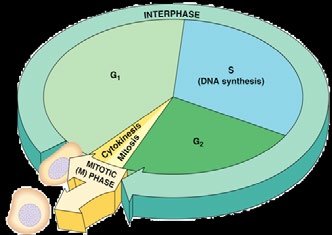
Interphase: Chromosomes duplicate, centrosomes divide, and chromatin condenses.
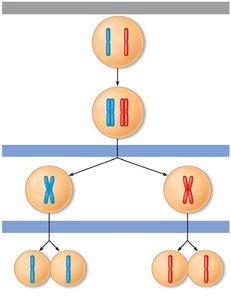
Meiosis I: Homologous chromosomes separate, reducing chromosome number by half.
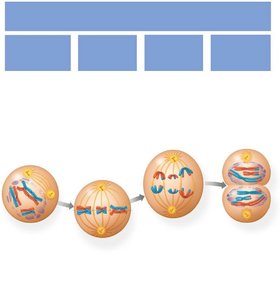
Meiosis II: Sister chromatids separate, similar to mitosis, resulting in four haploid cells.
Prophase I: Synapsis and Crossing Over
Prophase I is a critical stage where homologous chromosomes pair and exchange genetic material, increasing genetic diversity.
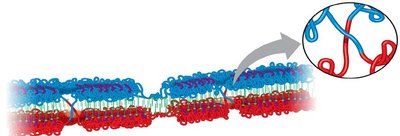
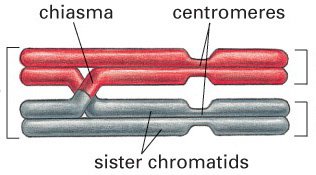
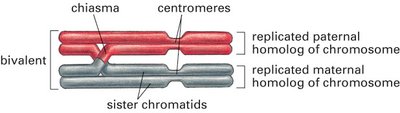
Synapsis: Homologous chromosomes pair up to form tetrads (bivalents).
Crossing over: Non-sister chromatids exchange genetic segments at points called chiasmata, resulting in recombination.

Metaphase I and Anaphase I
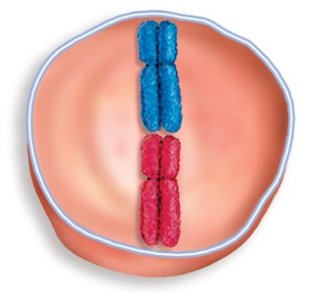
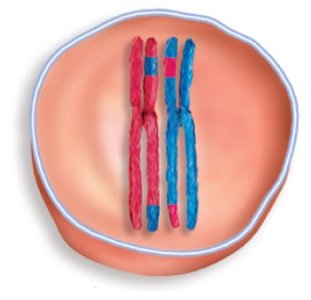
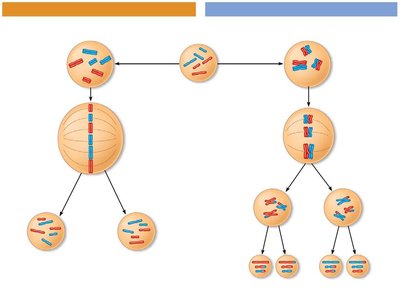
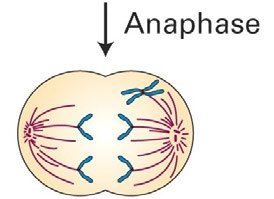
During Metaphase I, homologous pairs align at the metaphase plate. In Anaphase I, homologous chromosomes (not sister chromatids) are separated and pulled to opposite poles.
Key differences from mitosis: Homologous chromosomes, not sister chromatids, are separated in Meiosis I.
Genetic Variation and Errors in Meiosis
Sources of Genetic Variation
Meiosis introduces genetic diversity through several mechanisms:
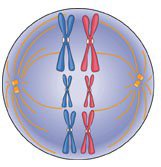
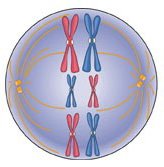
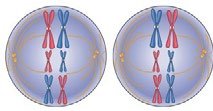
Independent Assortment: Random orientation of homologous pairs during Metaphase I leads to varied combinations of maternal and paternal chromosomes in gametes.
Crossing Over: Exchange of genetic material between non-sister chromatids during Prophase I creates new allele combinations.
Random Fertilization: Any sperm can fertilize any egg, further increasing genetic variation.

Meiotic Errors: Nondisjunction and Aneuploidy
Errors during meiosis can lead to abnormal chromosome numbers in gametes and zygotes.
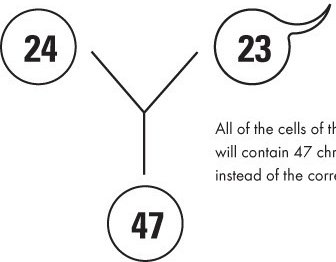
Nondisjunction: Failure of homologous chromosomes or sister chromatids to separate properly, resulting in gametes with abnormal chromosome numbers.
Aneuploidy: Presence of an abnormal number of chromosomes (e.g., trisomy 21, which causes Down syndrome).
Polyploidy: Extra sets of chromosomes, more common in plants than animals.
Prokaryotes and Genetic Variability
Horizontal and Vertical Gene Transfer
Prokaryotes do not undergo meiosis but achieve genetic variation through other mechanisms:
Horizontal gene transfer: Transfer of genetic material between organisms without reproduction (e.g., transformation, transduction, conjugation).
Vertical gene transfer: Transmission of genetic material from parent to offspring during reproduction.
Key Vocabulary
Ploidy: Number of sets of chromosomes in a cell.
Synapsis: Pairing of homologous chromosomes during Prophase I of meiosis.
Autosomes: Non-sex chromosomes.
Crossing over: Exchange of genetic material between non-sister chromatids.
Nonsister chromatids: Chromatids of homologous chromosomes, not identical copies.
Chiasmata: Sites where crossing over occurs between homologous chromosomes.
Gametogenesis: Formation of gametes through meiosis.
Nondisjunction: Failure of chromosome pairs to separate properly during meiosis.
Aneuploidy: Abnormal number of chromosomes in a cell.
Oogenesis: Formation of eggs in females.
Spermatogenesis: Formation of sperm in males.
Recombination: Exchange of genetic material between chromosomes.
Germ cells: Cells that give rise to gametes.
Gametes: Haploid reproductive cells (sperm and egg).
Transformation: Uptake of foreign DNA by a prokaryotic cell.
