 Back
BackBIO 1113 Ch 13 part 1
Study Guide - Smart Notes
 Tailored notes based on your materials, expanded with key definitions, examples, and context.
Meiosis: Mechanisms, Genetic Variation, and Errors
Overview of Chapter 13: Meiosis
This chapter explores how meiosis promotes genetic diversity and enables the benefits of sexual reproduction. The main topics include the process of meiosis, its role in generating genetic variation, and the consequences of errors during meiosis.
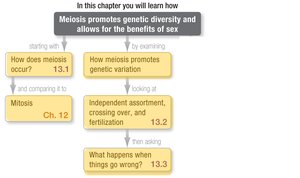
How Meiosis Occurs (13.1)
Generalizations About Chromosome Number and Life Cycles
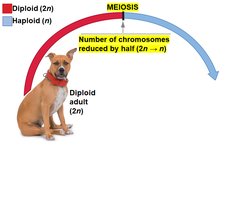
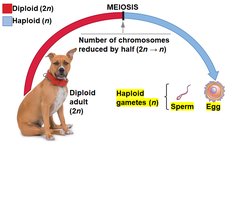
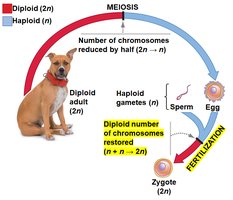
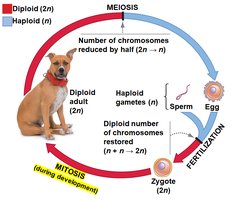
Each species has a characteristic chromosome number. Most animals are diploid (2n), meaning they possess two sets of chromosomes. Meiosis reduces the chromosome number by half, producing haploid (n) gametes (eggs and sperm). Fertilization restores the diploid state in the zygote.
Diploid (2n): Two sets of chromosomes, one from each parent.
Haploid (n): One set of chromosomes, found in gametes.
Fertilization: Fusion of haploid gametes to form a diploid zygote.
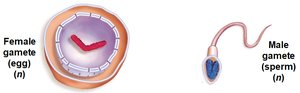
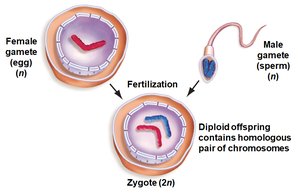
Animal Life Cycle and Chromosome Reduction
Meiosis and fertilization are central to the animal life cycle. Meiosis reduces chromosome number, while fertilization restores it. Mitosis is responsible for growth and development of the diploid organism.
Meiosis: Reduces chromosome number from diploid to haploid.
Fertilization: Restores diploid chromosome number.
Mitosis: Maintains diploid state during development.
Chromosome Structure and Karyotypes
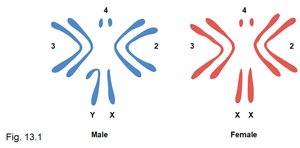
Chromosomes vary in size and shape. The Drosophila melanogaster karyotype illustrates three pairs of autosomes and one pair of sex chromosomes (X-Y system).
Autosomes: Non-sex chromosomes.
Sex chromosomes: Determine sex (e.g., X and Y in fruit flies and humans).
Karyotype: Visual representation of chromosome pairs.
Key Terms for Chromosomes
Understanding chromosome terminology is essential for studying meiosis.
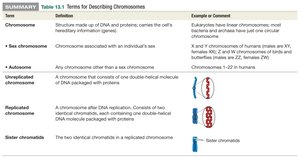
Term | Definition | Example or Comment |
|---|---|---|
Chromosome | Structure made up of DNA and protein; carries hereditary information | Eukaryotes have linear chromosomes; most bacteria have circular chromosomes |
Sex chromosome | Chromosome associated with an individual's sex | X and Y chromosomes in humans |
Autosome | Any chromosome other than a sex chromosome | Chromosomes 1-22 in humans |
Replicated chromosome | Chromosome after DNA replication; consists of two sister chromatids | Double-helical DNA molecules joined at centromere |
Sister chromatids | Two identical chromatids in a replicated chromosome | Sister chromatids |
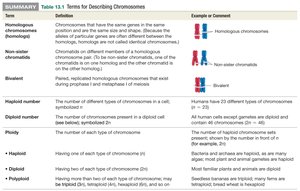
Term | Definition | Example or Comment |
|---|---|---|
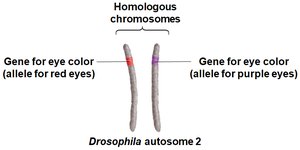
Homologous chromosomes | Chromosomes with same genes in same position, but possibly different alleles | Homologous chromosomes |
Non-sister chromatids | Chromatids on different members of a homologous pair | Non-sister chromatids |
Bivalent | Paired homologous chromosomes during meiosis | Bivalent |
Haploid number (n) | Number of different types of chromosomes in a cell | Humans: n = 23 |
Diploid number (2n) | Number of chromosomes present in diploid cell | Humans: 2n = 46 |
Ploidy | Number of each type of chromosome | Diploid, haploid, polyploid |
Overview of Meiosis
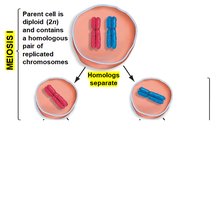
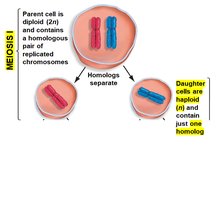
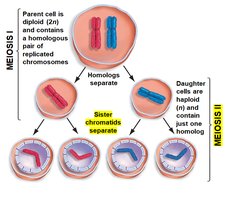
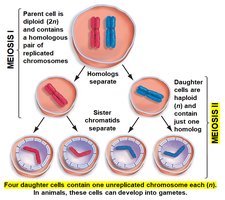
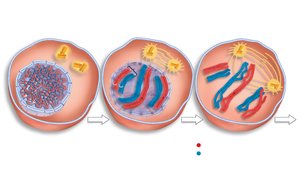
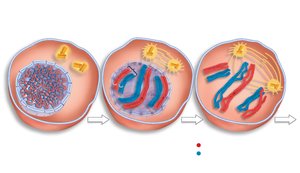
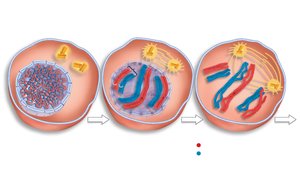
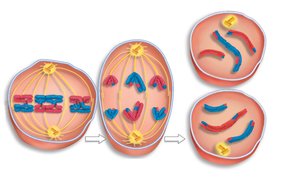
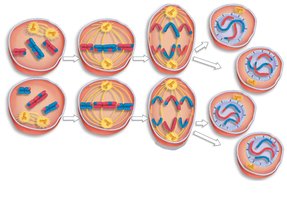
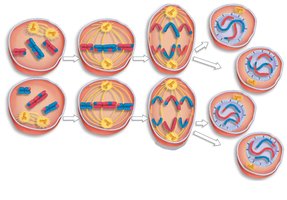
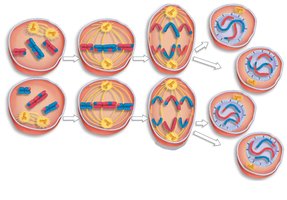
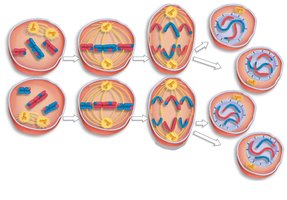
Meiosis consists of two consecutive divisions: Meiosis I and Meiosis II. The process starts with a diploid cell and results in four haploid cells.
S-phase: DNA is replicated once before meiosis.
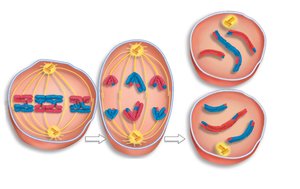
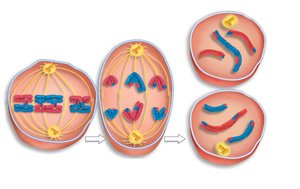
Meiosis I: Homologous chromosomes separate (reduction division).
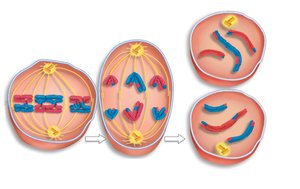
Meiosis II: Sister chromatids separate (similar to mitosis).
Result: Four haploid cells, each genetically distinct.
Details of Meiosis
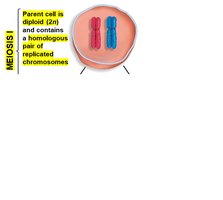
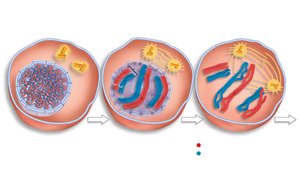
Meiosis I separates homologous chromosomes, while Meiosis II separates sister chromatids. The stages include prophase, metaphase, anaphase, and telophase for each division.
Meiosis I: Homologous chromosomes pair, undergo crossing over, and then separate.
Meiosis II: Sister chromatids separate, resulting in four haploid cells.
Synapsis and Crossing Over
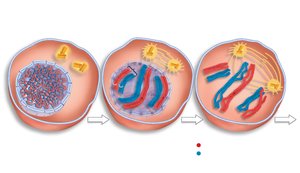
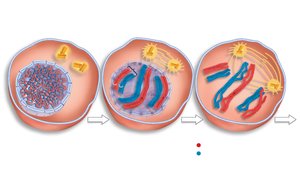
During Prophase I, homologous chromosomes pair (synapsis) and exchange genetic material (crossing over), increasing genetic variation.
Synapsis: Homologous chromosomes pair and are held together by the synaptonemal complex.
Crossing Over: Non-sister chromatids exchange segments at chiasmata, resulting in recombinant chromosomes.
Meiosis Promotes Genetic Variation (13.2)
Asexual vs. Sexual Reproduction
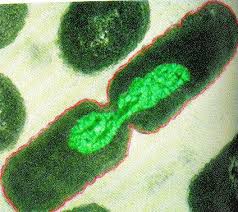
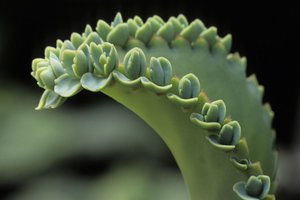
Asexual reproduction produces genetically identical offspring, while sexual reproduction generates genetic diversity through recombination and independent assortment.
Asexual reproduction: Offspring are clones of the parent.
Sexual reproduction: Offspring have unique combinations of alleles.
Genetic Recombination and Independent Assortment
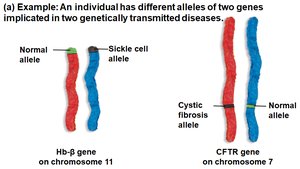
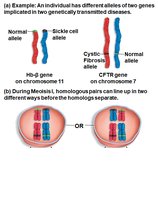
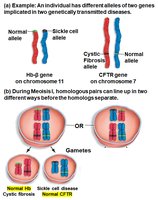
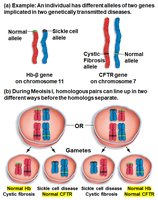
Genetic recombination refers to any change in allelic combination. Independent assortment during meiosis increases genetic variation, as chromosomes are randomly distributed to gametes.
Independent assortment: Each pair of chromosomes sorts independently, resulting in possible combinations (where n is the number of chromosome pairs).
Example: Humans have 22 autosomal pairs, so possible combinations.
Crossing Over and Fertilization
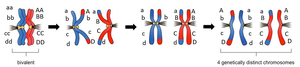
Crossing over further increases genetic variation by producing recombinant chromosomes. Fertilization is a random process, and can involve self-fertilization (selfing) or cross-fertilization (outcrossing), both contributing to genetic diversity.
Crossing over: Exchange of genetic material between non-sister chromatids.
Self-fertilization: Gametes from one parent combine, increasing diversity compared to asexual reproduction.
Cross-fertilization: Gametes from two parents combine, resulting in even greater diversity.
What Happens When Things Go Wrong? (13.3)
Non-disjunction of Chromosomes
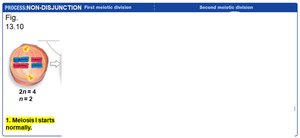
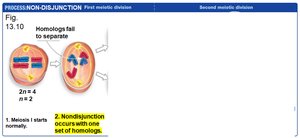
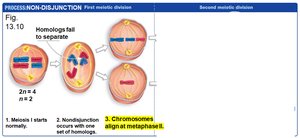
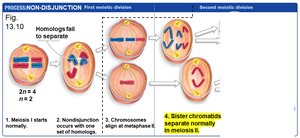
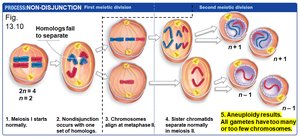
Non-disjunction occurs when chromosomes fail to separate properly during meiosis, leading to gametes with abnormal chromosome numbers (aneuploidy).
Meiosis I: Homologous chromosomes fail to separate during Anaphase I.
Meiosis II: Sister chromatids fail to separate during Anaphase II.
Aneuploidy: Gametes have too many or too few chromosomes.
Frequency and Consequences of Non-disjunction
Non-disjunction is relatively common in humans. Approximately 35% of zygotes arise from fertilization involving aneuploid gametes, most resulting in miscarriage. Survivors may have developmental disorders, such as Down Syndrome (trisomy-21). The probability of non-disjunction increases with maternal age due to aging oocytes arrested in Prophase I.
Trisomy-21: Associated with Down Syndrome.
Maternal age: Older oocytes are more prone to errors.
Summary Table: Key Terms and Concepts
Term | Definition |
|---|---|
Meiosis | Cell division that reduces chromosome number by half, producing haploid gametes |
Fertilization | Fusion of haploid gametes to restore diploid chromosome number |
Independent Assortment | Random distribution of chromosome pairs during meiosis |
Crossing Over | Exchange of genetic material between homologous chromosomes |
Non-disjunction | Failure of chromosomes to separate properly during meiosis |
Aneuploidy | Abnormal number of chromosomes in gametes or zygotes |
Additional info: The notes expand on brief points from the outline, providing academic context, definitions, and examples to ensure completeness and clarity for exam preparation.
