 Back
Meiosis: Mechanisms, Outcomes, and Genetic Variation
Study Guide - Smart Notes
 Tailored notes based on your materials, expanded with key definitions, examples, and context.
Meiosis: Mechanisms, Outcomes, and Genetic Variation
Introduction to Meiosis
Meiosis is a specialized type of cell division that reduces the chromosome number by half, resulting in the formation of haploid gametes. It is essential for sexual reproduction and contributes to genetic diversity in populations.
Meiosis occurs in two sequential divisions: Meiosis I and Meiosis II.
Produces four genetically unique haploid cells from one diploid parent cell.
Contrasts with mitosis, which produces two genetically identical diploid cells.
Sexual vs. Asexual Reproduction
Organisms can reproduce either sexually or asexually, each with distinct outcomes and mechanisms.
Sexual reproduction involves meiosis, two parents, and the fusion of gametes (sperm and egg) to form a zygote. Offspring are genetically varied.
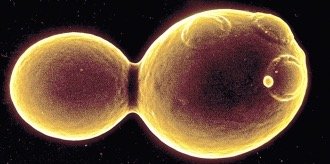
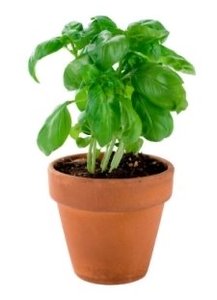
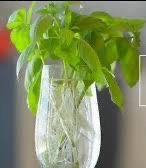
Asexual reproduction involves mitosis, one parent, and produces clones that are genetically identical to the parent. Methods include fission, budding, regeneration, and vegetative propagation in plants.
Example: Budding yeast reproduce mostly by mitosis (asexual), but can also mate (sexual).

Inheritance of Genes and Chromosomes
Genes are inherited from parents via chromosomes, which are highly condensed structures of DNA.
Genes are units of heredity located at specific loci on chromosomes.
Gametes (sperm and eggs) carry genes to the next generation.
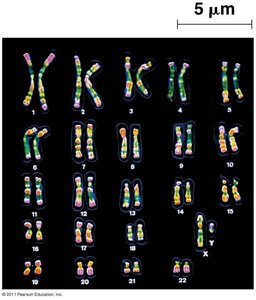
Each organism has a characteristic number of chromosomes, which come in distinct sizes and shapes.
Sex chromosomes determine sex (XX for females, XY for males in humans); autosomes are non-sex chromosomes.
Terminology: Homologous Chromosomes, Alleles, and Chromatids
Understanding chromosome structure and terminology is crucial for grasping meiosis.
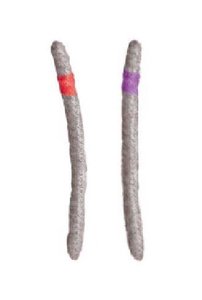
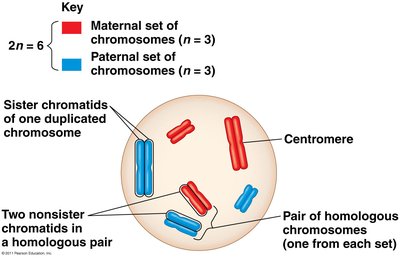
Homologous chromosomes (homologs) are pairs containing the same genes at the same loci, but may have different alleles.
Alleles are different versions of a gene.
Sister chromatids are identical copies formed by DNA replication; non-sister chromatids belong to homologous chromosomes.
Ploidy: Diploid, Haploid, and Polyploid
Ploidy refers to the number of complete sets of chromosomes in a cell.
Diploid (2n): Two sets of chromosomes (e.g., human somatic cells).
Haploid (n): One set of chromosomes (e.g., gametes).
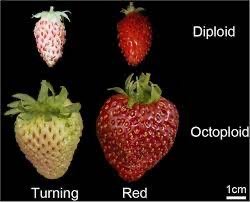
Polyploid: More than two sets (common in plants, e.g., octoploid strawberries).
Meiosis: Process Overview
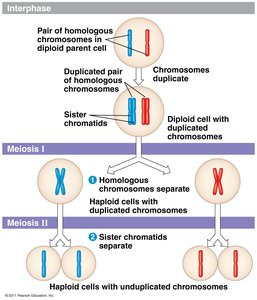
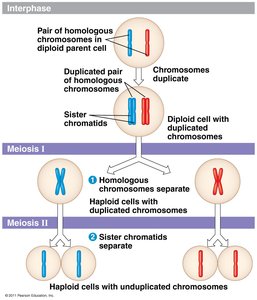
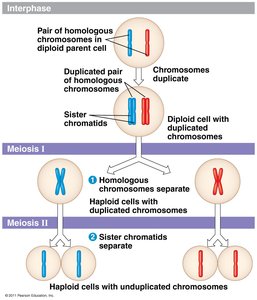
Meiosis consists of two divisions: Meiosis I (reductional) and Meiosis II (equational).
Meiosis I: Homologous chromosomes separate, reducing chromosome number from diploid to haploid.
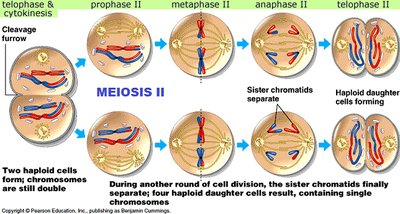
Meiosis II: Sister chromatids separate, similar to mitosis.
Results in four haploid gametes, each genetically unique.
Mechanisms of Genetic Variation
Meiosis and sexual reproduction generate genetic diversity through several mechanisms.
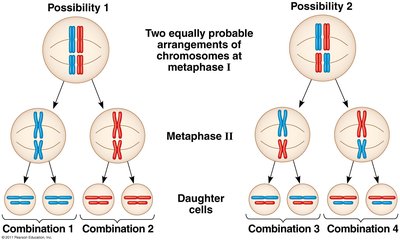
Independent assortment: Chromosomes are randomly distributed to gametes.
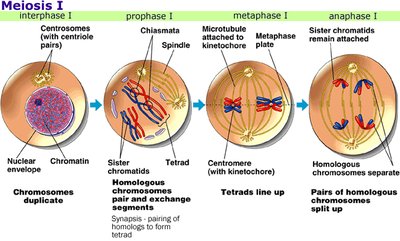
Crossing over: Homologous chromosomes exchange genetic material during Prophase I.
Random fertilization: Any sperm can fertilize any egg, increasing possible combinations.
Comparison of Mitosis and Meiosis
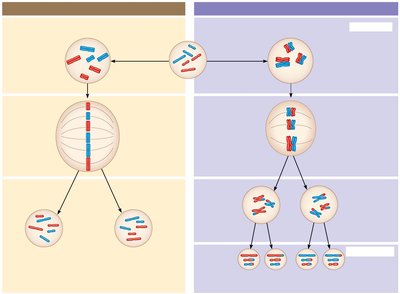
Mitosis and meiosis differ in their outcomes and mechanisms.
Mitosis: Conserves chromosome number, produces identical cells.
Meiosis: Reduces chromosome number, produces genetically diverse cells.
Unique Events in Meiosis I
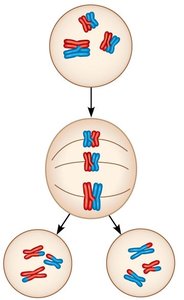
Three events distinguish meiosis from mitosis, all occurring in Meiosis I:
Synapsis and crossing over in Prophase I.
Alignment of homologous pairs at the metaphase plate.
Separation of homologous chromosomes in Anaphase I.
Chromosome and Chromatid Separation
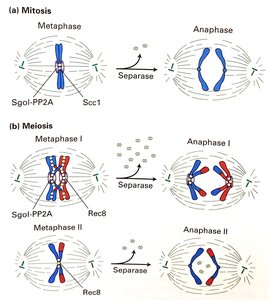
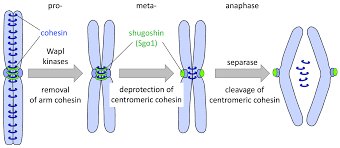
Protein complexes called cohesins hold sister chromatids together, allowing proper separation during cell division.
In mitosis, cohesins are cleaved at the end of metaphase.
In meiosis, cohesins are cleaved along chromosome arms in Anaphase I and at centromeres in Anaphase II.
Origins of Genetic Variation
Genetic variation arises from mutations, independent assortment, crossing over, and random fertilization.
Mutations are the original source of genetic diversity.
Reshuffling of alleles during meiosis and fertilization increases variation.
Crossing Over: A Closer Look
Crossing over produces recombinant chromosomes, combining DNA from both parents.
Occurs early in Prophase I, with homologous chromosomes pairing gene by gene.
Chiasmata (cross-over points) keep homologs together until Metaphase I.
1-3 crossover events occur per homologous pair in each meiosis.
X-Y Chromosome Pairing and Dosage Compensation
In male meiosis, X and Y chromosomes pair via pseudoautosomal regions, allowing proper segregation. Dosage compensation in females occurs through X-inactivation, forming a Barr body.
Barr body: Inactivated X chromosome visible in female cells.
Ensures equal expression of X-linked genes in males and females.
Consequences of Errors in Meiosis
Errors in meiosis, such as nondisjunction, can lead to aneuploidy (abnormal chromosome number).
Down syndrome (trisomy 21) is caused by an extra copy of chromosome 21.
Most aneuploidies are lethal; only a few, like trisomy 21, result in viable offspring.
Nondisjunction most commonly occurs in female Meiosis I.
Summary Table: Comparison of Mitosis and Meiosis
Feature | Mitosis | Meiosis |
|---|---|---|
Number of divisions | 1 | 2 |
Number of daughter cells | 2 | 4 |
Chromosome number | Same as parent (2n) | Half of parent (n) |
Genetic identity | Identical | Unique |
Role | Growth, repair | Gamete production |
Key Equations
Number of possible gamete combinations due to independent assortment:
For humans (): possible gametes
Possible zygote combinations (random fertilization):
Conclusion
Meiosis is fundamental to sexual reproduction, ensuring genetic diversity and proper chromosome number in offspring. Its unique mechanisms—independent assortment, crossing over, and random fertilization—drive evolution and adaptation in populations. Errors in meiosis can have significant consequences, highlighting its importance in biology.
