 Back
Membrane Structure and Function: Study Notes for General Biology
Study Guide - Smart Notes
 Tailored notes based on your materials, expanded with key definitions, examples, and context.
Membrane Structure and Function
Plasma Membrane Structure and Function
The plasma membrane is a fundamental structure present in all cells, serving as a boundary between the internal cytoplasm and the external environment. It enables the compartmentalization of cellular processes and maintains homeostasis. The fluid mosaic model describes the dynamic arrangement of molecules within the membrane.
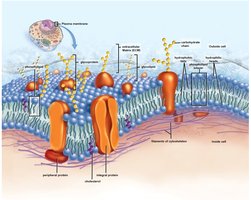
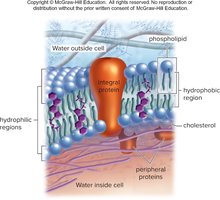
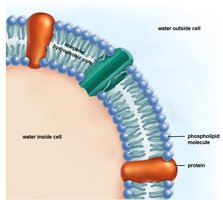
Phospholipid bilayer: Composed of hydrophilic (water-loving) heads facing outward and inward, and hydrophobic (water-fearing) tails sandwiched in between.
Membrane proteins: Include peripheral proteins (on the inner surface) and integral proteins (embedded or spanning the membrane).
Cholesterol: Modulates membrane fluidity and stability.
Components of the Plasma Membrane
The plasma membrane consists of three main components:
Lipids: Primarily phospholipids forming the bilayer.
Proteins: Peripheral and integral proteins with diverse functions.
Carbohydrate chains: Attached to proteins (glycoproteins) or lipids (glycolipids), contributing to cellular identification and membrane asymmetry.
Membrane Protein Diversity and Functions
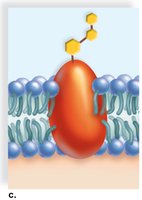
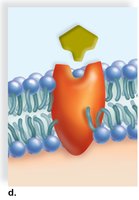
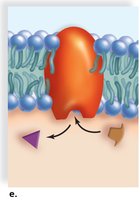
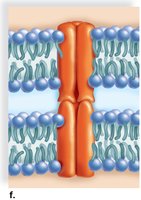
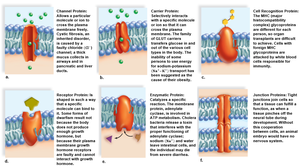
Membrane proteins are essential for various cellular activities. Their functions include:
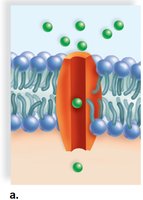
Channel Proteins: Form channels for molecules or ions to cross the membrane freely.
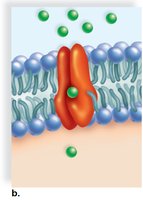
Carrier Proteins: Bind and transport specific substances across the membrane.
Cell Recognition Proteins: Glycoproteins that help the body identify foreign substances.
Receptor Proteins: Bind to signaling molecules and initiate cellular responses.
Enzymatic Proteins: Catalyze metabolic reactions directly at the membrane.
Junction Proteins: Facilitate attachment and communication between adjacent cells.
Cell Signaling and Communication
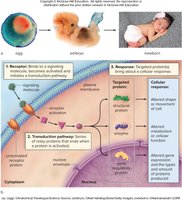
Cells communicate using signaling molecules that bind to specific receptors, triggering a cascade of events known as the signal transduction pathway. This process results in a cellular response, such as altered metabolism, gene expression, or cell movement.
Example: Insulin released by the pancreas binds to liver cell receptors, causing glucose storage as glycogen. Failure in this pathway can lead to diabetes.
Permeability of the Plasma Membrane
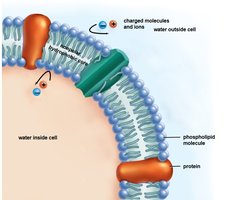
The plasma membrane is selectively permeable, allowing certain molecules to cross while restricting others.
Aquaporins: Specialized proteins that facilitate rapid water transport.
Carrier proteins: Assist in the movement of ions and polar molecules.
Active transport: Requires energy to move substances against their concentration gradient.
Bulk transport: Includes exocytosis (export) and endocytosis (import) of large particles.
How Molecules Cross the Plasma Membrane
Molecules cross the membrane via several mechanisms:
Simple diffusion: Movement of nonpolar molecules directly through the lipid bilayer.
Facilitated diffusion: Movement of polar molecules and ions via channel or carrier proteins.
Osmosis: Diffusion of water across a selectively permeable membrane.
Active transport: Movement against the concentration gradient using energy (ATP).
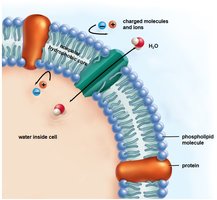
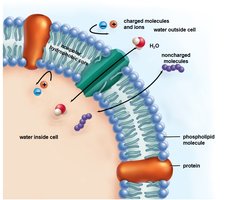
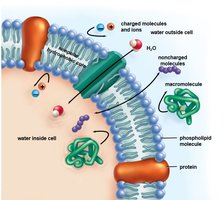
Passive Transport Across a Membrane
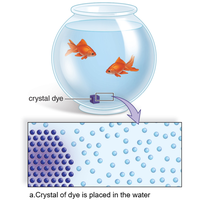
Diffusion
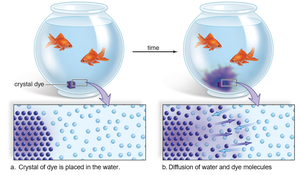
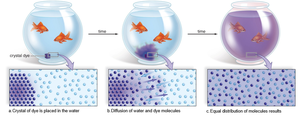
Diffusion is the net movement of molecules from an area of high concentration to low concentration, driven by the concentration gradient.
Equilibrium: Achieved when net movement stops and concentrations are uniform.
Factors affecting diffusion: Temperature, pressure, electrical currents, and molecular size.
Gas Exchange in Lungs
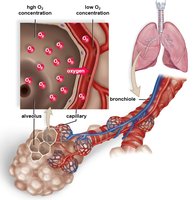
Gas exchange in the lungs is an example of diffusion, where oxygen moves from alveoli (high concentration) to capillaries (low concentration).
Osmosis
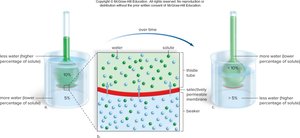
Osmosis is the diffusion of water across a selectively permeable membrane. Water moves toward the side with higher solute concentration (lower water concentration).
Osmotic pressure: The pressure that develops due to osmosis.
Osmosis in Animal and Plant Cells
The effects of osmosis differ in animal and plant cells depending on the solution type:
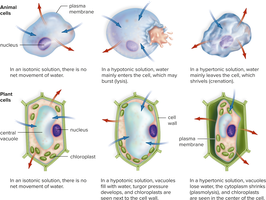
Isotonic: Equal solute and water concentrations; no net water movement.
Hypotonic: Lower solute concentration outside; cells swell (turgor pressure in plants, lysis in animals).
Hypertonic: Higher solute concentration outside; cells shrink (crenation in animals, plasmolysis in plants).
Facilitated Transport
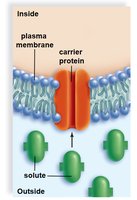
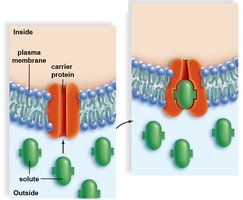
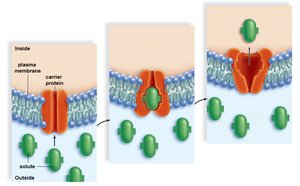
Facilitated transport involves the movement of molecules (e.g., glucose, amino acids) across the membrane via specific carrier proteins, following the concentration gradient. No energy is required.
Active Transport Across a Membrane
Active Transport
Active transport moves molecules against their concentration gradient (from low to high concentration) using energy (ATP) and carrier proteins.
Sodium-potassium pump: Uses ATP to move Na+ out and K+ into the cell, maintaining electrochemical gradients.
Modification of Cell Surfaces
Extracellular Matrix (ECM)
The extracellular matrix is a meshwork of proteins and polysaccharides outside animal cells, providing structural support and facilitating cell signaling.
Collagen: Resists stretching.
Elastin: Provides resilience.
Fibronectin: Binds to integrin, aiding communication.
Proteoglycans: Resist compression and regulate material passage.
Junctions Between Cells
Cell junctions are specialized structures that connect adjacent cells:
Adhesion junctions: Intercellular filaments for structural support.
Desmosomes: Internal cytoplasmic plaques.
Tight junctions: Form impermeable barriers.
Gap junctions: Channels for communication, important in muscle tissue.
Plant Cell Walls and Plasmodesmata
Plant cells have a freely permeable cell wall made of cellulose. Plasmodesmata are channels that penetrate the cell wall, allowing passage of materials between cells. Woody plants have a secondary cell wall with lignin for added strength. Summary Table: Passage of Molecules into and out of the Cell
Transport Type | Direction | Energy Required | Example |
|---|---|---|---|
Simple Diffusion | High to Low | No | O2 across membrane |
Facilitated Diffusion | High to Low | No | Glucose via carrier protein |
Osmosis | High to Low (water) | No | Water movement |
Active Transport | Low to High | Yes (ATP) | Sodium-potassium pump |
Bulk Transport | In/Out | Yes | Exocytosis, Endocytosis |
Additional info: The notes expand on the original lecture outline by providing definitions, examples, and a summary table for clarity and completeness.
