 Back
Mendel and the Gene Idea: Principles of Inheritance
Study Guide - Smart Notes
 Tailored notes based on your materials, expanded with key definitions, examples, and context.
Chapter 14: Mendel and the Gene Idea
Introduction to Mendelian Genetics
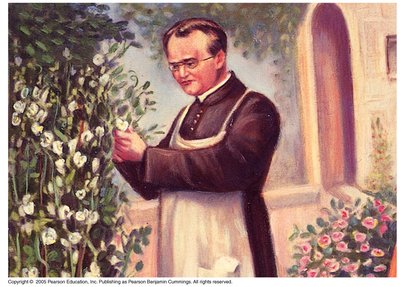
Mendel's experiments with pea plants established the foundational principles of heredity, leading to the discovery of two key laws of inheritance. His quantitative approach and careful breeding experiments revealed predictable patterns in the transmission of traits.
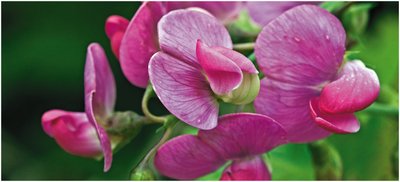
Key Point 1: Mendel used pea plants due to their distinct heritable features, ease of controlled mating, and clear trait variations.
Key Point 2: By crossing true-breeding varieties, Mendel observed inheritance patterns and formulated his laws.
Example: Mendel tracked traits such as flower color, seed shape, and pod color, focusing on those with “either-or” variations.
Mendel’s Experimental Paradigm
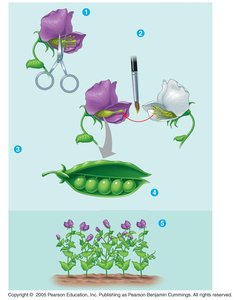
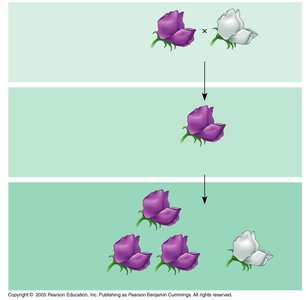
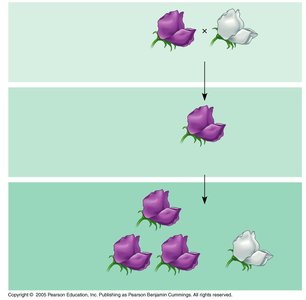
Mendel’s experiments involved hybridization between contrasting, true-breeding pea plants. The parental generation (P) produced hybrid offspring (F1), which, when self-pollinated, yielded the F2 generation.
Key Point 1: The P generation consists of true-breeding parents; F1 are hybrids; F2 are produced by self-pollination of F1.
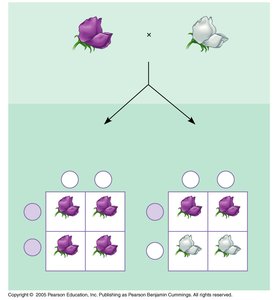
Key Point 2: Mendel observed a 3:1 ratio of dominant to recessive traits in the F2 generation.
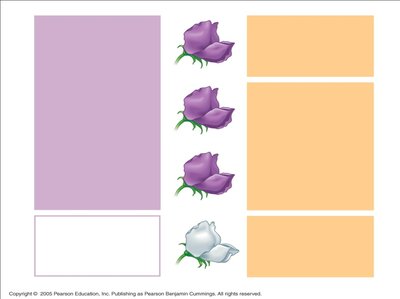
Example: Crossing purple and white flowered plants resulted in all purple F1, but both purple and white in F2.
The Law of Segregation
Mendel’s first law states that two alleles for a heritable character segregate during gamete formation, resulting in each gamete carrying only one allele.
Key Point 1: Dominant traits mask recessive traits in heterozygotes.
Key Point 2: The 3:1 ratio in F2 is explained by the segregation of alleles.
Example: The gene for flower color exists in two alleles: purple (dominant) and white (recessive).
Genes, Alleles, and Chromosomes
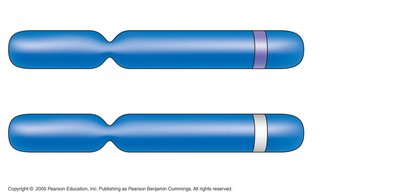
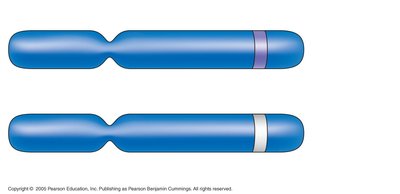
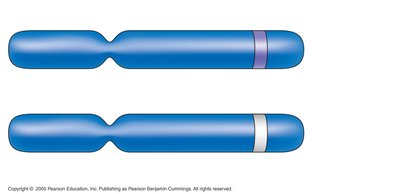
Mendel’s “heritable factors” are now known as genes, which exist in alternative forms called alleles. Each gene is located at a specific locus on a chromosome.
Key Point 1: Each organism inherits two alleles for each gene, one from each parent.
Key Point 2: Alleles may be identical (homozygous) or different (heterozygous).
Example: The flower-color gene has alleles for purple and white flowers.
Dominance and Recessiveness
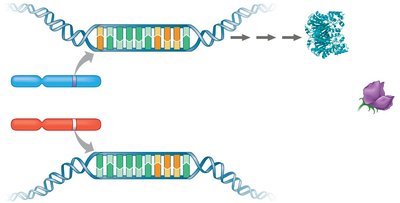
If two alleles at a locus differ, the dominant allele determines the phenotype, while the recessive allele is masked.
Key Point 1: Dominant alleles are expressed in the phenotype; recessive alleles are not.
Key Point 2: Heterozygotes display the dominant trait.
Phenotype vs. Genotype
The phenotype is the observable trait, while the genotype is the genetic makeup. Homozygous and heterozygous genotypes can produce the same phenotype.
Key Point 1: Homozygous: two identical alleles; heterozygous: two different alleles.
Key Point 2: Testcrosses can determine the genotype of individuals with dominant phenotypes.
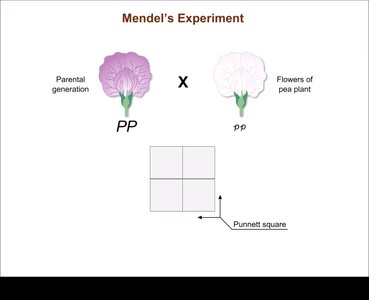
Example: Both PP and Pp genotypes produce purple flowers.
Mendel’s Second Law: Law of Independent Assortment
The law of independent assortment states that alleles of different genes segregate independently during gamete formation. This law applies to genes on different chromosomes or those far apart on the same chromosome.
Key Point 1: Dihybrid crosses reveal independent assortment.
Key Point 2: Phenotypic ratio for dihybrid cross is 9:3:3:1.
Example: Seed color and shape are inherited independently.
Probability in Genetics
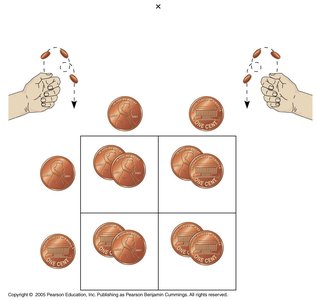
Mendelian inheritance follows the rules of probability. The multiplication rule calculates the probability of independent events occurring together, while the addition rule calculates the probability of mutually exclusive events.
Key Point 1: Probability of genotype combinations can be predicted using Punnett squares.
Key Point 2: Multiplication and addition rules are used for complex crosses.
Example: Probability of YYRR genotype in a dihybrid cross is .
Extensions of Mendelian Genetics
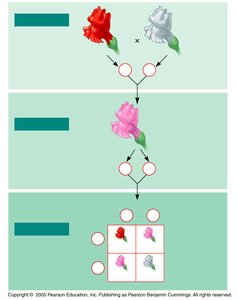
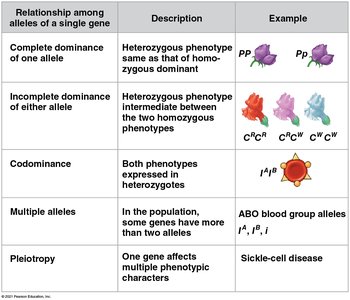
Inheritance patterns may deviate from simple Mendelian rules in several ways: incomplete dominance, codominance, multiple alleles, and pleiotropy.
Key Point 1: Incomplete dominance: heterozygote phenotype is intermediate.
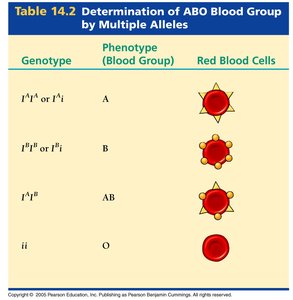
Key Point 2: Codominance: both alleles are fully expressed.
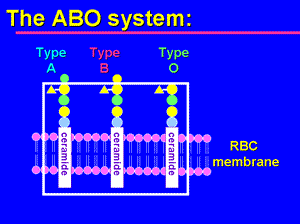
Key Point 3: Multiple alleles: more than two alleles exist for a gene.
Key Point 4: Pleiotropy: one gene affects multiple traits.
Example: ABO blood group system and sickle-cell disease.
Epistasis and Polygenic Inheritance
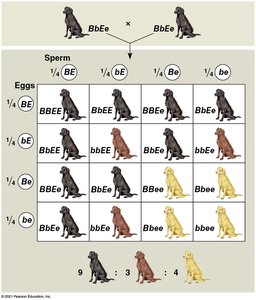
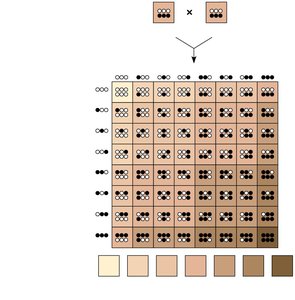
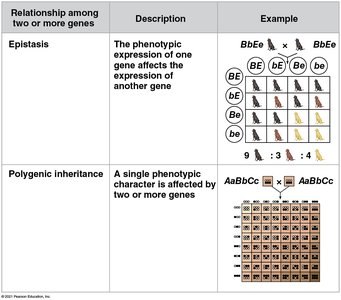
Epistasis occurs when one gene affects the expression of another gene. Polygenic inheritance involves multiple genes contributing to a single phenotype, often resulting in continuous variation.
Key Point 1: Epistasis modifies expected Mendelian ratios.
Key Point 2: Polygenic traits show a range of phenotypes.
Example: Labrador retriever coat color and human skin color.
Environmental Impact on Phenotype
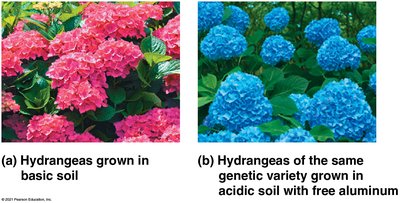
The environment can influence the expression of genetic traits, resulting in a range of phenotypes for a given genotype. This range is called the norm of reaction.
Key Point 1: Multifactorial traits are influenced by both genetic and environmental factors.
Example: Hydrangea flower color varies with soil acidity.
Pedigree Analysis and Human Genetics
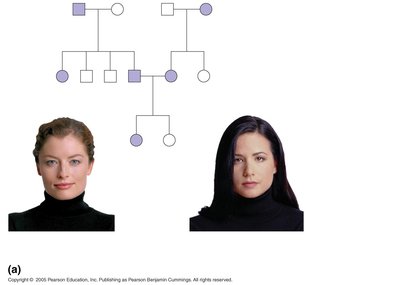
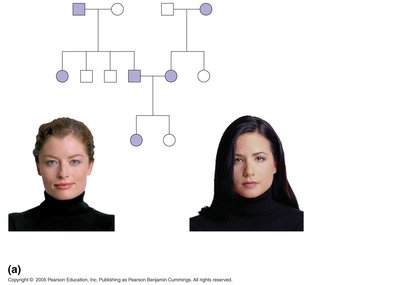
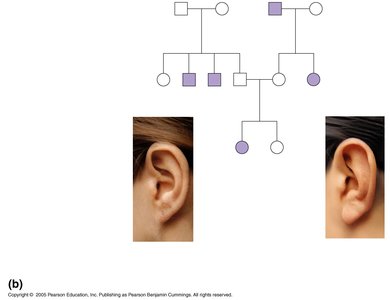
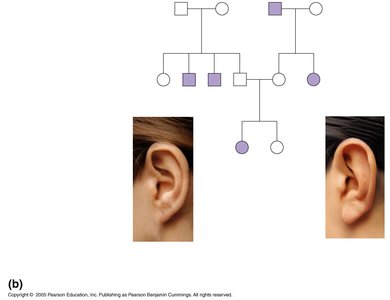
Pedigrees are used to study inheritance patterns in humans, especially for traits and disorders.
Key Point 1: Pedigrees track traits across generations.
Key Point 2: Multiplication and addition rules predict probabilities of phenotypes.
Example: Widow’s peak and attached earlobe traits.
Recessively and Dominantly Inherited Disorders
Many genetic disorders are inherited in a recessive manner, requiring two copies of the allele for expression. Dominant disorders require only one copy.
Key Point 1: Recessive disorders: cystic fibrosis, sickle-cell disease, albinism.
Key Point 2: Dominant disorders: achondroplasia, Huntington’s disease.
Key Point 3: Multifactorial disorders involve both genetic and environmental factors.
Disorder | Inheritance | Example |
|---|---|---|
Cystic Fibrosis | Recessive | Defective chloride channels |
Sickle-Cell Disease | Recessive (codominant at molecular level) | Abnormal hemoglobin |
Achondroplasia | Dominant | Dwarfism |
Huntington’s Disease | Dominant | Degenerative nervous system |
Summary Table: Relationships Among Alleles
Relationship | Description | Example |
|---|---|---|
Complete dominance | Heterozygous phenotype same as homozygous dominant | PP, Pp (purple flowers) |
Incomplete dominance | Heterozygous phenotype intermediate | CRCW (pink snapdragons) |
Codominance | Both phenotypes expressed in heterozygotes | IAIB (AB blood group) |
Multiple alleles | More than two alleles in population | IA, IB, i (ABO blood group) |
Pleiotropy | One gene affects multiple traits | Sickle-cell disease |
Summary Table: Relationships Among Two or More Genes
Relationship | Description | Example |
|---|---|---|
Epistasis | One gene affects expression of another | BbEe x BbEe (Labrador coat color) |
Polygenic inheritance | Multiple genes affect one trait | AaBbCc x AaBbCc (skin color) |
