 Back
BackMendelian Genetics and Chromosomal Basis of Inheritance
Study Guide - Smart Notes
 Tailored notes based on your materials, expanded with key definitions, examples, and context.
Mendelian Genetics and Chromosomal Basis of Inheritance
Pedigree Analysis and Mendelian Patterns in Human Inheritance
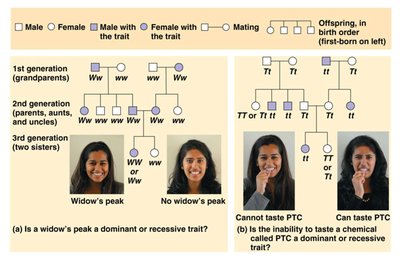
Pedigree analysis is a key tool in human genetics for tracing the inheritance of traits across generations. By mapping the distribution of phenotypic traits on a family tree, geneticists can infer patterns of inheritance and predict the likelihood of traits appearing in future generations.
Pedigree: A diagram that shows the occurrence and appearance of phenotypes of a particular gene or organism and its ancestors from one generation to the next.
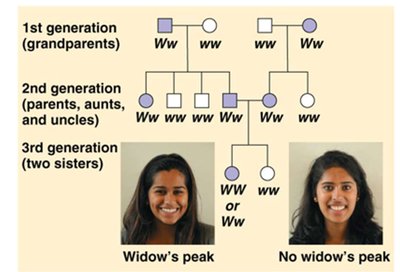
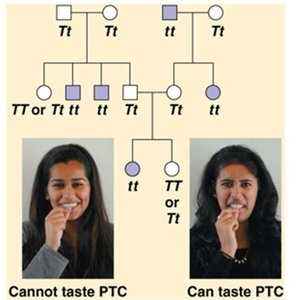
Application: Used to determine whether a trait is dominant or recessive and to predict the probability of offspring inheriting a trait.
Symbols: Squares represent males, circles represent females, shaded symbols indicate affected individuals.
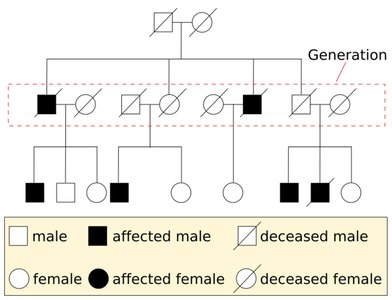
Dominant and Recessive Inheritance
Traits can be inherited in a dominant or recessive manner. Dominant traits require only one allele to be expressed, while recessive traits require two copies of the allele.
Dominant Inheritance: Only one copy of the allele is needed for the trait to be expressed.
Recessive Inheritance: Two copies of the allele are needed for the trait to be expressed.
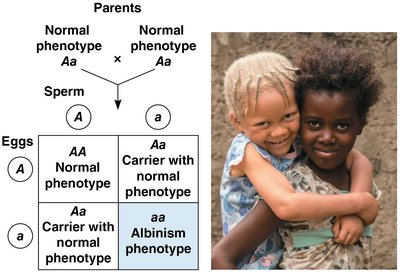
Carriers: Individuals who are heterozygous for a recessive trait (one normal and one mutant allele) but do not express the trait.
Probability in Genetics: Multiplication and Addition Rules
Geneticists use probability rules to predict the likelihood of specific genotypes and phenotypes in offspring. The multiplication rule is used for independent events, while the addition rule is used for mutually exclusive events.
Multiplication Rule: The probability of two independent events occurring together is the product of their individual probabilities.
Addition Rule: The probability of either of two mutually exclusive events occurring is the sum of their individual probabilities.
Human Genetic Disorders: Recessive and Dominant Inheritance
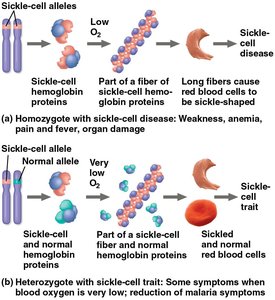
Many human disorders follow Mendelian patterns of inheritance. Recessively inherited disorders only appear in individuals who are homozygous for the allele, while dominant disorders can appear in heterozygotes.
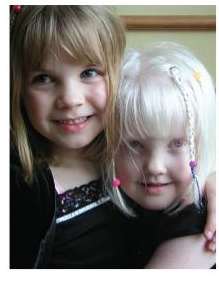
Recessive Disorders: Examples include albinism and cystic fibrosis. Carriers are phenotypically normal but can pass the allele to offspring.
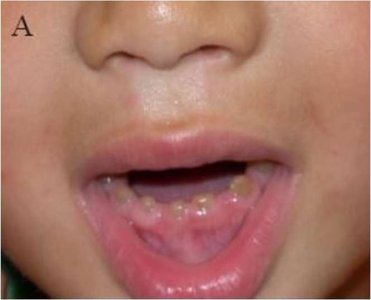
Dominant Disorders: Examples include achondroplasia (a form of dwarfism) and dentinogenesis imperfecta (affecting teeth development). These are often rare and may arise by mutation.
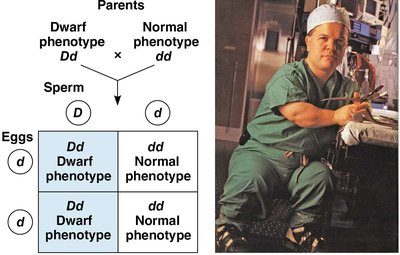
Mendelian Inheritance Patterns
Mendelian inheritance includes autosomal dominant, autosomal recessive, X-linked dominant, X-linked recessive, and Y-linked traits. The location of the gene (autosome or sex chromosome) determines the inheritance pattern.
Autosomal Traits: Genes located on non-sex chromosomes (autosomes).
X-linked Traits: Genes located on the X chromosome; males are hemizygous for X-linked genes.
Y-linked Traits: Genes located on the Y chromosome; only males inherit these traits.
Inheritance of X-Linked Genes
X-linked genes follow specific inheritance patterns. For a recessive X-linked trait to be expressed, females need two copies of the allele, while males need only one (since they have only one X chromosome).
Hemizygous: Males have only one allele for X-linked genes.
Example: Hemophilia is an X-linked recessive disorder.
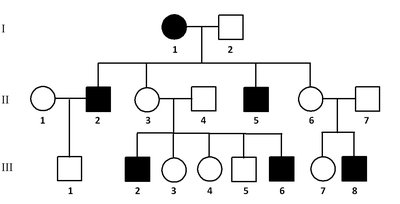
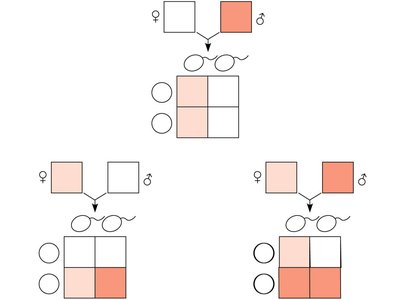
X Inactivation in Female Mammals
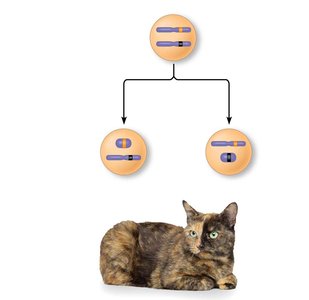
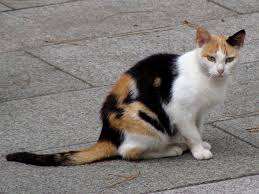
In female mammals, one of the two X chromosomes in each cell is randomly inactivated during embryonic development, resulting in a mosaic phenotype for X-linked genes. The inactive X chromosome forms a Barr body.
Mosaicism: Heterozygous females for X-linked genes can show mosaic expression, as seen in tortoiseshell cats.
Barr Body: The inactivated X chromosome visible in the nucleus.
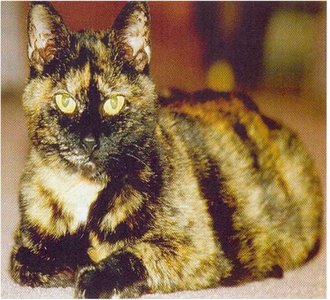
Chromosome Theory of Inheritance
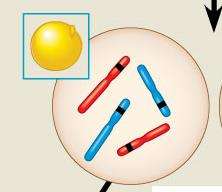
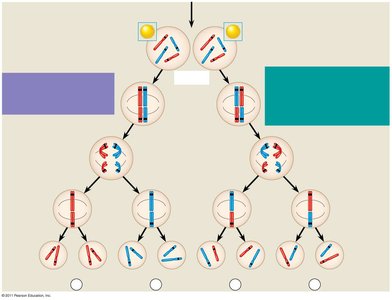
The chromosome theory of inheritance states that genes are located on chromosomes, and the behavior of chromosomes during meiosis accounts for inheritance patterns. This theory links Mendel's laws to the physical movement of chromosomes.
Law of Segregation: The two alleles for each gene separate during gamete formation.
Law of Independent Assortment: Alleles of genes on nonhomologous chromosomes assort independently during gamete formation.
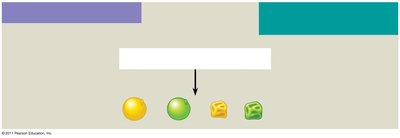
Summary Table: Mendelian Inheritance Patterns
Pattern | Chromosome Location | Example Trait | Key Features |
|---|---|---|---|
Autosomal Dominant | Autosome | Achondroplasia | Trait appears in every generation; affected individuals have at least one affected parent |
Autosomal Recessive | Autosome | Albinism | Trait can skip generations; affected individuals often have unaffected carrier parents |
X-linked Recessive | X chromosome | Hemophilia | More common in males; females are carriers |
X-linked Dominant | X chromosome | Rett syndrome | Affected fathers pass trait to all daughters, not sons |
Y-linked | Y chromosome | SRY gene (sex determination) | Only males affected; passed from father to son |
Key Laws of Mendelian Genetics
Law of Segregation: Each individual has two alleles for each gene, which segregate during gamete formation so that each gamete carries only one allele for each gene.
Law of Independent Assortment: Genes for different traits can segregate independently during the formation of gametes.
Example Equation:
Probability of two independent events both occurring:
Probability of either of two mutually exclusive events occurring:
