 Back
Metabolism and Enzyme Function: Study Notes for General Biology
Study Guide - Smart Notes
 Tailored notes based on your materials, expanded with key definitions, examples, and context.
An Introduction to Metabolism
Overview of Metabolism
Metabolism encompasses all chemical reactions occurring within an organism, enabling life processes such as growth, reproduction, and maintenance. These reactions are organized into metabolic pathways, where each step is catalyzed by a specific enzyme. - Metabolism: The sum total of an organism’s chemical reactions. - Metabolic Pathways: Series of chemical reactions modifying a molecule into a product. - Enzymes: Biological catalysts that speed up reactions without being consumed. 
Catabolic and Anabolic Pathways
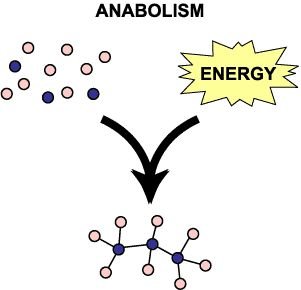
Metabolic pathways are classified as catabolic or anabolic, depending on whether they release or consume energy. - Catabolic Pathways: Break down complex molecules into simpler compounds, releasing energy. Example: Cellular respiration. - Anabolic Pathways: Build complex molecules from simpler ones, consuming energy. Example: Protein synthesis from amino acids. - Bioenergetics: Study of energy flow in living organisms. 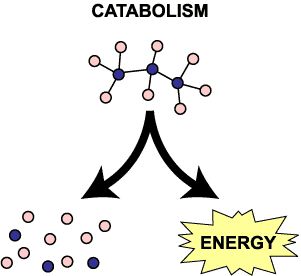
Energy and Thermodynamics
Forms of Energy
Energy is the capacity to cause change and exists in various forms. - Kinetic Energy: Energy of motion. - Heat: Kinetic energy from random movement of atoms/molecules. - Potential Energy: Energy due to position or structure. - Chemical Energy: Potential energy stored in chemical bonds.
Energy Conversion
Energy can be transformed from one form to another, such as chemical energy to kinetic energy during muscle movement.
Thermodynamics in Biology
Thermodynamics studies energy transformations. Organisms are open systems, exchanging matter and energy with their surroundings. - First Law of Thermodynamics: Energy cannot be created or destroyed, only transformed (principle of conservation of energy). - Second Law of Thermodynamics: Every energy transfer increases the entropy (disorder) of the universe. 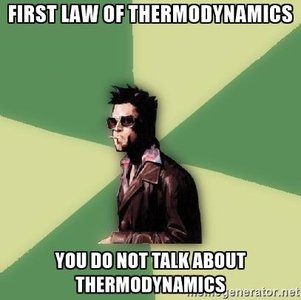
Free Energy and Spontaneous Processes
Gibbs Free Energy
Free energy (G) is the portion of a system’s energy available to do work at constant temperature and pressure. The change in free energy () determines whether a reaction is spontaneous. - Equation: - : Change in enthalpy (total energy) - : Change in entropy - : Absolute temperature (K) 
Spontaneous vs. Non-Spontaneous Reactions
- Spontaneous: ; reaction occurs without energy input, increases entropy. - Non-Spontaneous: ; requires energy input.
Equilibrium
At equilibrium, the rates of forward and reverse reactions are equal, and . Living cells avoid equilibrium to maintain metabolism.
Exergonic and Endergonic Reactions
Exergonic Reactions
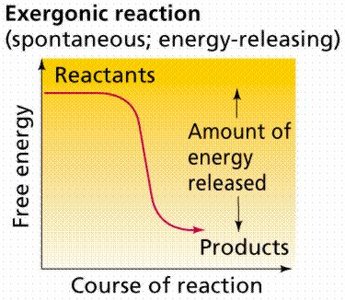
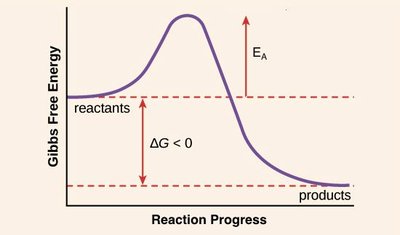
Exergonic reactions release energy and are spontaneous (). Example: Cellular respiration ( kcal/mol). 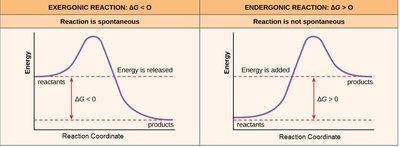
Endergonic Reactions
Endergonic reactions absorb energy and are non-spontaneous (). Example: Photosynthesis ( kcal/mol). 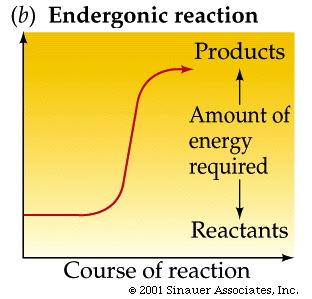
ATP and Cellular Work
Types of Cellular Work
Cells perform three main types of work: - Chemical Work: Synthesis of molecules (e.g., polymers from monomers). - Transport Work: Pumping substances across membranes. - Mechanical Work: Movement (e.g., muscle contraction, cilia movement).
ATP Structure and Function
ATP (adenosine triphosphate) is the cell’s energy currency, composed of ribose, adenine, and three phosphate groups. Energy is stored in the bonds between the second and third phosphates. 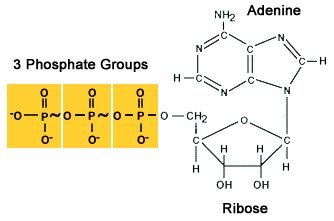
ATP Cycle
- Hydrolysis: ATP is converted to ADP by breaking off the third phosphate, releasing energy ( kcal/mol). - Regeneration: ATP is regenerated from ADP using energy from exergonic reactions.
Enzymes and Catalysis
Enzyme Function
Enzymes are protein macromolecules that act as catalysts, speeding up reactions by lowering activation energy. They are not consumed in the reaction.
Activation Energy
Activation energy is the initial energy required to start a reaction. Enzymes lower this barrier, allowing reactions to proceed faster. - Transition State: Unstable condition at the peak of activation energy. 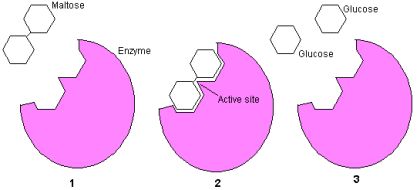
Enzyme-Substrate Complex
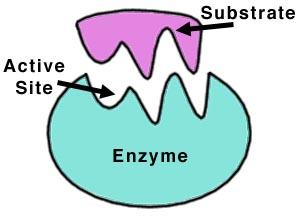
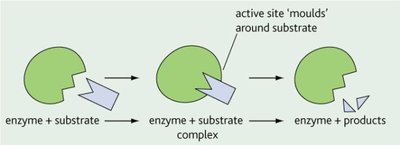
The substrate is the reactant that the enzyme acts upon. When bound, they form the enzyme-substrate complex. The active site is the region of the enzyme that binds the substrate, often fitting like a "hand and glove" (induced fit model). 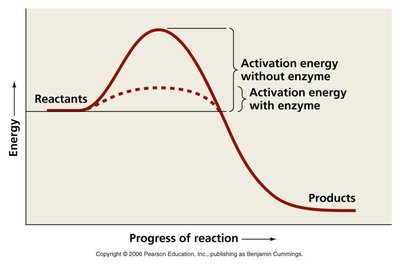
Enzyme Mechanisms
Enzymes lower activation energy by: - Orienting substrates correctly - Stretching substrate bonds toward transition state - Creating favorable microenvironments
Substrate Concentration and Enzyme Saturation
- Increasing substrate concentration increases reaction rate until all active sites are occupied (enzyme saturation). - Productivity can only increase by adding more enzyme. 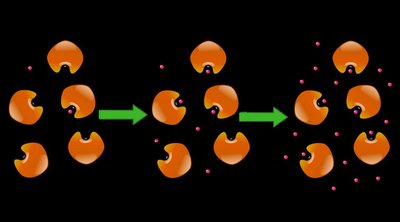
Environmental Effects on Enzymes
Enzyme activity is affected by temperature and pH. - Optimal Temperature: Each enzyme has a temperature at which it functions best. - Optimal pH: Most enzymes function best at pH 6-8, but some (e.g., stomach enzymes) have different optima. 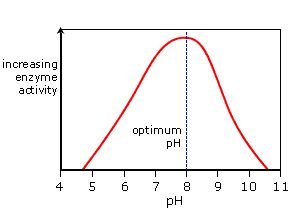
Cofactors and Coenzymes
Some enzymes require non-protein helpers: - Cofactors: Inorganic (e.g., zinc, iron, copper) or organic (coenzymes, made from vitamins). 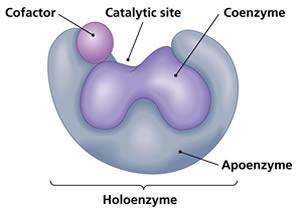
Enzyme Inhibition
- Competitive Inhibitors: Compete for active site, resemble substrate. - Noncompetitive Inhibitors: Bind elsewhere, change enzyme shape, reduce effectiveness. - Regulation: Inhibitors regulate metabolic pathways, acting as off-switches.
Enzymatic Diversity
Enzymes are proteins; changes in amino acid sequence can alter substrate specificity and function. 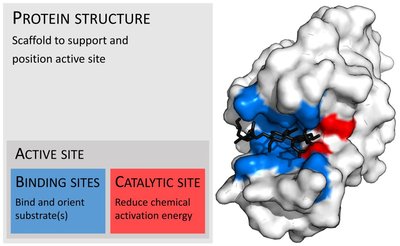
Enzyme Regulation
Allosteric Regulation
Allosteric regulation involves binding of regulatory molecules to sites other than the active site, affecting enzyme activity. - Activator: Stabilizes active form. - Inhibitor: Stabilizes inactive form. - Cooperativity: Binding of one substrate increases affinity for others (e.g., hemoglobin). 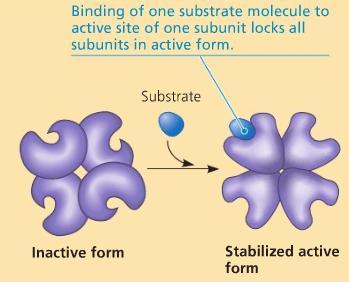
Feedback Inhibition
Feedback inhibition is a metabolic control mechanism where the end product of a pathway inhibits an early step, preventing overproduction and resource waste. 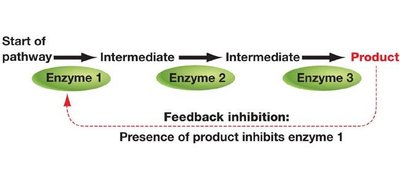
Enzyme Localization
Cellular compartmentalization organizes metabolic pathways. Enzymes may be localized within organelles or assembled into multi-enzyme complexes, facilitating efficient substrate transfer. 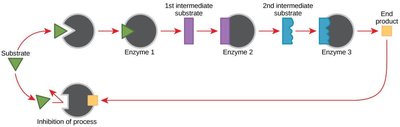
Additional info: Academic context was added to clarify definitions, mechanisms, and examples for each topic, ensuring completeness and self-contained study notes.
